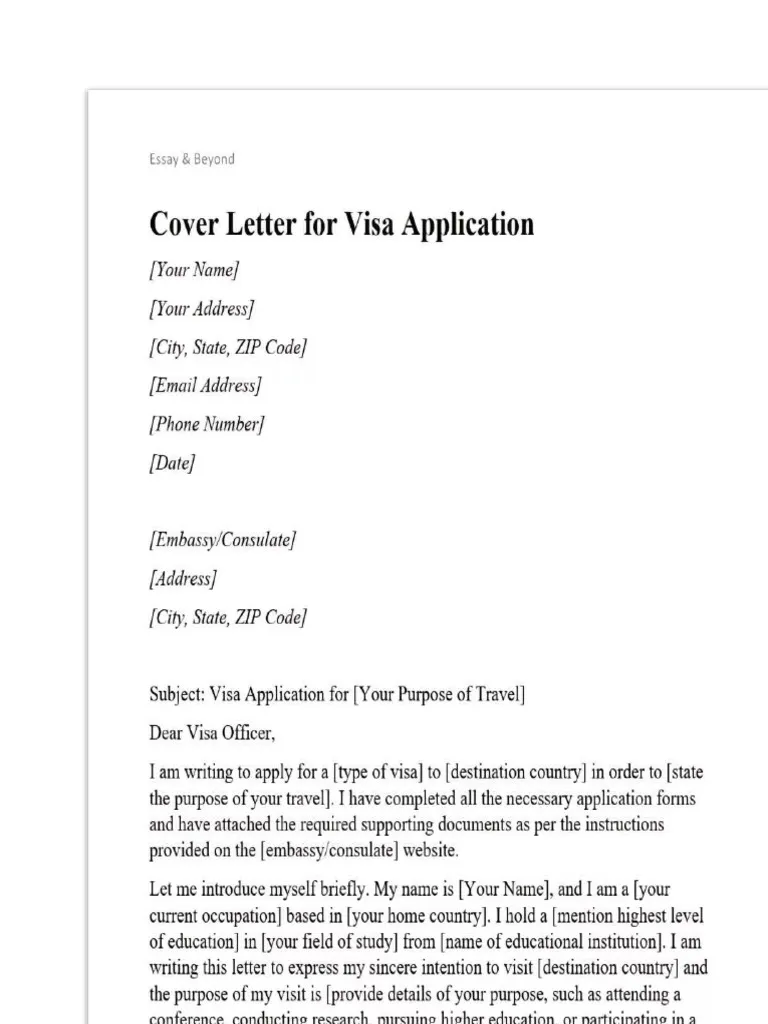
Understanding the US Visa Cover Letter
A US visa cover letter is a crucial document that accompanies your visa application. It serves as your personal introduction to the consular officer, providing context and details that supplement the information in your application form. Think of it as your opportunity to present your case persuasively, explaining why you are eligible for a visa and why you intend to return to your home country after your visit. A well-crafted cover letter can significantly increase your chances of visa approval by addressing potential concerns and providing a clear and concise overview of your travel plans. This guide will help you understand the essential components and best practices for writing a compelling US visa cover letter.
The Importance of a Strong Cover Letter
The cover letter is more than just a formality; it’s a vital component of your visa application. It allows you to personalize your application, demonstrating your genuine intentions and providing a more in-depth explanation of your circumstances. In a stack of applications, a well-written cover letter can make your application stand out. It gives the consular officer a better understanding of your background, purpose of travel, and ties to your home country. A strong letter can also help address any potential red flags or concerns the officer might have, such as past visa denials or financial instability. By presenting a clear, honest, and well-organized case, you increase your chances of a positive outcome.
Essential Elements for a US Visa Cover Letter

A comprehensive US visa cover letter should include several key elements to provide the consular officer with a complete picture of your situation. Each section plays a specific role in demonstrating your eligibility for the visa and your commitment to returning to your home country. Ensure you cover all relevant aspects thoroughly and truthfully. Omitting important details or providing misleading information can lead to visa denial, so be as detailed as possible.
Applicant’s Personal Information
Start by clearly stating your full name, date of birth, place of birth, and nationality. This information helps the consular officer quickly identify your application. Include your current address, phone number, and email address to ensure they can contact you if needed. It’s important to match the information provided in your application form and other supporting documents. Any discrepancies can raise suspicion, so double-check for accuracy.
Purpose of the Trip
Clearly state the purpose of your trip to the United States. Be specific about the reason for your visit, whether it’s tourism, business, education, or visiting family. Explain the activities you plan to undertake during your stay. For example, if you are traveling for tourism, specify the places you intend to visit and the estimated duration of your stay. If you are traveling for business, provide details about the meetings, conferences, or other business-related activities you will participate in. The more specific you are, the better the consular officer can understand your intentions.
Travel Itinerary

Provide a detailed travel itinerary, including the dates of your arrival and departure, the cities you plan to visit, and the accommodation you will be staying in. If you have booked flights and hotels, include the booking confirmations as supporting documents. A well-defined itinerary shows that you have carefully planned your trip and have a clear understanding of your travel schedule. Be precise and consistent with the dates and locations you provide.
Financial Stability
Demonstrate that you have sufficient financial resources to cover your expenses during your stay in the United States. Include details about your income, savings, and any financial support you will be receiving. If someone is sponsoring your trip, provide a sponsorship letter and supporting documents, such as bank statements and proof of income from the sponsor. Financial stability is a key factor in determining whether you are likely to overstay your visa, so providing clear evidence of your financial capacity is crucial.
Ties to Home Country
Convince the consular officer that you have strong ties to your home country and that you intend to return after your visit. Provide evidence of your employment, property ownership, family responsibilities, and other commitments that tie you to your country. If you own a house or have a job, include relevant documents, such as property deeds or employment contracts. If you have family members who depend on you, mention them and provide supporting documentation, such as marriage certificates or birth certificates. The stronger your ties, the less likely you are to be seen as a potential overstayer.
Supporting Documents for US Visa

Your cover letter should list all supporting documents you are including with your application. This ensures that the consular officer can easily locate and review all the necessary information. Organize your documents logically and clearly, and make sure to include copies of everything, as the original documents might be needed during the interview. Accurate and complete documentation can greatly strengthen your application.
Passport and Visa Information
Include your passport number, the date of issue, and the date of expiry. If you have previously held a US visa, provide the visa number and the dates of previous visits. This information helps the consular officer quickly verify your identity and travel history. Always ensure your passport is valid for at least six months beyond your intended stay in the United States.
Travel History
If you have a history of international travel, list the countries you have visited, along with the dates of your visits. This demonstrates your travel experience and can help show that you are a responsible traveler. Previous travel to countries with strong visa requirements, such as the Schengen area or the UK, can also strengthen your application by showing your compliance with immigration laws.
Employment Details

Provide details about your current employment, including your job title, the name and address of your employer, and your annual salary. If you are self-employed, provide a business registration certificate, bank statements, and tax returns. Include a letter from your employer confirming your employment, leave of absence, and intention to return to your job after your trip. This information provides evidence of your stability and ties to your home country.
Family Information
Include the names and relationships of your immediate family members, such as your spouse, children, and parents. If they are not traveling with you, mention where they reside and their reasons for not accompanying you. If you have family members who are US citizens or legal residents, mention this fact as well. Family ties often demonstrate strong reasons to return to your home country.
Addressing Potential Concerns
It’s essential to address any potential concerns the consular officer might have about your application. Be transparent and honest about your situation, providing explanations and supporting evidence to alleviate any doubts. Transparency is vital in building trust and increasing your chances of visa approval. Addressing potential issues proactively demonstrates your honesty and willingness to cooperate.
Previous Visa Denials

If you have been previously denied a US visa, provide the details of the denial, including the date and reason for the denial. Explain the circumstances that led to the denial and any steps you have taken to address the issues. Honesty is crucial, as attempting to hide a previous denial can lead to serious consequences, including a ban from entering the United States. Provide any additional information that supports your new application and demonstrates that the reasons for the previous denial no longer apply.
Criminal History
If you have a criminal record, be upfront about it. Provide details of any arrests, convictions, or pending charges. Include information about the nature of the offense, the sentence you received, and any rehabilitation efforts you have undertaken. Include any official documents, such as court records or police reports, to support your claims. While a criminal record can complicate your application, being honest and providing evidence of rehabilitation can help mitigate the impact.
Health Issues
If you have any health issues that may be relevant to your visa application, provide a brief explanation. This includes any serious medical conditions that may require treatment in the United States. Include a doctor’s note or medical records to support your claims. Be sure to mention any necessary medical care you may require. Also, provide proof that you have the financial resources to cover your medical expenses. This shows you are responsible and prepared for any unexpected medical situations that might arise during your trip.
Writing a Professional Cover Letter

A well-written cover letter is clear, concise, and professional. It should be free of errors and follow a logical structure. The tone should be formal and respectful. Proper grammar and formatting are essential for making a positive impression on the consular officer. Taking the time to craft a professional cover letter can significantly enhance your visa application and demonstrate your attention to detail.
Formatting and Structure
Use a standard business letter format. Include your contact information at the top, followed by the date, the consular officer’s name (if known), and the address of the US Embassy or Consulate. Use a clear and easy-to-read font, such as Times New Roman or Arial, with a font size of 12 points. Keep the letter concise, typically one to two pages in length. Divide the letter into logical paragraphs, each addressing a specific aspect of your application. Use headings and subheadings to organize the information and make it easy for the officer to follow.
Tone and Language
Maintain a formal and respectful tone throughout your cover letter. Use clear, concise language and avoid slang, jargon, or overly emotional expressions. Be polite and express your appreciation for the consular officer’s time and consideration. Avoid making demands or expressing negative feelings. Present your case confidently and truthfully. Double-check your grammar and spelling. The tone of the letter should be professional, demonstrating respect for the process and the consular officer.
Proofreading and Editing

Before submitting your cover letter, proofread it carefully for any errors in grammar, spelling, and punctuation. Have someone else review the letter to catch any mistakes you might have missed. Errors can create a negative impression and may lead to a denial. Ensure that all the information you have provided is accurate and consistent with the information in your application form and supporting documents. Thorough proofreading demonstrates your attention to detail and commitment to accuracy.
Common Mistakes to Avoid
Avoid common mistakes that can undermine your cover letter. Being aware of these pitfalls can help you create a stronger application. By avoiding these errors, you can increase your chances of a successful outcome and demonstrate your commitment to a truthful and accurate presentation.
Inaccurate Information
Provide accurate and truthful information. Do not include any false statements, exaggerations, or misleading information. Any inconsistencies between your cover letter and supporting documents, or your application form, can raise serious concerns and lead to a denial. Always double-check your facts and be consistent in all your responses. Accuracy is paramount, and any misrepresentation can have serious consequences.
Missing Information
Do not omit any required information or leave any sections of the cover letter blank. Make sure to address all the necessary elements, including your personal information, purpose of travel, travel itinerary, financial stability, and ties to your home country. Failure to include all the necessary details can make your application appear incomplete or poorly prepared. Ensure that you have addressed all the essential points to provide the consular officer with a complete picture of your application.
Poor Formatting and Grammar
Ensure your cover letter is well-formatted and free of grammatical errors and typos. Use a clear and easy-to-read font, with proper spacing and paragraph breaks. Proofread your letter carefully and consider having someone else review it before submitting it. Poor formatting and grammatical errors can detract from the overall impression of your application and may be perceived as a lack of attention to detail. A well-written and professionally formatted letter enhances your credibility.
Finalizing and Submitting the Cover Letter
Once you have completed your cover letter and are satisfied with its content, formatting, and accuracy, finalize it for submission. Ensure you follow all the guidelines provided by the US Embassy or Consulate. Careful attention to the final steps can significantly increase your chances of a successful visa application. Prepare your application meticulously to make the process seamless.
Reviewing and Printing
Before submitting the cover letter, review it one last time to ensure everything is correct and that no information is missing. Print a physical copy of the cover letter, as it needs to be submitted along with your visa application. Ensure that the printed version is clear and legible. Make sure to keep a copy of the cover letter and all supporting documents for your records.
Submitting with the Visa Application
Submit your cover letter along with your complete visa application, required documents, and passport. Follow the instructions provided by the US Embassy or Consulate regarding the submission process. Ensure that you have included all the necessary documents and that they are organized and easy to review. Proper and complete submission is critical to the success of your application. By carefully following these guidelines, you increase your chances of a successful visa application and a positive outcome.