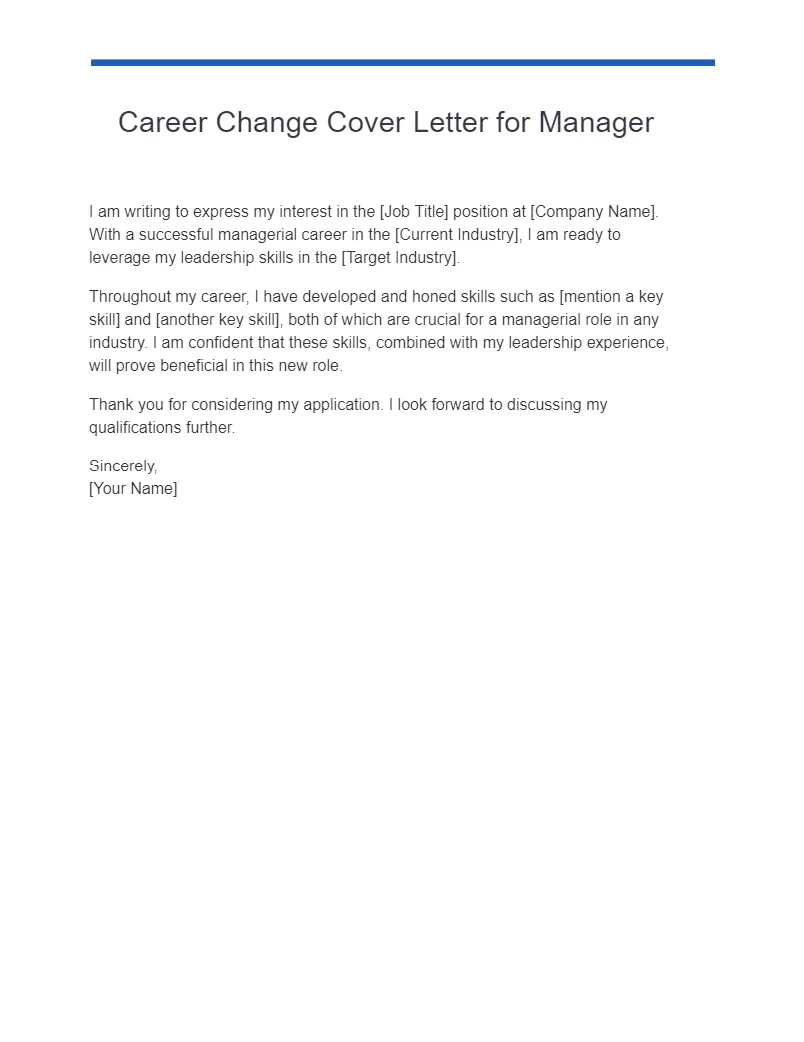
Understanding Transition Cover Letters
A transition cover letter is a critical document for individuals seeking to change careers. Unlike a standard cover letter that reinforces experience within a specific field, a transition cover letter must address the career shift directly. It serves as a bridge, connecting your past experiences and skills to the requirements of your desired new role. It should not only highlight your transferable skills but also explain your motivation for the career change, demonstrating your understanding of the new industry and your commitment to succeeding in it. A well-crafted transition cover letter acknowledges the shift while also clearly articulating the value you bring to the table.
Why a Transition Cover Letter is Crucial
Transition cover letters are crucial because they proactively address the elephant in the room: your career change. They offer the hiring manager a clear explanation of why you’re pivoting careers and how your skills remain relevant. This allows you to control the narrative, showcasing your foresight and strategic thinking. Without a targeted transition cover letter, your application might be dismissed prematurely. This document provides the opportunity to convince the hiring manager that you are a suitable candidate and that your background complements the new role, providing the confidence to move forward in the selection process.
Highlighting Transferable Skills

The key to a successful transition cover letter is identifying and highlighting your transferable skills. These are the skills you’ve acquired in your previous roles that are also valuable in your target career. Examples include communication, problem-solving, project management, leadership, and analytical abilities. Review the job description carefully and identify the skills the employer values most. Then, provide concrete examples of how you’ve used these skills in past roles to achieve positive results. The goal is to make a clear connection between your past experiences and the requirements of your new desired role, making you a compelling candidate.
Researching the Target Industry and Company
Before writing your transition cover letter, thorough research is essential. Demonstrate to the hiring manager that you understand the industry and the company you’re applying to. This involves reading industry publications, following company news, and reviewing their social media presence. Showing you’ve researched the company’s values, mission, and recent projects indicates genuine interest and a commitment to the role. Integrate your findings into your cover letter to show how your skills and experience align with their specific needs and goals. This will help to customize your letter, showing that you have taken the time to understand their needs.
Crafting a Compelling Narrative
Opening the Cover Letter

Your opening paragraph is your chance to grab the hiring manager’s attention. Avoid generic phrases. Instead, begin with a strong statement that highlights your enthusiasm for the role or the company. Consider starting with a brief anecdote or a specific achievement that showcases a relevant skill. You can also express your admiration for the company or the industry. Immediately state your interest in the position and succinctly explain your career transition. This initial section should immediately establish your value proposition and capture the reader’s attention.
Showcasing Your Value Proposition
In the body of your cover letter, clearly outline your value proposition. Explain how your skills and experiences align with the job requirements. This is where you highlight your transferable skills and provide concrete examples of your achievements. Quantify your accomplishments whenever possible. For instance, instead of saying, ‘Managed projects,’ state, ‘Managed projects, resulting in a 15% reduction in costs.’ Connect your skills to the company’s specific needs, showing how you can contribute to their success. Focus on what you can bring to the table, emphasizing your skills and how you can solve the company’s challenges.
Addressing Career Transition
Be honest and confident about your career transition. Briefly explain your reasons for the change. Focus on your goals and aspirations, rather than dwelling on your past roles. Frame your career change in a positive light, highlighting your initiative, adaptability, and desire for professional growth. Avoid negative language or any criticism of previous employers or industries. Show the hiring manager that your career change is a strategic move, driven by a genuine interest in the new field and a clear understanding of your professional goals. This demonstrates self-awareness and a proactive approach to career development.
Highlighting Your Achievements and Skills

Use the STAR method (Situation, Task, Action, Result) to describe your accomplishments. Briefly set the context (situation), explain the task you were assigned, describe the actions you took, and quantify the results. This helps the reader easily understand the impact of your work. Choose achievements that are relevant to the new role. If possible, tailor your achievements to match the language and requirements of the job description. Provide specific examples that demonstrate your capabilities, showcasing that you have the skills that would be a valuable asset to the company. It’s about proving you can get the job done.
Closing Your Cover Letter
Your closing should reiterate your enthusiasm for the role and the company. Thank the hiring manager for their time and consideration. Restate your interest in an interview and include a call to action. This could be to encourage them to review your resume or to contact you to schedule an interview. Make sure your contact information is easy to find. A strong conclusion leaves a lasting impression and encourages the hiring manager to take the next step. Professional and confident closing is the final element to give them an opportunity to take action.
Formatting and Design Tips
Font Selection and Readability
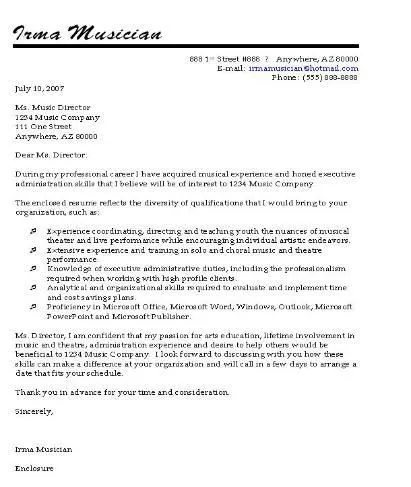
Choose a professional and easy-to-read font, such as Arial, Times New Roman, or Calibri. Ensure the font size is between 10 and 12 points for readability. Avoid using unusual or decorative fonts, which can distract the reader. Use appropriate spacing and margins to create a clean and organized look. This will make the cover letter easier to read and digest. The font selection and readability are a key factor, because it plays a great role on the hiring manager decision, it shows your professionalism and attention to detail, which is important for the role you are aiming for.
Cover Letter Length and Structure
Keep your cover letter concise and focused. Aim for one page, unless specifically requested otherwise. Use a clear structure, with a compelling opening, body paragraphs highlighting your skills and experiences, and a strong closing. Divide your letter into logical sections with clear headings and subheadings to improve readability. Use bullet points to break up large blocks of text and highlight key accomplishments. A well-structured cover letter will demonstrate your communication skills and attention to detail, which is crucial for a successful career transition.
Proofreading and Editing
Thoroughly proofread your cover letter for any grammatical errors, typos, or spelling mistakes. Errors can undermine your professionalism and credibility. Read your letter aloud to catch any awkward phrasing or sentence structure issues. Ask a friend or career counselor to review your cover letter and provide feedback. They can offer an objective perspective and identify any areas for improvement. Pay close attention to detail and revise as needed. The letter should be free of errors, reflecting your professionalism and commitment to excellence.
Examples of Successful Transition Cover Letters

Cover Letter Example One
A marketing professional transitioning to project management might highlight their experience in coordinating marketing campaigns as evidence of project management skills. They would emphasize their ability to manage deadlines, budgets, and cross-functional teams. Their cover letter would detail specific campaigns and quantify the results of each project. The letter would also demonstrate their understanding of project management methodologies and their eagerness to learn and apply those principles in their new role. It would be a good idea to mention a course or certification they have taken.
Cover Letter Example Two
A teacher transitioning to instructional design might emphasize their experience creating lesson plans and delivering presentations as evidence of their instructional design skills. They would highlight their ability to break down complex information into manageable segments. Their cover letter would discuss their passion for educational innovation and their desire to create effective and engaging learning materials. The letter would reflect their knowledge of learning theories and a commitment to professional development. It’s a good practice to provide evidence of their use of educational software.
Common Mistakes to Avoid
Generic Cover Letters
Avoid sending generic cover letters. Tailor each cover letter to the specific job and company. Use the job description to identify the key skills and qualifications the employer is seeking and then address them directly. Show that you have researched the company and understand its values, mission, and goals. This demonstrates that you’ve taken the time to understand their requirements and that you are genuinely interested in the role. Generic cover letters will quickly be discarded, because they don’t show that you care.
Focusing on the Past Instead of the Future
While highlighting your past experiences is important, don’t dwell on it. Spend more time focusing on your future potential and how your skills and experiences will benefit the new role. Emphasize your motivation for the career change and your commitment to succeeding in the new field. Show the hiring manager that you are forward-thinking and eager to contribute. A transition cover letter should be future-focused and provide the hiring manager with the reasons to hire you.
Ignoring the Job Description
Carefully read the job description. Use it as a guide for tailoring your cover letter. Identify the key skills and qualifications the employer is seeking and then address them directly in your cover letter. Demonstrate how your skills and experiences align with the job requirements, showing you have the qualifications for the position. Make sure to use keywords from the job description, but avoid keyword stuffing. The job description is your roadmap to showcasing your ability to meet and exceed the company expectations.
The Importance of Tailoring
Tailoring your cover letter is crucial for a successful career transition. Show that you’ve put in the effort to understand the company and the specific role. Avoid sending generic letters, which can signal a lack of interest or attention to detail. By customizing your cover letter, you demonstrate your enthusiasm and your understanding of how your skills and experiences align with the company’s needs. Tailoring also allows you to address any concerns the hiring manager might have about your career transition and showcase your potential. Tailoring is the secret to success for a transitioning career.