Understanding Cover Letter Skills
A cover letter is your first opportunity to make a positive impression on a potential employer. It’s a chance to showcase your personality, express your enthusiasm for the role, and, most importantly, highlight the skills that make you a strong candidate. While a resume provides a factual overview of your experience, the cover letter allows you to elaborate on those experiences, providing context and demonstrating how your skills align with the specific job requirements. Including the right skills in your cover letter can significantly increase your chances of getting an interview, so it’s crucial to understand which skills to emphasize and how to present them effectively. Remember, the goal is not just to list your skills but to demonstrate how you’ve applied them and the positive outcomes you’ve achieved.
Key Skills to Highlight
The skills you choose to highlight in your cover letter should be directly relevant to the job you’re applying for. This section outlines some of the most valuable skill categories that employers look for. Tailoring your cover letter to each specific job application is essential, and focusing on the skills that match the requirements of the position is the key to success. By emphasizing the skills that align with the employer’s needs, you can demonstrate that you are the right fit and significantly improve your chances of getting an interview.
Communication Skills

Effective communication is a cornerstone of almost every job. Employers want to hire individuals who can clearly and concisely convey their thoughts, ideas, and information. Showcasing your communication skills in your cover letter can set you apart from other candidates. This involves both written and verbal communication abilities, each playing a unique role in professional success. Demonstrate your ability to communicate effectively across different mediums to highlight your suitability for the role.
Written Communication
Your cover letter itself is an example of your written communication skills. Ensure your letter is well-written, free of grammatical errors, and structured logically. Consider including examples of your writing skills from previous roles or projects, such as reports, presentations, or emails you’ve drafted. The clarity and professionalism of your writing directly reflect your ability to communicate effectively in writing within a workplace setting. This skill is essential for tasks like composing emails, creating reports, and writing proposals.
Verbal Communication
Verbal communication is equally important. Mention any experience you have with presentations, public speaking, or leading meetings. You can highlight your ability to communicate effectively in face-to-face interactions, over the phone, or in virtual meetings. Providing examples of your ability to articulate ideas clearly, actively listen, and engage in effective dialogue can demonstrate your verbal communication skills. This is especially valuable for roles involving client interactions, team collaboration, or leadership responsibilities.
Interpersonal Skills

Interpersonal skills are the abilities that enable you to interact effectively with others. They are crucial for building relationships, working in teams, and navigating workplace dynamics. Demonstrating strong interpersonal skills in your cover letter shows employers that you can collaborate, communicate, and contribute positively to the work environment. These skills are highly valued by employers across all industries and can significantly impact your job success.
Teamwork and Collaboration
Teamwork and collaboration are essential for success in most workplaces. Highlight instances where you have worked effectively as part of a team, contributing to shared goals. Describe your role in team projects, how you resolved conflicts, and how you fostered a collaborative environment. Providing specific examples of how you worked with others, shared ideas, and achieved common goals demonstrates your teamwork and collaboration skills. This shows the employer you can contribute positively to the team, which is highly valued.
Adaptability
The ability to adapt to changing circumstances is a highly sought-after skill. Mention your ability to adjust to new situations, learn quickly, and remain flexible in the face of challenges. Provide examples of how you’ve successfully navigated changes in previous roles, such as adapting to new technologies, processes, or responsibilities. Adaptability shows you’re resilient and able to thrive in dynamic environments. This is especially important in today’s rapidly evolving work environments.
Problem-Solving Skills

Employers always seek individuals who can identify, analyze, and solve problems effectively. Demonstrate your problem-solving skills by providing specific examples of how you’ve identified issues, developed solutions, and implemented them successfully. These examples should highlight your critical thinking, analytical abilities, and your ability to approach challenges strategically. Show how you’ve turned challenges into opportunities or prevented problems.
Analytical Skills
Analytical skills are crucial for assessing information, identifying trends, and making informed decisions. Showcase your ability to analyze data, interpret information, and draw conclusions. Mention any experience you have with data analysis, research, or evaluating complex information. Provide examples of how you used analytical skills to solve problems or improve processes in previous roles. This helps demonstrate your ability to make data-driven decisions, which is highly valued by employers.
Critical Thinking
Critical thinking involves the ability to assess information objectively and form reasoned judgments. Highlight your ability to evaluate different perspectives, identify biases, and make sound decisions based on evidence. Share examples of when you used critical thinking to analyze situations, solve problems, or improve processes. Demonstrate your ability to think logically and make well-reasoned decisions.
Technical Skills

Technical skills are specific abilities that are essential for performing certain job duties. Depending on the role, these can include software proficiency, data analysis, or other specialized knowledge. Highlighting your technical skills can demonstrate your readiness to perform the required tasks. This should be tailored to match the job description, ensuring the most relevant skills are emphasized.
Software Proficiency
List the software programs or tools you are proficient in. Include relevant examples of how you’ve used these tools in your previous roles. Mention your skill level for each program. Tailor this section to include the specific software mentioned in the job description. This will show the employer that you possess the tools required to perform the job’s duties.
Data Analysis
If the job requires data analysis, mention your ability to analyze data, interpret results, and create reports. Provide examples of your experience with data analysis tools like Excel, SQL, or other specialized software. Describe how you have used data analysis to inform decision-making or improve processes. This shows your competence with handling and interpreting data.
Soft Skills to Mention
Soft skills are personal attributes that enable you to interact effectively and harmoniously with other people. They are essential for workplace success, as they foster collaboration, enhance communication, and contribute to a positive work environment. While technical skills are important, emphasizing soft skills can make you a well-rounded and appealing candidate. These skills are highly valued by employers across all industries, as they contribute to an organization’s culture and productivity.
Time Management
Time management is your ability to plan, prioritize, and execute tasks efficiently. Mention your ability to manage multiple projects, meet deadlines, and stay organized. Provide examples of how you’ve used time management techniques like task prioritization, scheduling, or setting goals to achieve results. Employers appreciate candidates who can efficiently manage their time and deliver results.
Organizational Skills
Strong organizational skills are vital for efficiency and productivity. Highlight your ability to manage tasks, maintain records, and keep things organized. Share examples of how you’ve organized projects, managed documents, or implemented systems to improve efficiency. This demonstrates your ability to manage multiple tasks and stay organized.
Leadership Skills

If you have leadership experience, highlight your ability to motivate, guide, and inspire others. Describe your experience in leading teams, managing projects, or providing guidance to colleagues. Provide examples of how you’ve used leadership skills to achieve team goals, resolve conflicts, or create a positive work environment. Show your ability to provide direction and support to team members.
Tailoring Skills to the Job
Customizing your cover letter to match the specific requirements of each job is critical. Generic cover letters are often overlooked. You must carefully review the job description, identify the key skills and qualifications the employer is seeking, and align your cover letter to reflect those requirements. The more specific and relevant your skills are to the employer’s needs, the better your chances of getting an interview.
Researching the Job Description
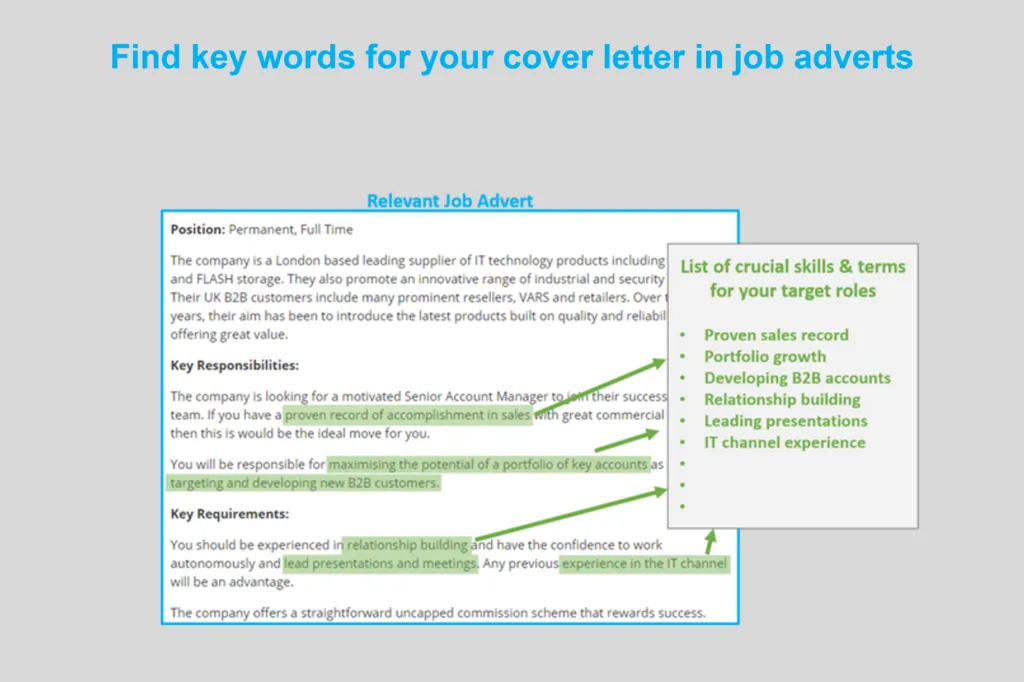
Thoroughly review the job description. Identify the skills, experience, and qualifications the employer is looking for. Note the keywords and phrases used to describe the ideal candidate. These keywords should inform your cover letter’s language and content. Understand what the employer is seeking to customize your cover letter accordingly.
Matching Skills and Requirements
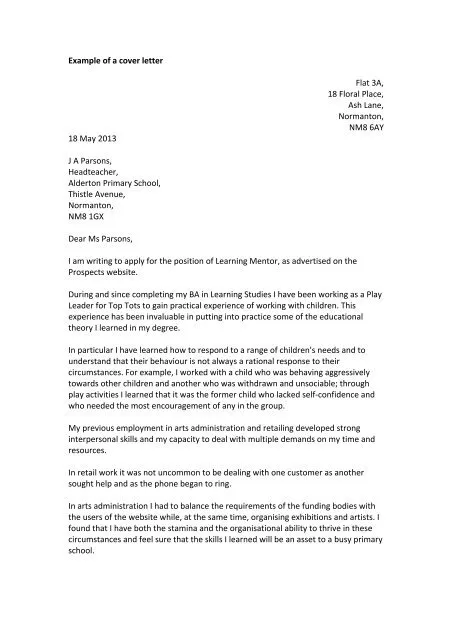
After researching the job description, match your skills and experience to the requirements. Identify specific examples where you have demonstrated the skills and qualifications the employer is seeking. Use the same keywords and phrases from the job description in your cover letter, but always provide context and show how you’ve applied these skills in your previous roles. Use real examples, not just a list of skills.
Final Thoughts
Crafting a cover letter that effectively highlights your skills is crucial for getting noticed by employers. By understanding the key skills to include, tailoring your letter to each job, and providing concrete examples of your accomplishments, you can significantly increase your chances of landing an interview and ultimately securing the job. Remember to proofread your cover letter carefully for any grammatical errors and ensure it is clear, concise, and reflects your enthusiasm for the opportunity. Highlighting your skills in a thoughtful and relevant way will allow you to make a strong first impression and set you apart from the competition.