Unveiling the Team Leader Cover Letter Secrets
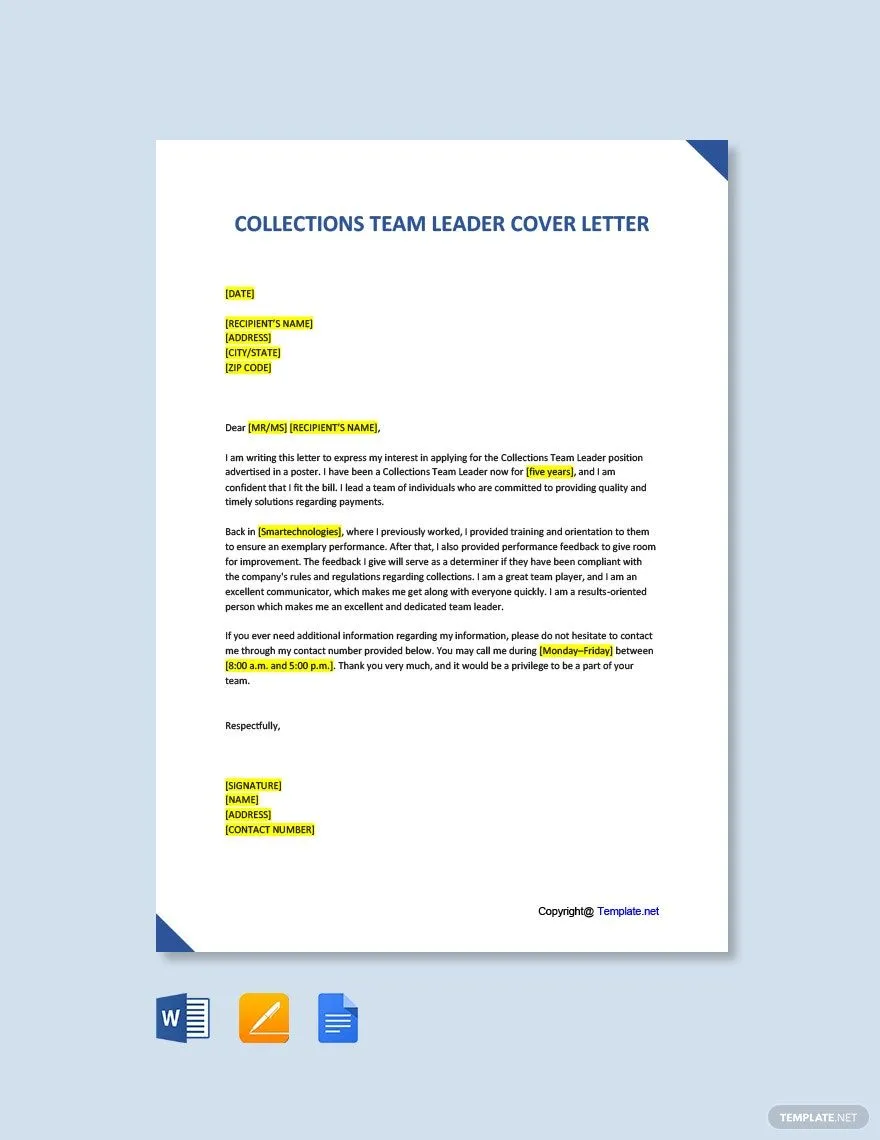
Crafting a compelling team leader cover letter is essential for landing your dream job. It’s your first chance to make a strong impression on the hiring manager and demonstrate why you’re the perfect fit for the role. Many candidates underestimate the power of a well-written cover letter, but it can significantly increase your chances of getting an interview. This article will reveal the secrets to writing a winning team leader cover letter that grabs attention and highlights your key skills and experience.
Understanding the Importance of a Team Leader Cover Letter
Why a Cover Letter Matters

A cover letter provides a platform to go beyond your resume. It allows you to tell your story, elaborate on your achievements, and showcase your personality. For a team leader position, a cover letter lets you demonstrate your leadership qualities, communication skills, and ability to motivate a team. It’s a way to connect with the hiring manager on a personal level and show why you’re passionate about the role and the company.
Key Components to Include in Your Cover Letter
A well-structured cover letter includes several key components that work together to create a compelling narrative. Each section serves a specific purpose in conveying your qualifications and enthusiasm for the position. Failing to include these could diminish the impact of your application.
Your Contact Information and the Date
Start your cover letter with your contact information, including your name, phone number, email address, and LinkedIn profile URL. Following this, include the date. This ensures the hiring manager can easily reach you and indicates when the letter was written. It is a standard practice but one that should not be overlooked.
Addressing the Hiring Manager

Always address the hiring manager by name if possible. Researching the company and finding the name of the hiring manager shows you’ve taken the initiative. If you can’t find a specific name, use a professional salutation such as “Dear Hiring Manager” or “Dear [Company Name] Team.” Avoid generic greetings like “To Whom It May Concern.”
Opening with Impact
Your opening paragraph should grab the reader’s attention. Briefly state the position you’re applying for and how you learned about it. Then, immediately highlight a key accomplishment or skill that aligns with the job requirements. This sets the tone for the rest of the letter and encourages the hiring manager to keep reading. Consider the job requirements and ensure your opening paragraph addresses those.
Highlighting Your Leadership Skills
Team leader positions require strong leadership abilities. In your cover letter, emphasize your leadership skills by providing examples of how you’ve motivated, mentored, and guided teams to achieve their goals. Use action verbs to describe your actions, such as “led,” “managed,” “motivated,” “delegated,” and “mentored.” Provide specific examples of how you’ve fostered a positive and productive team environment. Show, don’t just tell, the hiring manager about your leadership qualities.
Showcasing Relevant Experience

Detail your relevant work experience, focusing on the accomplishments and responsibilities most relevant to the team leader role. Explain your past roles, the types of teams you’ve led, and the industries you’ve worked in. Quantify your achievements whenever possible to demonstrate the impact you’ve made in previous roles.
Quantifying Your Achievements
Use numbers and data to quantify your achievements. Instead of saying “Improved team performance,” state “Increased team productivity by 20%” or “Reduced project completion time by 15%.” Quantifiable results demonstrate your impact and make your cover letter more compelling. This concrete data helps the hiring manager understand the value you bring to the table.
Demonstrating Teamwork and Collaboration
Team leaders must work well with others. Highlight your ability to collaborate effectively with team members, stakeholders, and other departments. Provide examples of successful team projects you’ve participated in and how you contributed to their success. Mention any experience you have with conflict resolution, communication, and building strong working relationships.
Expressing Enthusiasm for the Role

Show your genuine interest in the specific team leader role and the company. Explain why you’re excited about the opportunity and how your skills and experience align with the company’s values and goals. Research the company and tailor your letter to demonstrate your understanding of their mission, culture, and products/services. Show that you are not just looking for a job, but that you are specifically interested in this role and this company.
Closing with a Call to Action
Conclude your cover letter with a strong call to action. Express your interest in an interview and provide your contact information again. Thank the hiring manager for their time and consideration. Keep the closing professional and enthusiastic, making it clear that you are eager to learn more about the role and the company. A simple, yet effective, close can be the difference between getting the interview or not.
Secrets to a Compelling Cover Letter
Beyond the essential components, there are some insider secrets that can elevate your cover letter and make it stand out from the competition.
Tailoring Your Letter to the Specific Role
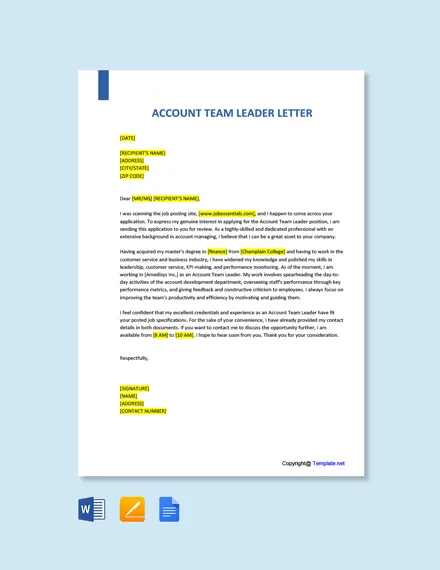
Customize your cover letter for each job application. Don’t use a generic template. Carefully review the job description and highlight the skills and experiences that match the requirements. This shows the hiring manager that you’ve put in the effort and are genuinely interested in the role.
Researching the Company
Demonstrate your interest by researching the company’s mission, values, and recent achievements. Incorporate this knowledge into your letter to show that you understand their goals and how you can contribute to their success. This level of preparation makes a strong impression on the hiring manager and shows you’re not just looking for any job, but this specific job.
Matching Skills to the Job Description
Carefully compare the job description with your skills and experience. Identify the key requirements and tailor your cover letter to highlight how you meet those requirements. Use keywords from the job description to show that you’re a strong match for the role. This targeted approach increases your chances of getting noticed.
Using Action Verbs to Describe Accomplishments

Start your sentences with strong action verbs to describe your accomplishments. Examples include “led,” “managed,” “achieved,” “implemented,” “developed,” and “improved.” Action verbs make your cover letter more dynamic and engaging, and they demonstrate your impact in previous roles. This is a key element of a great cover letter.
Proofreading and Editing for Perfection
Proofread your cover letter meticulously for any typos, grammatical errors, or inconsistencies. A polished cover letter demonstrates your attention to detail and professionalism. Ask a friend or family member to review your letter for a fresh perspective. Even small errors can undermine your application, so proofreading is crucial. Consider using grammar checking software, but don’t rely on it entirely.
Avoiding Common Cover Letter Mistakes
Certain mistakes can undermine even the best cover letters. Understanding and avoiding these pitfalls is key to a successful application.
Generic Cover Letters

Avoid using generic cover letters that are not tailored to the specific job. Hiring managers can easily spot a generic letter, and it shows a lack of effort and interest. Always customize your letter to highlight your relevant skills and experience for the specific role and company.
Focusing on Yourself Instead of the Company
While it’s important to highlight your skills, focus on what you can offer the company, not just your own needs or desires. Show how your skills and experience align with their goals and how you can contribute to their success. A cover letter should be a balance between showcasing your abilities and demonstrating how you can benefit the company.
Ignoring the Job Description
Failing to address the specific requirements outlined in the job description is a major mistake. Carefully review the job description and tailor your cover letter to demonstrate how you meet those requirements. This targeted approach significantly increases your chances of getting noticed.
Failing to Proofread
Typos and grammatical errors can create a negative impression and undermine your credibility. Proofread your cover letter meticulously for any errors. Consider having someone else review your letter to catch mistakes you might miss. A polished, error-free cover letter is a sign of professionalism and attention to detail.
Finalizing Your Team Leader Cover Letter
Once you have written your cover letter, it’s important to finalize it to ensure it’s ready for submission.
Formatting and Presentation
Use a professional and easy-to-read font, such as Arial or Times New Roman, with a font size between 10 and 12 points. Ensure your cover letter is well-formatted with clear paragraphs and headings. Keep the letter to one page if possible. A clean and professional presentation makes a positive impression.
Submitting Your Cover Letter
Follow the application instructions carefully. If the job posting asks for a cover letter, make sure to submit one. If it doesn’t specify a format, save your cover letter as a PDF file to ensure it looks the same on any device. Always double-check that your contact information is correct and that you’re submitting the correct documents.
By following these secrets, you can craft a team leader cover letter that grabs attention, highlights your skills, and significantly increases your chances of landing an interview. Good luck with your job search!