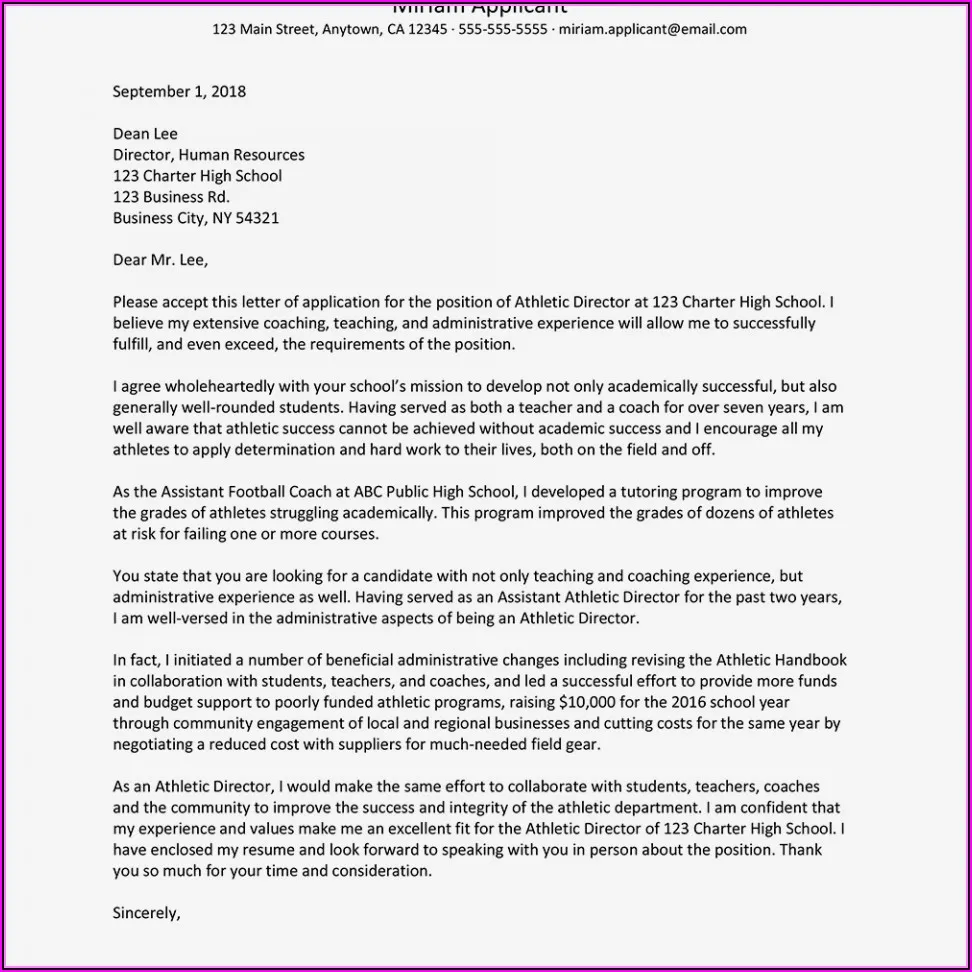
What is a Teacher Cover Letter (And Why You Need One)
A teacher cover letter is a crucial document that accompanies your resume when applying for teaching positions. Think of it as your introduction to the hiring committee, a chance to showcase your personality, passion, and qualifications beyond what’s listed on your resume. It’s your opportunity to make a strong first impression and demonstrate why you’re the perfect fit for the role and the school. Many teachers underestimate the power of a well-crafted cover letter, but in a competitive job market, it can be the difference between landing an interview and being overlooked. It offers you the chance to go deeper into your experiences and explain them further.
Key Components of a Compelling Teacher Cover Letter
A compelling teacher cover letter isn’t just a formality, it’s a carefully constructed narrative that highlights your strengths and aligns them with the needs of the school. It should demonstrate your understanding of the school’s values and your eagerness to contribute. It should be professional, well-organized, and free of errors. A well-structured cover letter includes several key components. These elements work together to create a persuasive case for why you should be hired.
Your Header Contact Information and Date

Start with your header. This section should include your full name, professional title (e.g., Elementary School Teacher), phone number, email address, and LinkedIn profile URL (optional). Ensure your email address is professional-sounding. Below your contact information, add the date. This sets the stage for a professional document, making it easy for the hiring manager to contact you. Accuracy is key here to avoid any communication issues and make you look professional. Make sure everything is clear and easy to find. You want to create a positive first impression with this vital information.
The Salutation Addressing the Hiring Manager
Avoid generic greetings like “To Whom It May Concern.” Instead, try to find the name of the hiring manager or the principal of the school. If you can’t find a name, try a general but still professional greeting like “Dear Hiring Committee.” Researching the school’s website, LinkedIn, or even calling the school can help you find this information. Addressing the letter to a specific person shows you’ve taken the time to personalize your application, demonstrating initiative and attention to detail. This small step can make a big difference in making a positive impression and setting your cover letter apart from generic submissions.
Highlighting Your Teaching Experience
Your teaching experience is the core of your cover letter. Focus on the most relevant experiences that align with the job description. Instead of simply listing your previous roles, provide specific examples of your accomplishments and how you’ve made a positive impact on students and the school. Mention the grade levels you’ve taught, the subjects you’ve specialized in, and any special programs or initiatives you’ve been involved with. This section is where you show, don’t just tell, what you’ve done. Use action verbs to describe your responsibilities and accomplishments. For example, instead of saying “Responsible for lesson planning,” try “Developed and implemented engaging lesson plans.” Emphasize skills and achievements that align with the job’s specific requirements.
Focus on Relevant Experience

Prioritize the experiences that best match the requirements of the teaching position you’re applying for. If the job description emphasizes a particular subject or teaching methodology, highlight your experience in those areas. If you have a wide range of experience, choose the most relevant experiences and tailor your descriptions to demonstrate your skills in the specific areas the school values. This targeted approach shows the hiring manager that you understand the role and that you possess the necessary skills to excel.
Quantify Your Achievements
Wherever possible, quantify your achievements with data and statistics. Instead of saying “Improved student test scores,” say “Increased student test scores by 15% in reading comprehension.” Quantifiable achievements provide concrete evidence of your effectiveness and make a stronger case for your candidacy. Use numbers to showcase your impact, whether it’s the number of students you’ve mentored, the percentage of improvement in student performance, or the amount of grant money you’ve secured. This also shows you are metrics-driven.
Showcasing Your Skills and Qualifications
Beyond your experience, highlight your key skills and qualifications. Refer to the job description and identify the skills the school is seeking. These could include classroom management, curriculum development, communication, collaboration, and specific subject matter expertise. Provide examples of how you’ve utilized these skills in previous roles and the positive outcomes you achieved. It’s essential to not just list the skills but to illustrate them with specific examples. Use strong action verbs to showcase what you are capable of as a teacher.
Classroom Management

Classroom management is a critical skill for any teacher. Describe your strategies for creating a positive and productive learning environment. Do you use specific techniques to manage student behavior? How do you create a classroom culture that fosters respect and cooperation? Provide examples of how you’ve successfully managed classrooms of different sizes and with students with diverse needs. Showcase your ability to maintain order, engage students, and create a space where learning can thrive.
Curriculum Development
If you have experience in curriculum development, highlight your ability to design and implement engaging lesson plans. Describe your approach to aligning lessons with educational standards and incorporating diverse teaching methods. If you’ve developed new curricula or modified existing ones, provide details about the process and the results. Show the hiring manager that you can create and deliver effective lessons that meet students’ needs and support their learning goals. Emphasize your abilities to tailor your teaching to fit the needs of different students.
Communication and Collaboration
Teaching is not a solitary profession. Effective teachers must communicate effectively with students, parents, and colleagues. Describe your communication style and your experience working collaboratively with others. Provide examples of how you’ve successfully communicated with parents, built positive relationships with colleagues, or participated in school-wide initiatives. Demonstrate your ability to work as part of a team and contribute to a positive school environment. Explain how you’ve dealt with difficult situations that required excellent communication skills.
Expressing Your Passion for Education

Your cover letter is the perfect place to express your passion for education and teaching. Share what motivates you as a teacher and what you love about working with students. Talk about your educational philosophy and your commitment to student success. This will help you create a connection with the reader and show them that you care. This could be through describing your teaching philosophy, personal motivations, or specific student stories that have inspired you.
Tailoring Your Cover Letter
A generic cover letter is unlikely to make a strong impression. Tailor each cover letter to the specific school and position you are applying for. This shows that you have done your research and that you are genuinely interested in the opportunity. Customization makes your cover letter stand out and makes it clear that you’ve invested the time and energy to show you are serious about this role.
Research the School
Before you start writing, research the school. Visit their website, read their mission statement, and learn about their programs and values. This information will help you tailor your cover letter to align with the school’s specific needs and goals. If the school emphasizes a particular teaching philosophy or has a specific focus (e.g., STEM, arts integration), be sure to mention how your experience aligns with their mission. Showing that you understand the school’s culture and values is essential.
Match Your Skills to the Job Description

Carefully review the job description and identify the key skills and qualifications the school is seeking. Then, tailor your cover letter to highlight your experience and abilities in those areas. Use the same keywords and phrases from the job description to demonstrate that you are a good fit. This shows that you understand the role’s requirements and are prepared to meet the school’s needs. By aligning your skills and experiences with the job description, you increase your chances of being selected for an interview.
Proofreading and Editing
Proofreading is an absolutely critical step in the cover letter writing process. Errors can undermine your credibility. Before you submit your cover letter, carefully proofread it for any typos, grammatical errors, or formatting issues. Read it aloud to catch awkward phrasing or sentences that don’t flow smoothly. Ask a friend, colleague, or mentor to review your letter. Fresh eyes can often catch mistakes that you might miss. A polished cover letter demonstrates attention to detail and professionalism, reflecting positively on your candidacy. Double-check everything before submitting.
Common Mistakes to Avoid
Avoiding common mistakes can significantly improve your cover letter. Be aware of pitfalls that can undermine your application and make a negative impression. Avoid these errors to present yourself in the best possible light and increase your chances of success.
Generic Language

Generic cover letters are often dismissed. Avoid using overly generic phrases or clichés that could apply to any job or candidate. Instead, use specific examples and tailor your language to the specific position and school. Showcase your unique skills and experiences to make your cover letter stand out. Avoid using stock phrases that are overused, and replace them with examples of your personal experience.
Typos and Grammatical Errors
Typos and grammatical errors can immediately damage your credibility. Ensure your cover letter is free of any errors before submitting. Proofread carefully, and ask someone else to review your letter as a second pair of eyes can often catch mistakes you might miss. Even minor errors can create the impression that you are not detail-oriented or professional.
Lack of Enthusiasm
Your cover letter should convey your enthusiasm for the teaching position and the school. Avoid being overly formal or sounding disinterested. Use active and engaging language to express your passion for teaching and your excitement about the opportunity. Share specific reasons why you are interested in the position and what you hope to accomplish as a teacher at the school. Bring the energy!
Formatting Issues
Poor formatting can make your cover letter difficult to read. Use clear fonts, appropriate spacing, and bullet points to improve readability. Make sure your cover letter is well-organized and visually appealing. Avoid excessive length, and keep your paragraphs concise and easy to understand. Using a clean, professional format enhances your cover letter’s overall effectiveness. Ensure it is neat and easy to read.
How to Write a Strong Closing
Your closing paragraph should leave a positive and lasting impression. It should reinforce your interest in the position and thank the hiring manager for their time and consideration. Avoid generic closings and tailor your closing to the specific job and school. This will demonstrate your genuine interest in the position. It’s your final chance to leave a lasting impression.
The Call to Action
Include a call to action in your closing paragraph. Express your enthusiasm for the opportunity to discuss your qualifications further and request an interview. Make it easy for the hiring manager to take the next step. This can be something as simple as ‘I am eager to discuss how I can contribute to [school’s name] and look forward to hearing from you soon.’
Expressing Gratitude
Always express your gratitude for the hiring manager’s time and consideration. Thank them for taking the time to review your application and for considering you for the position. A sincere thank you shows respect and professionalism and leaves a positive impression.
Cover Letter Template for Teachers
While tailoring your cover letter is essential, a basic template can help you get started. Use a template as a framework to structure your letter. A template can provide a solid foundation for your cover letter. This will help you create a well-organized and professional document, but remember to customize it to fit your unique experiences and the specific job requirements.