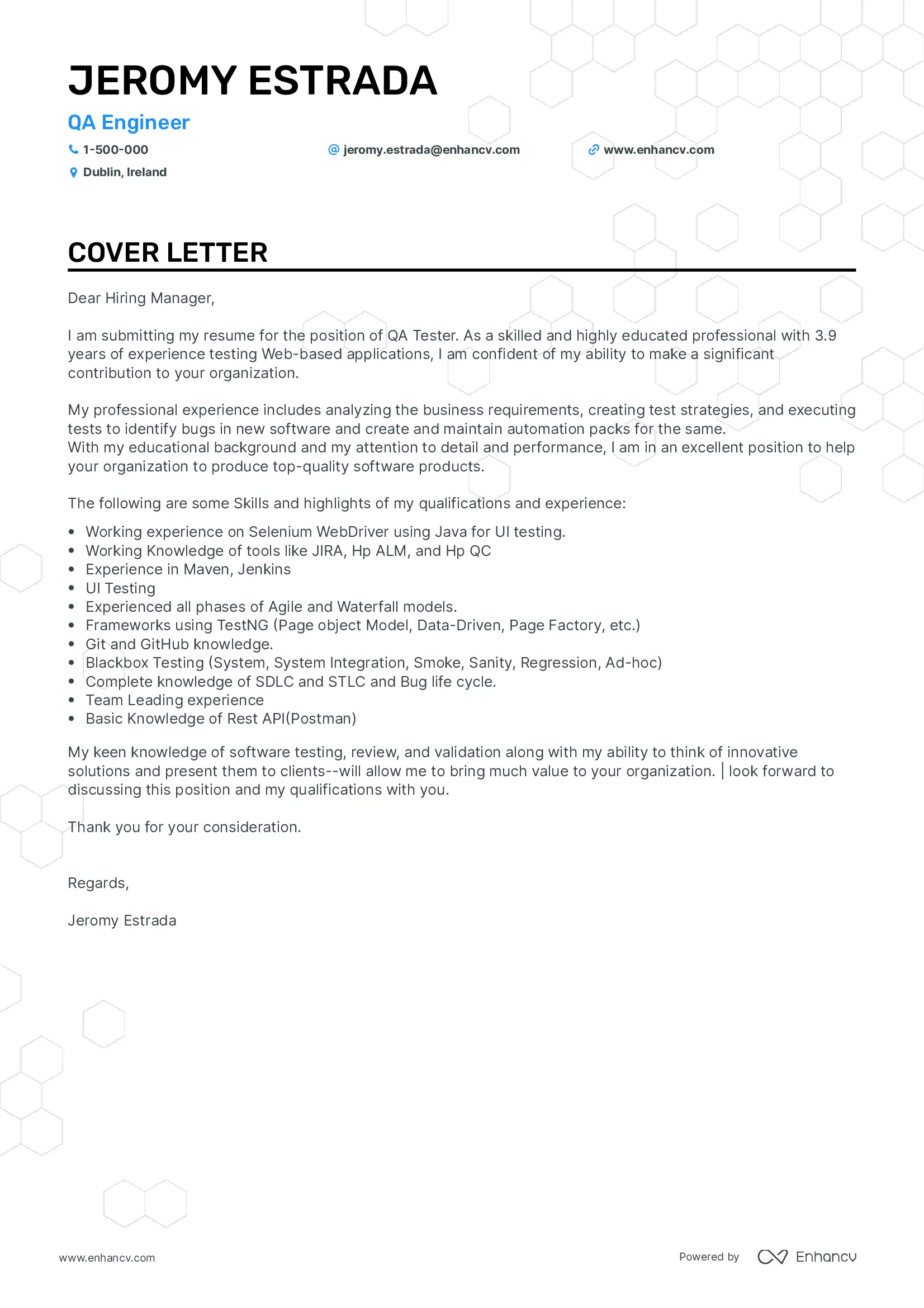
What are Cover Letter Skills
A cover letter is your first impression on a potential employer, and showcasing your skills effectively is crucial. But what exactly constitutes these skills? Cover letter skills are the specific abilities and attributes you possess that make you a suitable candidate for a particular job. They can be broadly categorized into two main types hard skills and soft skills. Understanding both is essential to crafting a compelling cover letter that highlights your strengths and matches the job requirements. This guide will help you understand the types of skills to include, how to identify them, and best practices for presenting them in your cover letter to increase your chances of getting hired.
Hard Skills
Hard skills are teachable abilities or skill sets that are often job-specific and can be measured or quantified. They are typically acquired through education, training, or practical experience. Employers look for hard skills to determine if you have the technical capabilities to perform the job duties. The relevance and importance of these skills vary widely depending on the industry and role. For instance, a software developer needs programming proficiency, while an accountant requires financial analysis expertise. Emphasizing the right hard skills in your cover letter can immediately demonstrate that you have the foundational capabilities required to excel in the role.
Technical Proficiency

Technical proficiency is a critical hard skill that involves specialized knowledge and abilities specific to a particular industry or field. This can include a variety of skills, such as the ability to operate machinery, knowledge of engineering principles, or expertise in a particular scientific method. For example, in the manufacturing industry, technical proficiency might involve the ability to operate CNC machines or the knowledge of quality control processes. In healthcare, it can include expertise in medical equipment or diagnostic procedures. When mentioning technical skills in your cover letter, be specific. Instead of saying you have technical skills, detail the precise technologies, tools, or processes you are proficient in. This level of detail demonstrates that you understand the role’s technical demands and have hands-on experience.
Data Analysis
Data analysis involves the ability to collect, interpret, and analyze data to identify trends, patterns, and insights. This skill is increasingly valuable across industries as businesses become more data-driven. Data analysts use a variety of tools and techniques, including statistical software, data visualization tools, and programming languages. In a cover letter, showcasing your data analysis skills can set you apart. If you have experience using tools like SQL, R, Python, or Excel to analyze data, be sure to mention it. Provide specific examples of how you’ve used these skills to solve problems or make informed decisions, such as using data to improve sales, reduce costs, or identify customer trends. This demonstrates your ability to convert raw data into actionable strategies.
Software Proficiency
Software proficiency refers to your ability to use various software applications effectively. This can encompass a wide range of programs, from general-purpose tools like Microsoft Office to industry-specific software like Adobe Creative Suite or CRM systems like Salesforce. In today’s job market, being proficient in relevant software is often a baseline requirement. In your cover letter, list the software you are proficient in and provide examples of how you’ve used these tools to achieve results. For instance, if you’re applying for a marketing role, mention your experience with marketing automation tools, SEO analytics platforms, and social media management software. This shows that you have the practical skills to perform the job functions and contribute to the team from day one. Consider including certifications or training you’ve completed in any software to further validate your proficiency.
Soft Skills

Soft skills are personal attributes that enable you to interact effectively with others, manage your time, and solve problems. Unlike hard skills, soft skills are less tangible and more difficult to quantify. They are essential for workplace success and contribute significantly to team dynamics, communication, and overall productivity. Employers often value soft skills highly because they relate to your personality and work ethic. Demonstrating the right soft skills in your cover letter can show that you are not only capable of doing the job but also a good fit for the company culture. These skills are transferable across different industries and roles, making them universally important. Highlighting these skills, often through examples of how you’ve used them in past experiences, can significantly boost your candidacy.
Communication Skills
Communication skills encompass your ability to convey information clearly and effectively, both verbally and in writing. Effective communication involves active listening, the ability to tailor your message to your audience, and the capacity to resolve conflicts. This skill is crucial in virtually any professional environment. In your cover letter, show your communication skills by writing concisely and professionally. You can also give examples where you have successfully communicated complex information, led presentations, or negotiated with stakeholders. Highlighting how you adapted your communication style for different audiences or how you resolved communication-related issues can further showcase your abilities. Excellent communication skills build trust and make it easier to collaborate effectively with colleagues, clients, and supervisors.
Teamwork and Collaboration
Teamwork and collaboration are the abilities to work well with others, contribute to a shared goal, and build strong relationships. This involves active participation in group projects, sharing ideas, and supporting team members. Employers highly value teamwork because it promotes a positive work environment and enhances productivity. When discussing teamwork in your cover letter, provide examples of how you’ve contributed to team successes, how you resolved conflicts within a team, or how you’ve encouraged collaboration. Mention any leadership roles you’ve had in team settings or any specific projects where you played a critical role in achieving a common goal. Highlighting your teamwork skills indicates that you can work effectively in a group and contribute to a positive and supportive workplace.
Problem-Solving

Problem-solving is the ability to analyze situations, identify issues, and develop effective solutions. This skill involves critical thinking, creativity, and the ability to make decisions under pressure. Employers value problem-solving skills because they demonstrate your ability to overcome challenges and contribute to organizational efficiency. In your cover letter, highlight instances where you’ve successfully identified and resolved problems. Provide concrete examples of how you’ve analyzed situations, implemented solutions, and measured the results. Mention any specific problem-solving methodologies you’ve used, such as root cause analysis or brainstorming. Demonstrating strong problem-solving skills in your cover letter can showcase your capability to adapt to new situations and contribute to innovation within the workplace.
How to Identify Your Skills
Identifying your skills is the first step in crafting a compelling cover letter. It is essential to reflect on your past experiences, education, and training to identify the skills you’ve developed. A thorough self-assessment, combined with an analysis of job descriptions, will help you create a tailored list of skills relevant to each job application. Knowing your strengths and abilities will not only make writing your cover letter easier but also boost your confidence and increase your chances of success in the job search process.
Reviewing Job Descriptions
Job descriptions are your primary resource for understanding the required skills. Carefully review each job description, paying close attention to the qualifications, responsibilities, and desired skills. Look for keywords that frequently appear, as these indicate the skills the employer values most. Make a list of the hard and soft skills mentioned in the job description. Then, compare these skills to your own abilities. Identify where your skills align and where you might need to emphasize certain skills more than others. This exercise ensures your cover letter directly addresses the employer’s needs and highlights your relevant qualifications. The more closely your skills align with the job requirements, the better your chances of being selected for an interview.
Self-Assessment

Conduct a thorough self-assessment to identify your skills. Reflect on your past experiences, both professional and personal. Consider what you’ve learned through your education, training programs, volunteer work, and previous jobs. Think about tasks you’ve enjoyed, challenges you’ve overcome, and successes you’ve achieved. Make a list of your hard skills, soft skills, and any transferable skills. For example, consider your experience with managing projects, leading teams, using software, or communicating with clients. Asking for feedback from former colleagues, supervisors, or mentors can provide additional insights into your strengths and areas of expertise. This will help you create a comprehensive list of skills to include in your cover letter.
Highlighting Skills in Your Cover Letter
Once you’ve identified your skills, you need to highlight them effectively in your cover letter. This involves using action verbs, providing specific examples, and tailoring your skills to match the job requirements. The goal is to make your skills stand out and demonstrate to the employer that you’re the right fit for the position. The way you present your skills can make a significant difference in how an employer perceives your qualifications, so take the time to do it right.
Using Action Verbs
Start each bullet point or sentence describing your skills with strong action verbs. Action verbs help your statements come alive and show what you have accomplished. For example, instead of writing “Responsible for project management,” write “Managed projects, delivering them on time and under budget.” Some useful action verbs include managed, led, developed, implemented, coordinated, analyzed, and improved. Choose verbs that accurately reflect your actions and accomplishments. The more specific you are, the more impactful your cover letter will be. Using action verbs grabs the reader’s attention and makes your cover letter more dynamic and engaging.
Providing Examples

Providing examples is crucial to demonstrating your skills. Avoid making generic statements about your abilities. Instead, provide concrete examples of how you’ve used your skills in the past to achieve results. For instance, if you are highlighting your communication skills, describe a specific project where you successfully communicated complex information to a diverse audience. If you are discussing your problem-solving skills, explain how you identified an issue, implemented a solution, and the results you achieved. Use the STAR method (Situation, Task, Action, Result) to structure your examples. This format helps you clearly and concisely describe the context, your role, the actions you took, and the outcome of your efforts. Examples make your skills more tangible and relatable, increasing your credibility.
Tailoring Your Skills
Tailor your cover letter to each job application by focusing on the skills and experiences that are most relevant to the specific position. Review the job description and identify the key requirements. Then, highlight the skills from your skill inventory that align with these requirements. Don’t just list your skills; explain how they are relevant to the job. Show the employer that you understand their needs and that you have the skills to meet them. If a job requires project management skills, for example, emphasize your experience managing projects and achieving specific outcomes. Customizing your cover letter makes it more persuasive and shows the employer that you have taken the time to understand their requirements. This attention to detail greatly increases your chances of getting an interview.
Common Mistakes to Avoid
Avoiding common mistakes is essential to ensure your cover letter makes a positive impression. These mistakes can undermine your credibility and reduce your chances of getting an interview. Be aware of these pitfalls so you can present your skills effectively. By avoiding these common cover letter errors, you can create a document that effectively showcases your abilities and increases your chances of landing your dream job.
Generic Statements

Avoid making generic statements about your skills. Statements like “I am a team player” or “I have excellent communication skills” are vague and don’t offer any specific evidence to support your claims. Instead, provide concrete examples and use specific language to illustrate your abilities. For instance, instead of saying “I have strong leadership skills,” provide an example of a time you led a team to achieve a specific goal. The more specific you are, the more believable your claims become. Generic statements are often overlooked because they don’t provide any tangible proof of your abilities. Make sure your cover letter is filled with detailed examples and action verbs.
Listing Irrelevant Skills
Do not list skills that are irrelevant to the job you’re applying for. Including unrelated skills wastes valuable space and can make your cover letter seem unfocused. Focus on the skills the employer specifically mentions in the job description. Review the job requirements and highlight the skills that align with those needs. If a job requires experience with data analysis, for example, don’t waste space talking about your proficiency in social media management. Your cover letter should be tailored to the specific job, emphasizing the skills that are most relevant to the position. Listing irrelevant skills can detract from your application and make it seem like you haven’t taken the time to understand the job’s requirements. Always prioritize the skills that are most important for the role.