Crafting a Compelling School SLP Cover Letter
A well-crafted school SLP (Speech-Language Pathologist) cover letter is your first opportunity to make a strong impression on a potential employer. It’s your chance to showcase your skills, experience, and passion for helping students with communication disorders. This guide will provide you with the essential steps to create a cover letter that stands out and significantly increases your chances of landing an interview. Remember, your cover letter isn’t just a formality; it’s a critical marketing tool that highlights your qualifications and demonstrates your genuine interest in the position.
Understanding the School SLP Role and Requirements
Before you begin writing, it’s crucial to understand the specific requirements of a school SLP role. This involves recognizing the unique demands of working within an educational setting, including collaboration with teachers, parents, and administrators. School SLPs provide a wide range of services, including assessment, diagnosis, treatment, and prevention of speech, language, communication, and swallowing disorders in children. The key is to align your skills and experience with these requirements. Tailor your cover letter to reflect your understanding of the role, emphasizing how your qualifications align with the school district’s needs and the specific student population it serves.
Key Skills to Highlight in Your Cover Letter

Your cover letter should highlight the skills and experiences that make you a strong candidate for a school SLP position. Think of your cover letter as a strategic marketing document, designed to showcase your most relevant abilities. The following sections will explore the skills most valued in this role. Highlighting these key areas in your cover letter will demonstrate your suitability for the position.
Communication and Collaboration Skills
Effective communication and collaboration are at the heart of a successful school SLP. This includes the ability to clearly communicate with students, parents, teachers, and other school staff. Strong interpersonal skills and the capacity to work collaboratively within a multidisciplinary team are essential. Demonstrate your proficiency in these areas by providing examples of how you’ve successfully collaborated with others in the past. This can include participation in IEP meetings, co-teaching activities, and parent-teacher conferences, showcasing your ability to communicate complex information in an accessible manner.
Experience with Pediatric Populations
Experience working with pediatric populations is a critical skill for school SLPs. This includes experience with a diverse range of communication disorders, such as articulation, language delays, fluency disorders, and voice problems. Highlight your experience in assessing and treating these disorders in children, emphasizing the age ranges and specific populations you’ve worked with. If you have experience with specific therapy techniques or programs, be sure to mention them. Demonstrating your familiarity with pediatric populations and their unique needs strengthens your cover letter significantly. Showcasing this type of experience will make you more attractive to potential employers. (Image: slp-pediatric-assessment.webp)
Knowledge of IEPs and Educational Standards

A strong understanding of IEPs (Individualized Education Programs) and educational standards is essential for school SLPs. You should be familiar with the process of developing, implementing, and monitoring IEPs, as well as the legal and ethical guidelines related to special education. Demonstrate your knowledge by mentioning your experience with IEP development, your understanding of state and federal regulations, and your ability to align therapy goals with educational standards. Providing concrete examples of how you’ve used this knowledge in practice is particularly effective. (Image: iep-meeting.webp)
Structuring Your School SLP Cover Letter
Structuring your cover letter correctly is vital to ensure it is easy to read and effectively conveys your qualifications. A well-organized cover letter highlights your key strengths and experiences in a logical and compelling manner. This section provides a guide to structuring your cover letter. Following a clear structure will make your application process more effective.
Header and Contact Information
Start your cover letter with a professional header that includes your full name, address, phone number, and email address. If you know the name of the hiring manager, address the letter to them directly; if not, use a general salutation like “Dear Hiring Manager.” Ensure your contact information is up-to-date and professional. This is the first impression you make, so it should look clean and polished. Make sure you use a professional email address. (Image: school-slp-cover-letter-header.webp)
The Introduction Paragraph

The introduction paragraph is your opportunity to grab the reader’s attention and express your interest in the position. State the specific job you’re applying for and where you saw the posting. Briefly mention why you’re interested in the role and what makes you a good fit. Keep it concise and enthusiastic, setting a positive tone for the rest of the letter. Highlight your enthusiasm for the position and school district and briefly mention a key skill or experience that makes you stand out.
Body Paragraphs Highlighting Qualifications
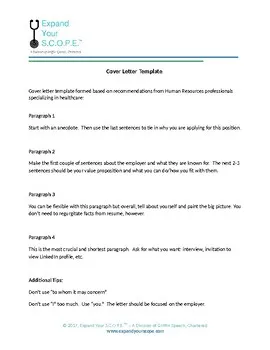
The body paragraphs are where you showcase your qualifications and experiences in detail. Use these paragraphs to highlight specific skills and accomplishments that align with the job description. Provide concrete examples of how you’ve applied your skills and achieved positive outcomes. Tailor your examples to the specific requirements of the position and school district. Use action verbs to describe your responsibilities and achievements, and quantify your accomplishments whenever possible. The objective is to demonstrate a clear value proposition. (Image: school-slp-cover-letter-structure.webp)
Tailoring to the School District and Position
Personalizing your cover letter to the specific school district and position is crucial. Research the school district’s mission, values, and programs to demonstrate your genuine interest. Mention specific initiatives or programs that resonate with you and explain how your skills and experience align with their goals. Show that you understand the unique needs of the district and the students it serves. Customize the language and tone to match the district’s culture. This level of personalization demonstrates your commitment and increases your chances of being selected for an interview.
Quantifying Achievements and Skills
Quantifying your achievements makes your cover letter more impactful. Instead of simply stating that you improved student outcomes, provide specific data. For example, state that you “increased student progress by 20% in articulation skills within one semester.” Use numbers, percentages, and other metrics to demonstrate the impact of your work. This concrete evidence gives your claims credibility and helps employers understand the value you bring. Quantifiable achievements help you stand out from other candidates. (Image: quantifiable-achievements.webp)
The Closing Paragraph and Call to Action
Conclude your cover letter by reiterating your interest in the position and expressing your enthusiasm for the opportunity. Thank the hiring manager for their time and consideration. Include a clear call to action, such as “I look forward to the opportunity to discuss my qualifications further” or “I am available for an interview at your earliest convenience.” Provide your contact information again, making it easy for the hiring manager to reach you. Proofread this paragraph carefully, and ensure it reflects professionalism and enthusiasm.
Formatting and Proofreading Your Cover Letter
Proper formatting and thorough proofreading are critical aspects of a successful cover letter. A polished, error-free letter demonstrates professionalism and attention to detail. This final section will guide you on perfecting your cover letter. Attention to these details can be the difference between a positive and negative initial impression.
Font, Style, and Overall Presentation

Choose a professional and readable font, such as Times New Roman, Arial, or Calibri, with a font size between 10 and 12 points. Use clear headings, bullet points, and ample white space to make your cover letter easy to read. Maintain consistent formatting throughout the document. Avoid using overly decorative fonts or excessive formatting, which can distract from the content. A well-formatted cover letter is visually appealing and creates a positive first impression. Ensure your cover letter looks clean, organized, and easy to navigate.
Proofreading for Errors and Clarity
Thorough proofreading is essential to ensure your cover letter is free of errors. Check for grammatical errors, spelling mistakes, and typos. Read your cover letter multiple times, and consider having a friend or colleague review it as well. Ensure your writing is clear, concise, and easy to understand. Avoid jargon and overly complex language. Accuracy and clarity are essential to making a positive impression. Correcting all errors makes your cover letter look polished and professional. (Image: cover-letter-proofreading.webp)
Examples of Successful School SLP Cover Letters
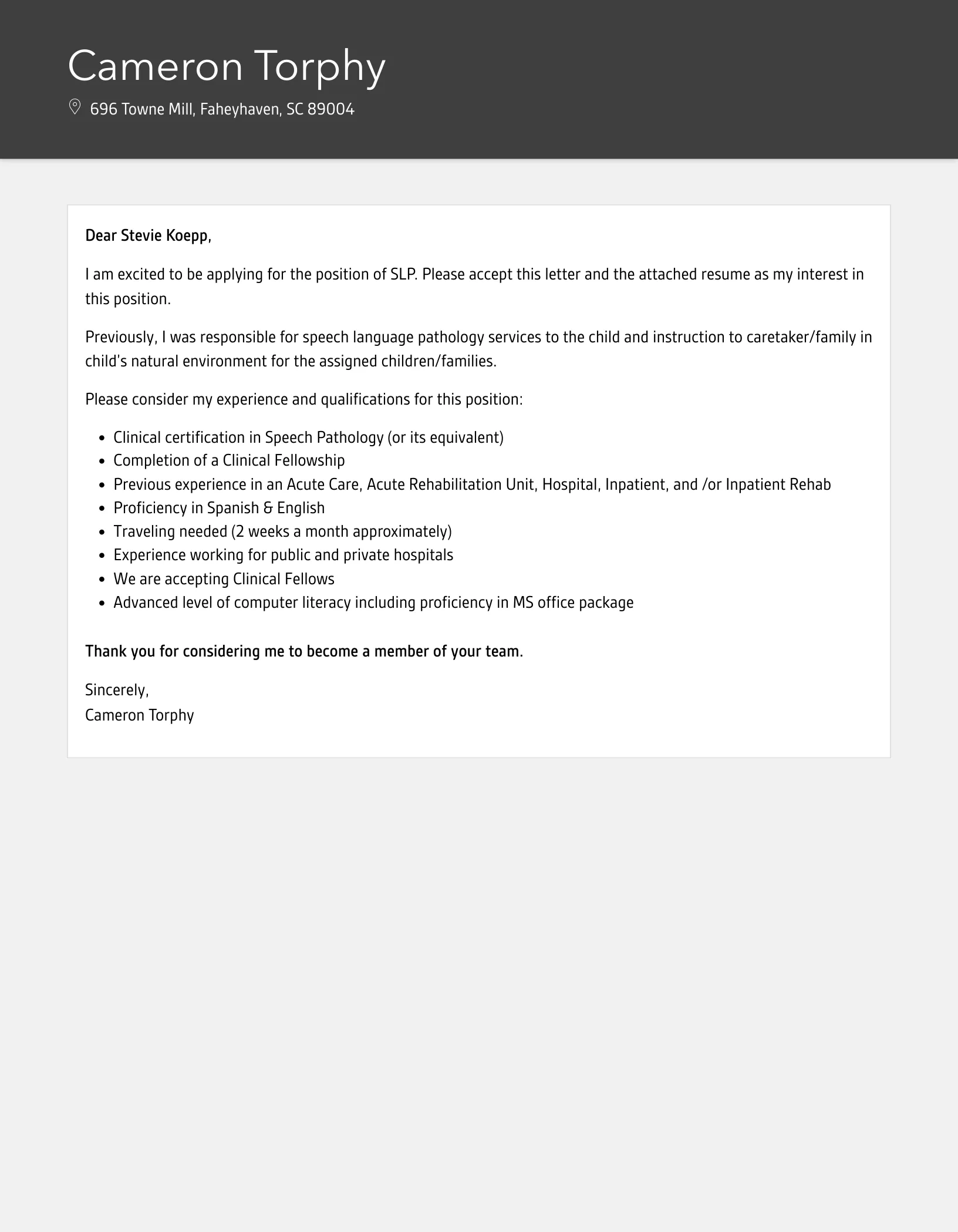
Reviewing examples of successful school SLP cover letters can provide valuable insights and inspiration. Look for examples that align with the job description and showcase the key skills and experiences. Analyzing these examples can help you understand the structure, tone, and content that resonates with potential employers. Note the use of action verbs, quantifiable achievements, and personalized language. Adapt the best practices to create your own compelling cover letter. Remember that the objective is to adapt to your unique experience.
In conclusion, crafting a compelling school SLP cover letter requires a strategic approach, aligning your skills and experiences with the needs of the school district. By following the guidelines outlined in this guide, including understanding the role, highlighting key skills, structuring your letter effectively, and proofreading thoroughly, you’ll significantly increase your chances of getting hired. Remember to be enthusiastic, professional, and tailored to the specific position. Good luck with your application!