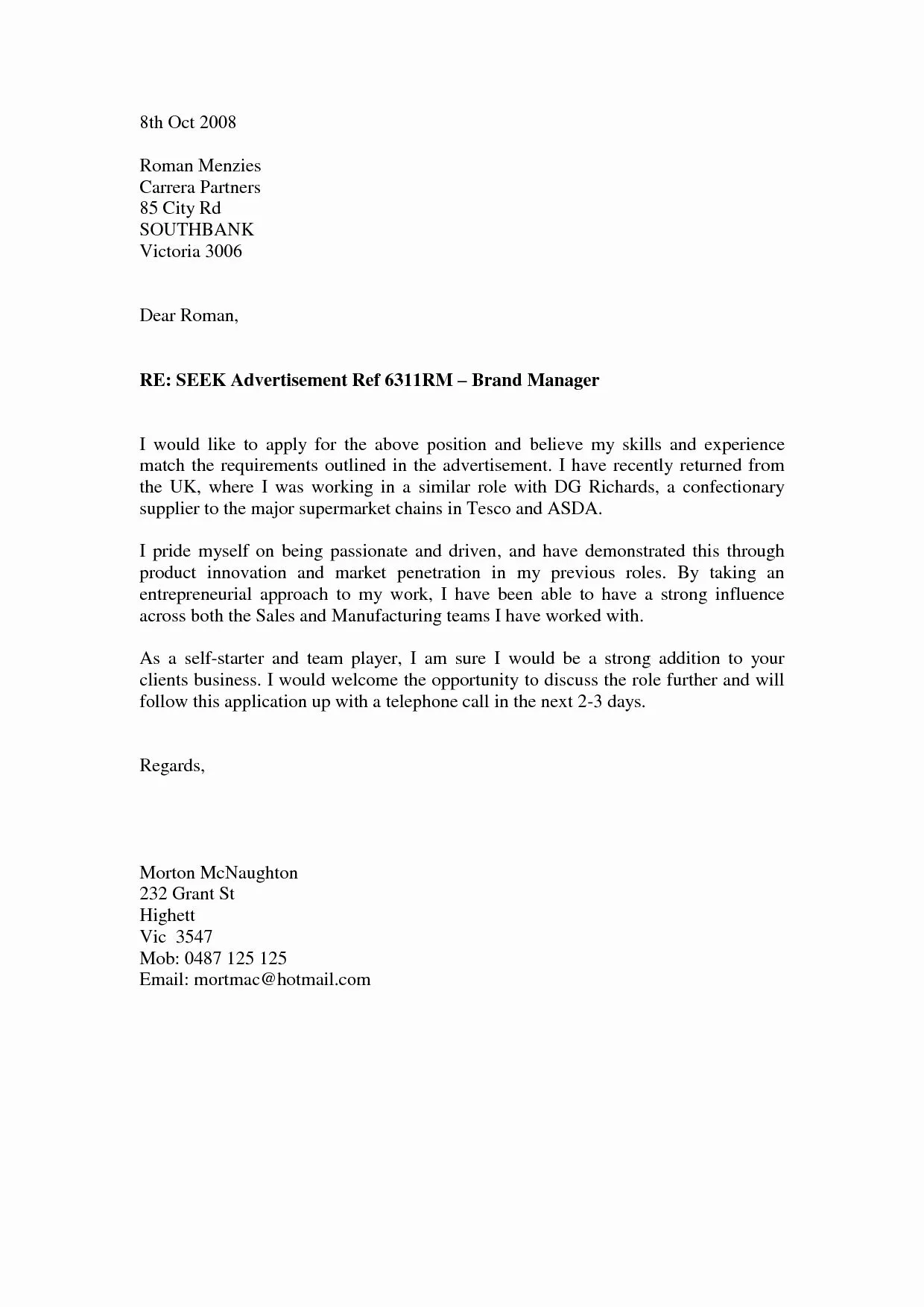
Why a Strong Cover Letter is Crucial (Even with No Experience)
Landing a sales consultant role without prior experience can seem daunting, but it’s entirely achievable. The key? A powerful cover letter. It’s your first impression, your chance to convince the hiring manager that you possess the potential and the personality to excel in sales. Even without direct sales experience, a well-crafted cover letter allows you to highlight transferable skills, demonstrate your enthusiasm, and showcase your understanding of the sales process. It bridges the gap, turning a lack of experience into a compelling narrative of eagerness, adaptability, and a strong desire to learn and contribute. This document is not just a formality; it’s your advocate, working tirelessly to secure you an interview.
Highlighting Transferable Skills
Transferable skills are the cornerstone of any successful cover letter when applying for a role where you lack direct experience. These are the abilities you’ve honed through various experiences – be it academic, volunteer, or previous employment – that are directly applicable to the sales consultant role. Identifying and emphasizing these skills allows you to demonstrate your capability to perform the job duties effectively, even without a background in sales. This showcases your potential to quickly adapt and contribute to the company’s success. This involves a careful self-assessment to pinpoint which skills are most relevant and how they align with the job description.
Identifying Your Relevant Skills

Begin by carefully reviewing the job description. Identify the key skills and qualities the employer is seeking. Then, assess your own skillset to find areas of overlap. Consider experiences from various aspects of your life, not just your work history. Did you manage a project in school? Volunteer for a leadership role? Successfully resolve a customer complaint in a retail job? All these experiences showcase valuable skills that can be easily translated to the sales environment. Skills like communication, problem-solving, and customer service are especially valuable. The goal is to demonstrate that you possess the foundational abilities required for success in sales.
Communication Skills
Effective communication is the lifeblood of sales. Highlight instances where you’ve successfully communicated ideas, negotiated terms, or persuaded others. This includes both written and verbal communication. Did you write persuasive essays in school? Present projects to a group? These are all examples of strong communication skills. Tailor your examples to match the specific requirements mentioned in the job description. Remember to show, don’t just tell; provide specific instances and outcomes to demonstrate the effectiveness of your communication abilities. Good communication can make the difference between closing and losing a deal.
Problem-Solving Skills
Sales is all about solving customer problems. Showcase your ability to think critically, analyze situations, and find solutions. Provide examples where you’ve identified an issue, developed a plan, and implemented a solution. This skill is crucial for addressing customer concerns and closing deals. Whether it’s resolving a conflict, finding a creative solution to a challenge, or simply identifying the root cause of an issue, demonstrate your problem-solving prowess through specific examples. Hiring managers are looking for candidates who can think on their feet and offer solutions.
Customer Service Skills

Customer service experience, even if not directly in sales, is highly transferable. Highlight experiences where you’ve interacted with customers, addressed their needs, and provided excellent service. Showcase your ability to build rapport, handle complaints, and maintain a positive attitude. Did you work in retail, hospitality, or any role where customer interaction was crucial? Use these experiences to illustrate your customer service skills. Good customer service translates directly into building strong client relationships, a critical element in sales success. These interactions are key to closing a deal.
Adaptability and Learning Agility
Sales environments are constantly changing. Showcase your ability to adapt to new situations and quickly learn new information. Mention any training courses, workshops, or self-study you’ve undertaken. This demonstrates your proactive approach to learning and your willingness to embrace new challenges. Highlight instances where you’ve successfully adapted to changing circumstances or learned a new skill quickly. Being adaptable is vital in sales. Sales Consultants need to be able to quickly learn about new products, sales techniques, and client needs, to always be relevant.
Showcasing Your Enthusiasm and Passion for Sales
Even without direct experience, demonstrating your passion for sales is paramount. Your enthusiasm can often compensate for a lack of practical experience, showing the employer that you’re eager to learn and excel. It demonstrates a willingness to go the extra mile, a proactive attitude, and a genuine interest in the industry. Injecting passion into your cover letter transforms it from a mere formality into a compelling statement of your aspirations and dedication. Highlight specific reasons why you’re drawn to the sales profession, demonstrating a true interest beyond simply needing a job.
Researching the Company

Thorough research is essential. Before crafting your cover letter, investigate the company thoroughly. Understand its products or services, its target market, and its values. This knowledge allows you to tailor your cover letter to the specific company and demonstrate your genuine interest. Visit the company website, read news articles, and check social media to gather as much information as possible. This shows initiative and a proactive approach. Show that you understand their business, their goals, and how you can contribute to their success. This will get you one step closer to getting that job.
Tailoring Your Cover Letter
Generic cover letters rarely impress. Customize each cover letter to match the specific requirements of the job and the company’s culture. This involves using the company’s name, addressing the hiring manager by name (if possible), and highlighting skills and experiences that align with the job description. Demonstrate that you have carefully considered the company’s needs and can see how you can fill them. Don’t just rehash your resume; use the cover letter to tell a story, to connect the dots between your experiences, and the role you are applying for. A customized approach significantly increases your chances of getting noticed and securing an interview.
Demonstrating Your Understanding of the Sales Role
Even without direct sales experience, you can demonstrate an understanding of the sales process. Research common sales techniques, methodologies, and industry terminology. Mention your familiarity with these concepts in your cover letter. This shows that you’ve taken the initiative to learn about the profession and are serious about pursuing a career in sales. Understand the sales cycle, from lead generation to closing a deal, and show how your skills align with each stage. Mention any sales-related books or resources you’ve studied to further showcase your knowledge.
Quantifying Achievements (Even Without Direct Sales Experience)

Quantifying your achievements, even outside of sales, adds credibility and impact to your cover letter. Use numbers and data to showcase your accomplishments. This provides concrete evidence of your abilities and potential. For example, if you improved efficiency in a previous role, state the percentage of improvement. If you managed a project, mention the budget or the number of people involved. If you solved a customer service issue, show the outcome. Use metrics to back up your claims. Numbers provide a clearer picture of your capabilities than vague statements.
Using Action Verbs and Results-Oriented Language
Use strong action verbs to describe your accomplishments and skills. This creates a dynamic and engaging cover letter that captures the reader’s attention. Instead of saying, “I was responsible for,” try phrases like “I managed,” “I implemented,” or “I achieved.” Focus on the results of your actions. What did you accomplish? How did you contribute to the success of the previous experiences? Use phrases like “increased sales by X%,” “reduced costs by Y,” or “improved customer satisfaction by Z.” Results-oriented language proves you can deliver.
Providing Examples From Other Experiences
Use your past experiences to illustrate your capabilities. If you don’t have direct sales experience, draw on examples from other roles, volunteer work, or academic projects to highlight your relevant skills. Describe a situation, the actions you took, and the positive results you achieved. Focus on how these experiences have prepared you for a sales consultant role. The more specific the examples, the better. This gives the hiring manager a clear understanding of your abilities and the potential value you bring. These can be from any kind of experience.
Crafting a Compelling Opening

The opening of your cover letter is crucial. It sets the tone and determines whether the reader will continue reading. Make a strong first impression by clearly stating your purpose and expressing your interest in the sales consultant role. Show enthusiasm and highlight why you are a good fit for the company. Consider starting with a compelling statement, a brief summary of your relevant skills, or a reference to a company value that resonates with you. Aim to capture the reader’s attention and make them want to learn more about you. A well-crafted opening ensures your cover letter gets the attention it deserves.
The Importance of a Strong First Impression
Your cover letter’s first impression is critical. It can make or break your application. The first few sentences are like the headline of a news article; they need to grab the reader’s attention and compel them to learn more. A strong opening immediately establishes your value, demonstrates your understanding of the role, and showcases your enthusiasm. Even without sales experience, your opening can show a clear understanding of the sales process. This also demonstrates your professionalism and attention to detail.
Grabbing the Reader’s Attention
To grab the reader’s attention, avoid generic openings. Instead of simply stating you are applying for a role, try something more engaging. Mention a specific achievement, a company value you admire, or a problem you believe you can solve for the company. Tailor your opening to the specific job and company, showing that you’ve done your homework. It’s about making your cover letter memorable, not just informative. Make it unique. The best openings are usually the shortest and most exciting.
Creating a Memorable Closing

The closing of your cover letter is your last chance to leave a positive impression. It should reiterate your interest in the role and highlight your value to the company. Briefly summarize your key strengths and reiterate your enthusiasm. Avoid generic phrases. End with a strong call to action, such as a request for an interview or a statement about your willingness to discuss your qualifications further. A well-crafted closing reinforces your suitability for the role and prompts the hiring manager to take the next step. This may be your first impression, but it will also be your lasting impression.
Reiterating Your Interest and Value
In your closing, reiterate your interest in the sales consultant role and the company itself. Restate how your skills and experiences align with the job requirements and the company’s goals. Briefly summarize what you bring to the table. Remind the hiring manager of the key reasons why you are a good fit for the position. Reinforce the idea that you are the right candidate. This helps the hiring manager remember you and see you as a valuable asset. Make sure to reiterate the role you are applying for.
Making a Call to Action
Include a clear and concise call to action in your closing. This tells the hiring manager what you want them to do next. Request an interview, or express your willingness to discuss your qualifications in greater detail. Make it easy for them to respond. Provide your contact information again, and reiterate your enthusiasm for the opportunity. Your call to action should leave no doubt that you want to move forward in the hiring process. This is your chance to be confident in your abilities.
Proofreading and Formatting
Proofreading and formatting are essential for a professional cover letter. Errors can detract from your credibility and undermine your chances of getting an interview. Carefully proofread your cover letter for grammar, spelling, and punctuation errors. Ensure your formatting is consistent and easy to read. Use a professional font and maintain consistent spacing throughout the document. Get a second pair of eyes to review your cover letter for any errors you might have missed. A polished, well-formatted cover letter shows your attention to detail and professionalism, which are both vital qualities in sales.
Ensuring a Professional Appearance
Your cover letter’s appearance matters. Use a clean, professional font such as Arial or Times New Roman. Keep the formatting consistent. Use clear headings and subheadings to break up the text and make it easier to read. The cover letter should be well-organized and visually appealing. Avoid using excessive colors, images, or other design elements that might distract from your message. The goal is to present yourself as a professional candidate who pays attention to detail.
Avoiding Common Mistakes
Avoid common cover letter mistakes that can hurt your chances. Don’t simply repeat your resume. This is your opportunity to provide more context, illustrate your skills, and share your personality. Avoid generic templates or canned phrases. Tailor your cover letter to each job and company. Proofread carefully. Even small errors can hurt your credibility. Never be negative or critical of past employers. Keep the tone positive and enthusiastic. Focus on what you can bring to the table, and avoid overselling yourself. Ensure the cover letter sells your abilities.