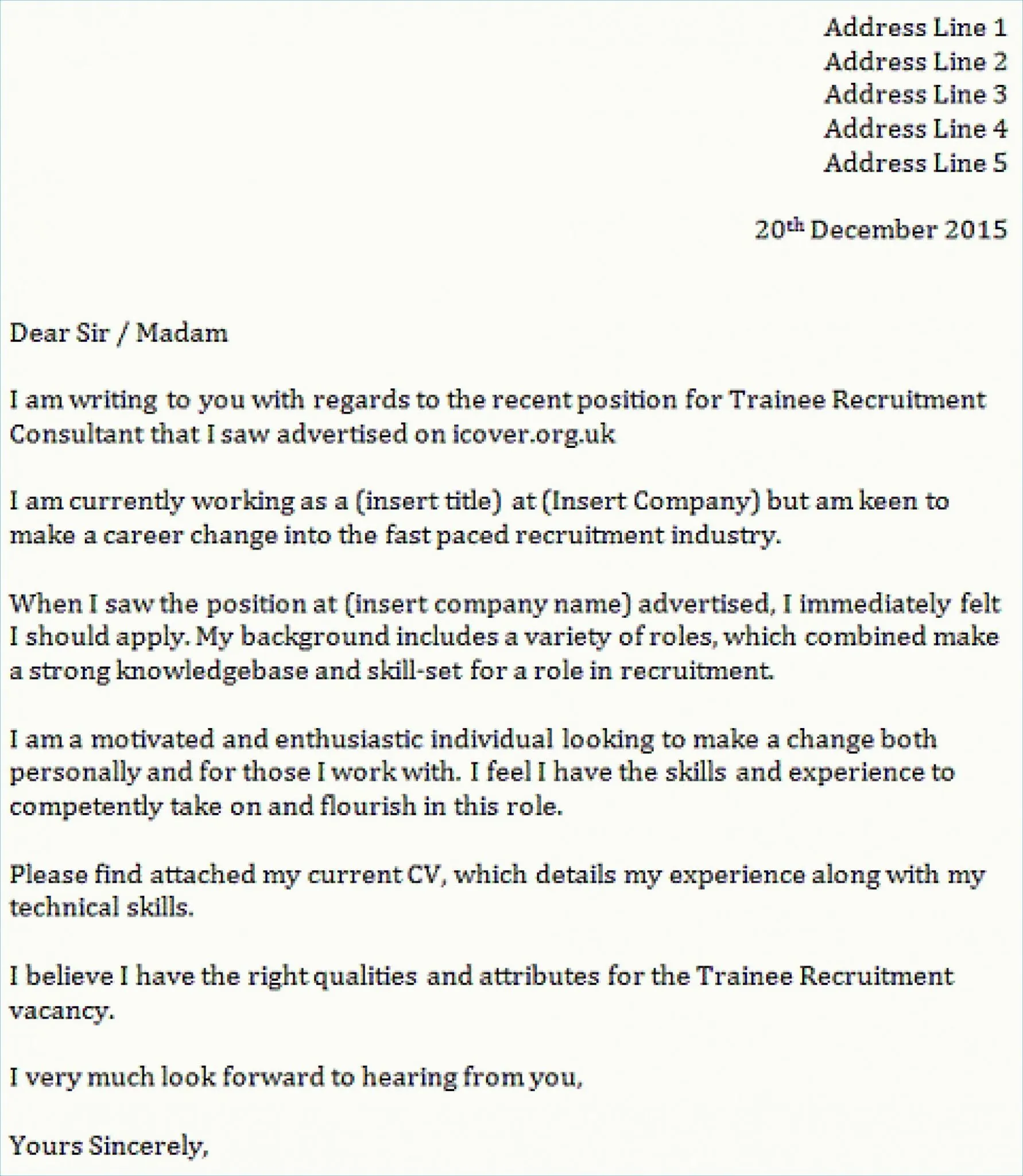
What is Resume Optimization
Resume optimization is the process of strategically crafting your resume to increase its visibility and effectiveness in the job application process. It goes beyond simply listing your experience and skills, focusing on presenting your qualifications in a way that aligns with the specific requirements of the jobs you’re targeting. A well-optimized resume not only highlights your strengths but also ensures that it can be easily read and understood by both human recruiters and applicant tracking systems (ATS).
Key Components of a Winning Resume
A winning resume is more than just a document; it’s a marketing tool that sells your skills and experience. It should be clear, concise, and tailored to the job you’re applying for. The key components work together to paint a complete picture of your professional capabilities and potential, making it easier for hiring managers to see how you align with their needs.
Contact Information

Your contact information should be at the top of your resume. Include your full name, phone number, professional email address, and a link to your LinkedIn profile. Ensure your email address is professional (e.g., firstname.lastname@email.com) and that your LinkedIn profile is up-to-date and reflects your professional brand. Double-check that your phone number is accurate and that your voicemail greeting is professional.
Summary or Objective
A concise summary or objective statement provides a brief overview of your skills, experience, and career goals. A summary is best for experienced professionals and highlights key accomplishments and qualifications. An objective is more suitable for entry-level candidates and outlines your career aspirations. Keep it brief (3-4 sentences) and tailored to the job you’re applying for. It’s your elevator pitch, designed to grab the reader’s attention immediately.
Work Experience
This is the most crucial section, detailing your professional history. List your previous roles in reverse chronological order. For each position, include the job title, company name, dates of employment, and a bulleted list of responsibilities and achievements. Focus on accomplishments rather than just listing duties. Use action verbs to describe your contributions and quantify your results whenever possible. Aim for 3-6 bullet points per role, highlighting the most relevant aspects.
Highlighting Achievements

Achievements are what set you apart. Instead of simply listing your responsibilities, focus on your accomplishments and the positive impact you made in each role. Use the STAR method (Situation, Task, Action, Result) to structure your bullet points. Describe the situation, the task you undertook, the action you took, and the results you achieved. This helps demonstrate your value and impact to potential employers.
Quantifying Accomplishments
Whenever possible, quantify your achievements with numbers, percentages, or specific metrics. For example, instead of saying ‘Improved customer satisfaction,’ say ‘Improved customer satisfaction by 15%.’ Quantifiable achievements provide concrete evidence of your impact and make your accomplishments more compelling. Numbers are easily understood and demonstrate the tangible results of your work.
Skills Section
This section showcases your skills, both hard and soft. It’s crucial to tailor this section to the specific job requirements. Research the job description and identify the key skills the employer is looking for. Include these keywords in your skills section, demonstrating that you possess the necessary qualifications. Organize your skills logically, such as by categorizing them into technical skills and soft skills.
Technical Skills

List any specific technical skills relevant to the job, such as programming languages, software proficiency, or industry-specific tools. Be specific and accurate. If you have varying levels of proficiency (e.g., beginner, intermediate, expert), you can indicate them to give a more accurate representation of your expertise. Avoid listing skills you don’t possess or are unfamiliar with.
Soft Skills
Soft skills, such as communication, teamwork, problem-solving, and leadership, are equally important. Include a mix of soft skills that align with the job requirements. Provide examples of how you’ve demonstrated these skills in your previous roles. These skills demonstrate your ability to work effectively with others and contribute to a positive work environment.
Education
Include your educational background, including the degree earned, the name of the institution, and the graduation date. If you have advanced degrees, you can omit your high school information. If you are a recent graduate, you can include relevant coursework, GPA (if it’s impressive), and any academic achievements. This section provides a snapshot of your academic credentials and educational foundation.
Formatting and Design

The formatting and design of your resume play a significant role in its readability and appeal. A well-formatted resume is easy to scan and navigate, making it more likely that hiring managers will review your qualifications. Choose a clean, professional design that is easy on the eyes.
Font Selection
Choose a professional and easy-to-read font, such as Arial, Calibri, or Times New Roman. Keep the font size between 10 and 12 points for body text. Avoid overly decorative or unusual fonts that can be distracting. Ensure consistency throughout the document for a polished look.
Layout and Structure
Use a clear and organized layout with ample white space. This helps break up the text and makes it easier to read. Use headings, subheadings, and bullet points to highlight key information. Keep it concise, typically one or two pages, depending on your experience. A well-structured layout ensures that key information is easily accessible.
Keywords and Applicant Tracking Systems (ATS)

Many companies use Applicant Tracking Systems (ATS) to screen resumes. ATS software scans resumes for specific keywords to determine if a candidate is a good fit for the job. Optimizing your resume with relevant keywords is crucial to ensure your application is seen by a human recruiter. By incorporating the right keywords, you increase your chances of passing the initial screening and moving to the next stage of the application process.
Researching Keywords
Carefully review the job description to identify the keywords and phrases the employer uses to describe the role and the required skills. Make a list of these keywords and strategically incorporate them throughout your resume, especially in the skills section, work experience descriptions, and summary/objective. Use a variety of tools, such as online keyword research tools, to identify relevant terms.
ATS-Friendly Formatting
To ensure your resume is ATS-friendly, use a simple and clean format. Avoid using tables, complex formatting, or graphics that may confuse the ATS. Save your resume as a .doc or .docx file (rather than a .pdf) whenever possible, as these formats are generally more compatible with ATS software. Use standard section headings and avoid unusual fonts or layouts. This ensures your resume can be easily parsed by the system.
Proofreading and Editing

Thoroughly proofread your resume for any typos, grammatical errors, or inconsistencies. Errors can make your resume look unprofessional and may lead recruiters to dismiss your application. Ask a friend or career counselor to review your resume. Ensuring accuracy is paramount to creating a positive first impression.
Common Resume Mistakes
Avoiding common resume mistakes can significantly improve your chances of success. Common pitfalls can lead to your application being rejected. Be mindful of the details and carefully review your resume to ensure you are presenting the best version of yourself.
Overused Phrases
Avoid using overused and generic phrases like ’team player,’ ‘results-oriented,’ and ‘hard worker.’ These phrases are often vague and don’t provide specific information about your skills or achievements. Instead, use action verbs and quantify your accomplishments to demonstrate your value. Replace clichés with concrete examples and data points.
Typos and Grammatical Errors

Typos and grammatical errors can damage your credibility and make you appear careless. Proofread your resume carefully, and consider using grammar-checking tools. Ask a friend or career counselor to review your resume. Errors create a negative impression and make it appear that you are not detail-oriented. Double-check all the details.
Tailoring Your Resume
Customizing your resume for each job application is crucial. This shows that you have taken the time to understand the specific requirements of the role and are genuinely interested in the opportunity. A tailored resume demonstrates your commitment and increases your chances of getting noticed.
Customizing for Each Application
Carefully review the job description and identify the key skills and experiences the employer is seeking. Modify your resume to highlight the most relevant qualifications and skills. Use keywords from the job description throughout your resume. Tailoring your resume to the specific needs of each job application demonstrates your understanding of the role and increases your chances of securing an interview. Consider creating different versions of your resume, each tailored to a specific type of role or industry.