The Importance of a Strong Resume and Cover Letter
In the competitive landscape of today’s job market, your resume and cover letter are often your first impression. They are critical tools that showcase your skills, experience, and qualifications to potential employers. A well-crafted resume and cover letter can significantly increase your chances of securing an interview, while a poorly written one can lead to your application being overlooked. These documents serve as a concise summary of your professional background, highlighting your achievements and demonstrating your suitability for a specific role. They provide employers with a snapshot of your capabilities and help them quickly assess whether you meet their requirements. Therefore, investing time and effort into creating a polished and impactful resume and cover letter is a crucial step in any job search strategy. This is your opportunity to make a positive first impression and persuade the hiring manager to learn more about you.
Key Components of a Winning Resume
A winning resume is more than just a list of your past jobs; it’s a targeted marketing document designed to get you an interview. It should be clear, concise, and easy to read, with a focus on your accomplishments and the value you can bring to a company. A well-structured resume includes several key sections that work together to present a complete picture of your professional background. Each component plays a crucial role in demonstrating your qualifications and making a strong impression on potential employers. These elements should be carefully considered and tailored to each job application to maximize your chances of success. The goal is to quickly convey your skills and experience in a way that resonates with the hiring manager.
Contact Information and Personal Details

This section should be at the top of your resume and include your full name, phone number, professional email address, and a link to your LinkedIn profile if you have one. Make sure your contact information is accurate and up-to-date. Avoid using unprofessional email addresses. Your LinkedIn profile can provide additional context and showcase your professional network, so be sure it is also up-to-date and professional. Include a professional headshot if appropriate. Ensure your contact information is easily accessible and clearly displayed so that recruiters can quickly get in touch with you. Double-check all details for accuracy to avoid any missed opportunities.
Resume Summary or Objective
A resume summary is a brief overview of your experience, skills, and career goals, typically used by experienced professionals. It highlights your most relevant qualifications and career achievements. A resume objective, on the other hand, states your career goals and what you hope to achieve in the role. Objectives are often used by entry-level candidates or those changing careers. Tailor either your summary or objective to match the specific job description. Highlight your key skills, experiences, and the value you bring to the table. Keep this section concise, typically 2-3 sentences long, and use strong action verbs to describe your accomplishments and career aspirations.
Work Experience Section
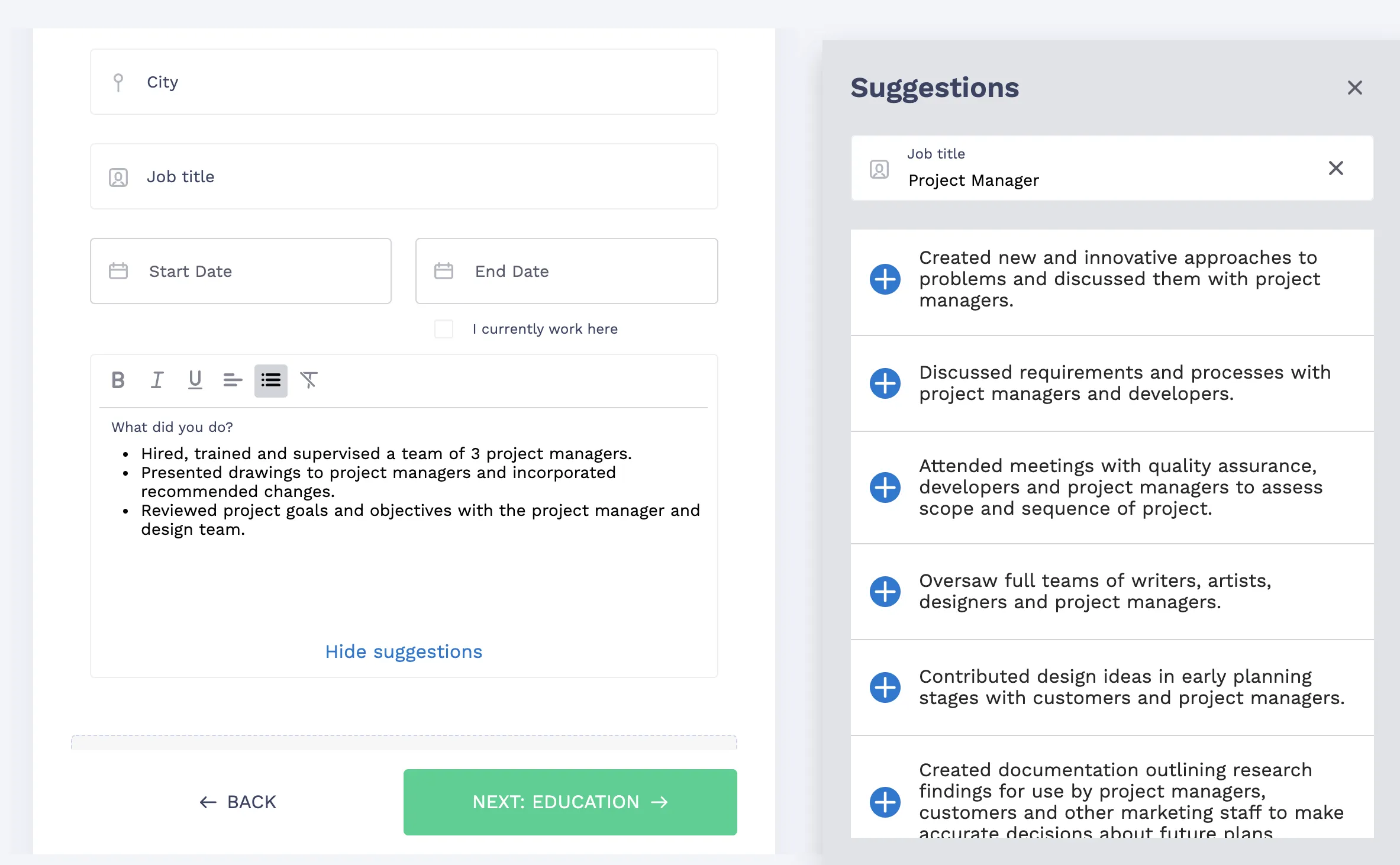
This section is the core of your resume. List your work experience in reverse chronological order, starting with your most recent job. Include your job title, the company name, the dates of employment, and a brief description of your responsibilities and accomplishments. Use action verbs to start each bullet point and quantify your achievements whenever possible. Focus on the impact you made in each role, such as increasing sales, improving efficiency, or leading successful projects. Tailor this section to the job you are applying for by highlighting the most relevant experience and skills. If you have gaps in your employment history, address them briefly and honestly to avoid raising concerns.
Education Section

List your educational background, including the name of the institution, degree earned, graduation date, and any relevant honors or awards. If you have limited work experience, you can place this section before your work experience section. Include any relevant coursework or academic projects that align with the job requirements. If you have multiple degrees, list them in reverse chronological order. For recent graduates, you might include your GPA (if it’s high) and any relevant extracurricular activities or leadership positions. If you are a seasoned professional, you may keep this section concise, focusing on the most relevant academic qualifications.
Skills Section
This section is crucial for showcasing your abilities to potential employers. Divide your skills into categories, such as technical skills, soft skills, and language skills. Include skills that are relevant to the job description and highlight the keywords used in the job posting. Provide a mix of hard and soft skills to demonstrate a well-rounded profile. Be specific and avoid generic terms. For example, instead of just writing ‘communication skills’, provide details like ‘written and verbal communication’ or ‘public speaking’. Use a skills matrix or a bullet-point format to make it easy for recruiters to scan and identify your qualifications quickly. Make sure that the skills listed are accurate and that you can demonstrate them during an interview.
Tips for Formatting Your Resume
Proper formatting is crucial for making your resume easy to read and visually appealing. Consistent formatting helps recruiters quickly find the information they need. Choose a clean and professional font, such as Arial, Calibri, or Times New Roman, with a font size between 10 and 12 points. Use clear headings and subheadings to organize your information logically. Maintain consistent margins and spacing throughout the document. Use bullet points to highlight key accomplishments and responsibilities, making it easy for the reader to scan and identify relevant information. Avoid using excessive colors, graphics, or elaborate designs unless it aligns with the specific industry or role. Keep your resume concise, ideally one to two pages long, depending on your experience.
Choosing the Right Resume Format

There are three main resume formats: chronological, functional, and combination. A chronological resume is the most common and lists your work experience in reverse chronological order. It is ideal for candidates with a consistent work history. A functional resume focuses on your skills and abilities rather than your work history, useful for those with gaps in employment or those changing careers. A combination resume blends both chronological and functional formats, highlighting skills and experience while still presenting a work history. Choose the format that best showcases your strengths and aligns with the job requirements and your career goals. Consider the industry standards and the type of role you are seeking to ensure the most effective presentation of your qualifications. Assess your experience carefully before selecting the most appropriate resume format.
Resume Layout and Design
The layout and design of your resume should be clean, uncluttered, and easy to navigate. Use clear headings and subheadings to organize your information logically. Use white space effectively to avoid a cluttered appearance. Keep the design consistent throughout the document, using the same fonts, font sizes, and bullet points. Avoid using excessive colors, graphics, or elaborate designs that could distract from the content. Choose a layout that is appropriate for the industry and the type of role you are applying for. Save your resume as a PDF file to ensure that your formatting remains consistent across different devices and operating systems. Aim for a professional and polished appearance that reflects your attention to detail.
Crafting a Compelling Cover Letter
A cover letter is a crucial accompaniment to your resume, providing you with an opportunity to introduce yourself to the hiring manager and highlight your interest in the specific role. It allows you to personalize your application and explain why you are a good fit for the company and the position. A well-written cover letter can significantly enhance your chances of getting an interview. It demonstrates your writing skills, your understanding of the role, and your enthusiasm for the opportunity. Use it to tell a compelling narrative, showcasing your accomplishments and skills in a way that complements your resume. The cover letter should be customized for each job you apply for, addressing the specific requirements and demonstrating your knowledge of the company and the role. This helps your application stand out from the rest.
Cover Letter Essentials

A strong cover letter includes several essential elements. Start with a professional heading that includes your contact information and the date. Address the hiring manager by name, if possible, to personalize your letter. Briefly introduce yourself and state the position you are applying for. Highlight your most relevant skills and experience, explaining how they align with the job requirements. Show enthusiasm for the role and the company, demonstrating that you have researched the organization and understand its mission and values. Explain why you are a good fit for the company and the position, showcasing your accomplishments and skills in a way that complements your resume. Conclude with a call to action, such as expressing your interest in an interview. Proofread your cover letter carefully for any errors in grammar or spelling.
Cover Letter Structure
A well-structured cover letter typically includes an introduction, body paragraphs, and a conclusion. The introduction should grab the reader’s attention and state the purpose of your letter. The body paragraphs should highlight your relevant skills and experience, providing specific examples and quantifying your achievements. Use the body paragraphs to explain how your skills and experiences align with the job requirements and demonstrate your understanding of the company. The conclusion should reiterate your interest in the position and express your eagerness for an interview. Maintain a professional tone throughout the letter, and keep it concise and to the point. Use a clear and easy-to-follow structure to ensure your message is effectively conveyed.
Cover Letter Opening Paragraph
The opening paragraph of your cover letter is crucial for grabbing the reader’s attention. Start by stating the position you are applying for and where you found the job posting. Briefly introduce yourself and mention something that piqued your interest in the company or the role. Consider mentioning a connection or a mutual acquaintance if applicable. The opening should clearly state your purpose for writing and provide a glimpse of your enthusiasm for the opportunity. Avoid generic greetings and phrases. Aim to hook the reader immediately, making them want to read more about you. Be direct and concise, setting the tone for the rest of the letter. Use this opening to make a strong first impression and showcase your writing skills.
Cover Letter Body Paragraphs

The body paragraphs of your cover letter should provide more details about your qualifications and why you are a good fit for the role. Highlight your relevant skills and experience, providing specific examples to demonstrate your accomplishments. Quantify your achievements whenever possible, using numbers and data to illustrate your impact. Explain how your skills and experience align with the job requirements and how you can contribute to the company’s success. Use each paragraph to showcase different aspects of your qualifications, addressing the key requirements outlined in the job description. Keep your paragraphs focused and concise, ensuring that each sentence adds value to your narrative. Tailor these sections to the job description to show you understand the needs of the role.
Cover Letter Closing Paragraph
The closing paragraph of your cover letter should reiterate your interest in the position and express your eagerness for an interview. Reiterate your enthusiasm and thank the hiring manager for their time and consideration. Include a call to action, such as stating your availability for an interview or mentioning that you look forward to hearing from them soon. Reiterate your contact information, making it easy for the hiring manager to get in touch with you. Maintain a professional and positive tone throughout the closing paragraph. Proofread the entire cover letter before submitting it. Leave a lasting impression by ending on a strong and confident note.
Tailoring Your Resume and Cover Letter
Customizing your resume and cover letter for each job application is essential for maximizing your chances of getting an interview. Tailoring your application demonstrates your genuine interest in the specific role and your understanding of the company’s needs. This targeted approach shows that you have carefully considered the job description and can explain why your skills and experience align with the requirements. Avoid sending a generic resume and cover letter. Instead, customize your documents by highlighting the most relevant skills and experience. Use keywords from the job description throughout your resume and cover letter. Research the company and its values to align your application with their mission and culture. Customization makes your application stand out and demonstrates your attention to detail and commitment to securing the position. Your goal is to show, not just tell, why you are the best candidate.
Customizing for Each Job Application

Each job application should be unique. Review the job description carefully and identify the key requirements, skills, and keywords. Tailor your resume and cover letter to match these specific requirements. Modify your resume to highlight the most relevant experience and skills. Adjust your cover letter to address the hiring manager and explain why you are a good fit for the specific role. Use keywords from the job description throughout your resume and cover letter to ensure your application aligns with the employer’s expectations. Tailoring your application shows that you have done your research and are genuinely interested in the opportunity. This helps you to stand out from other applicants. Make sure you provide evidence for your claims within your application.
Highlighting Relevant Skills and Experience
When tailoring your resume and cover letter, focus on highlighting the skills and experience that are most relevant to the job you are applying for. Identify the key skills and qualifications listed in the job description. Showcase your experiences that demonstrate these skills and provide specific examples to illustrate your accomplishments. Use action verbs to describe your responsibilities and quantify your achievements whenever possible. Tailor your summary or objective to emphasize your most relevant strengths. Avoid including irrelevant information that could distract from your core qualifications. By emphasizing your relevant skills and experience, you can demonstrate that you are a strong match for the position and increase your chances of securing an interview. This targeted approach ensures that your application makes a compelling case.
Proofreading and Editing
Proofreading and editing your resume and cover letter are critical steps in the application process. Errors in grammar, spelling, or punctuation can create a negative impression and damage your credibility. These errors can make it seem like you lack attention to detail. Before submitting your application, carefully review your documents to ensure they are free of any mistakes. Read your resume and cover letter multiple times, looking for any typos or grammatical errors. Use a spell checker and grammar checker, but also manually review your documents. Ask a friend, family member, or career counselor to review your application for a second opinion. Proofreading ensures your documents are polished and professional, making a positive impression on potential employers. It is one of the most important steps in the application process.
Ensuring Accuracy and Professionalism
Accuracy and professionalism are paramount when creating your resume and cover letter. Ensure all the information you provide is factual and up-to-date. Double-check your contact information to avoid any missed opportunities. Use a professional tone and language throughout your documents. Avoid using slang, jargon, or informal language. Maintain a consistent format and style, and ensure your resume and cover letter are visually appealing and easy to read. Pay attention to detail and ensure that your application reflects your commitment to excellence. Ensuring accuracy and professionalism will leave a positive impression on potential employers. Proofreading, coupled with a focus on precision, contributes significantly to your overall success in the job search.