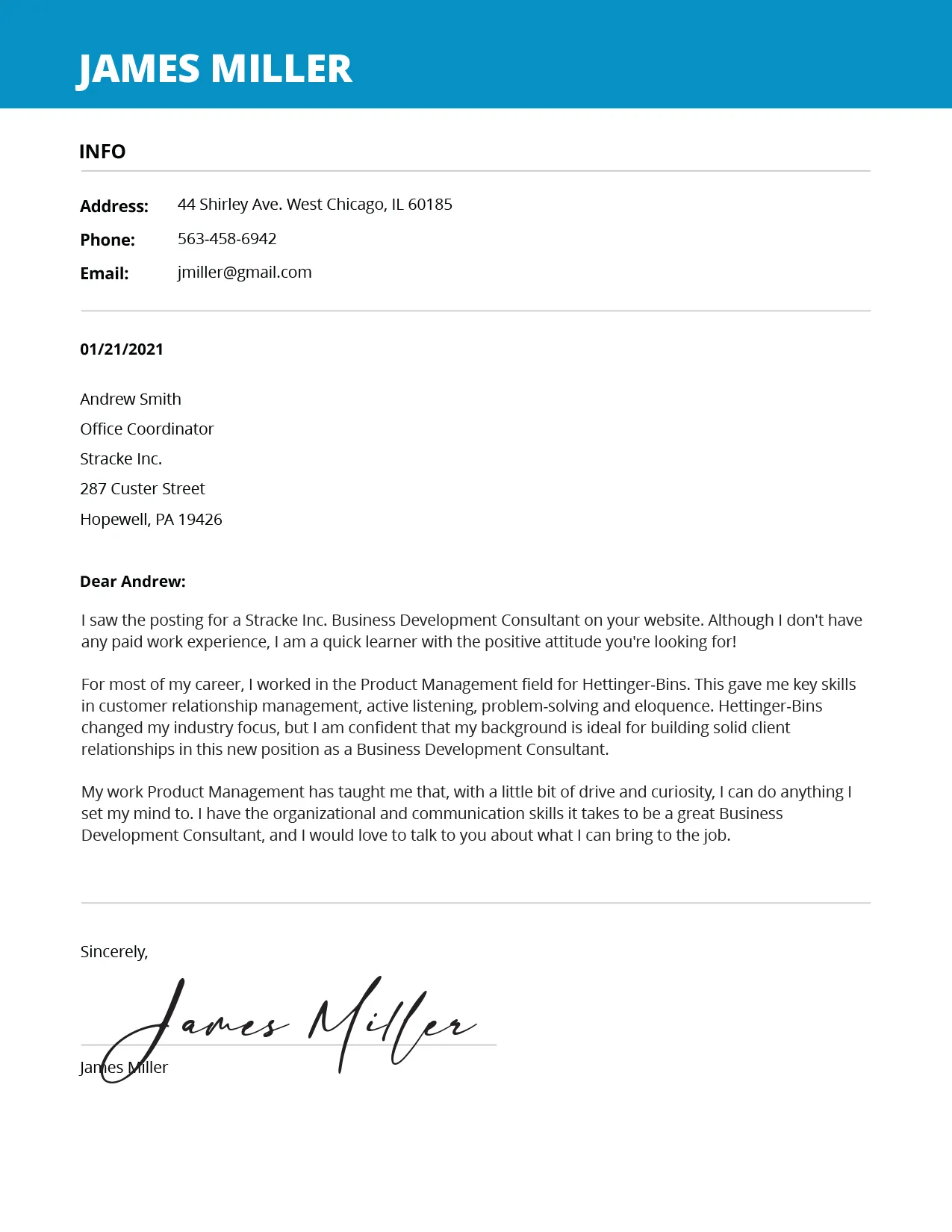
What is a Resume Cover Letter?
A resume cover letter is a crucial document that accompanies your resume when applying for jobs. It serves as your first introduction to a potential employer, providing an opportunity to showcase your personality, skills, and qualifications in a way that a resume alone cannot. Think of it as your personal sales pitch, designed to capture the hiring manager’s attention and persuade them to read your resume and consider you for the position. This letter allows you to elaborate on specific experiences and explain how your background aligns with the job requirements. It provides a space to express your enthusiasm for the role and the company, making a compelling case for why you are the ideal candidate. A well-crafted cover letter can significantly increase your chances of securing an interview and ultimately landing your dream job. It’s a key element in the job application process, giving you a chance to make a positive and memorable first impression.
Why Cover Letters Matter
In today’s competitive job market, cover letters are more important than ever. They offer you the chance to differentiate yourself from other applicants and demonstrate your genuine interest in the position. They enable you to highlight specific skills and experiences that are relevant to the job description, while also showing how your values align with the company’s culture. Many employers consider a cover letter a vital screening tool, using it to assess your communication skills, writing abilities, and attention to detail. A well-written letter can demonstrate your understanding of the role and the company’s needs, showcasing your ability to connect your qualifications to their requirements. Even if a job posting doesn’t explicitly request a cover letter, sending one can give you a competitive edge. It shows initiative and a commitment to the application process, indicating that you are willing to go the extra mile. Neglecting to include a cover letter, especially when requested, can be a missed opportunity to make a strong first impression and could lead to your application being overlooked.
Key Components of a Cover Letter

A compelling cover letter is structured strategically, comprising several key components. These elements work together to create a persuasive and impactful document. A well-structured letter will include a header with your contact information, a personalized greeting to the hiring manager, a strong opening paragraph that grabs their attention, a body that highlights your skills and experience in relation to the job requirements, and a concise closing paragraph that includes a call to action. Each section plays a vital role in conveying your qualifications, enthusiasm, and suitability for the position. Following a clear structure ensures your letter is easy to read and helps the hiring manager quickly grasp your key strengths and motivations. Pay attention to each part as it forms a cohesive narrative that tells a story about why you are the perfect fit for the role.
Header and Contact Information
Start your cover letter with a professional header that includes your full name, address, phone number, and email address. It is critical to use a professional email address and make sure the contact information is current. Include the date and the hiring manager’s name and title, along with the company’s name and address, if known. If you are applying online, ensure that the contact information in your cover letter matches what is provided on your resume. This section sets the stage for your letter, providing easy access to your contact details should the hiring manager wish to reach out to you. The header should be formatted in a clean and easy-to-read way, creating a professional and polished look. Ensure the formatting is consistent with your resume to maintain a cohesive application package.
The Opening Paragraph Grab Attention
The opening paragraph is your chance to make a strong first impression and capture the reader’s attention. Start by clearly stating the position you are applying for and where you found the job posting. Immediately grab their attention with a hook — a brief statement that highlights your passion for the role or the company. You could mention a key accomplishment or a specific skill that is relevant to the job. This initial paragraph should be concise and compelling, encouraging the hiring manager to continue reading. Avoid generic introductions. Instead, show your enthusiasm and enthusiasm to give a clear indication of your value proposition. Your goal is to pique their interest from the outset, demonstrating your understanding of the role and your eagerness to contribute to the organization.
Highlight Your Skills and Experience

The body of your cover letter is where you connect your skills and experience to the job requirements. Carefully review the job description and identify the key skills and qualifications the employer is seeking. Provide specific examples of your accomplishments and how they align with the job’s needs. Use strong action verbs to describe your achievements and quantify your results whenever possible. Structure this section by using bullet points to make it scannable and easy to read. Focus on the experiences that directly relate to the position, tailoring your examples to match the job description’s specific requirements. Explain how your background has prepared you for success in the role, emphasizing your understanding of the company’s needs and how you can provide value. Keep your paragraphs concise and targeted, ensuring that each point you make reinforces your qualifications.
Tailoring Your Letter for the Job
Customization is essential when crafting a cover letter. Avoid using a generic template. Take the time to research the company and the specific role, ensuring your letter demonstrates a clear understanding of their needs and values. Tailor your content to highlight the skills and experiences that are most relevant to the job description. Show how your qualifications align with the position’s requirements. Mention specific projects, achievements, or experiences that directly relate to the role. Customize your letter to fit the company’s culture, using language and examples that demonstrate your commitment to their mission. Tailoring your letter shows initiative, demonstrates your attention to detail, and increases your chances of making a lasting impression. Hiring managers can quickly tell when a cover letter is generic, so make every effort to make your letter unique and personalized.
Quantify Your Achievements
Whenever possible, use numbers and data to quantify your achievements. Provide concrete examples of your accomplishments. Instead of just saying you “managed projects,” provide specific data, such as “Managed projects, resulting in a 15% reduction in project completion time.” Quantifying your achievements makes your letter more compelling and demonstrates your ability to deliver results. Include relevant statistics, metrics, and data points to support your claims. For example, if you increased sales, provide the percentage or dollar amount. If you improved customer satisfaction, give the specific improvement percentage. Quantifying your accomplishments adds credibility to your claims, showing the impact you’ve made in previous roles. This practice helps potential employers understand your true value and the tangible benefits you can bring to their organization.
Express Enthusiasm and Interest

Show your genuine enthusiasm for the position and the company. Explain why you are interested in the role and what attracts you to the organization. Mention something specific that interests you about the company or the role. Your enthusiasm should be evident throughout the letter, from your opening paragraph to your closing statement. Demonstrate your understanding of the company’s mission and values and express your desire to contribute to their goals. Show how your skills and experience align with the company’s needs and how you can make a positive impact. Express your excitement about the opportunity to learn and grow within the organization. A genuine expression of interest will resonate with the hiring manager, making you a more memorable candidate.
The Closing Paragraph Call to Action
The closing paragraph is where you summarize your key qualifications, reiterate your enthusiasm, and include a clear call to action. Thank the hiring manager for their time and consideration. State your interest in an interview and indicate how you will follow up. Be specific about how you plan to follow up (e.g., by email or phone) and when. This final paragraph should reinforce your interest in the role and provide a sense of closure, leaving a lasting impression on the reader. Maintain a professional tone and reiterate your excitement about the opportunity. This step shows initiative and professionalism, increasing the likelihood of receiving a response. Close by politely requesting an interview to discuss your qualifications further. End with a professional closing such as “Sincerely” or “Best regards,” followed by your typed name.
Formatting and Design
The formatting and design of your cover letter are essential for creating a professional and polished document. Use a clean and easy-to-read font like Arial, Calibri, or Times New Roman, with a font size between 10 and 12 points. Maintain consistent formatting throughout the document, using clear and concise language. Use ample white space to make the letter visually appealing and easy to read. Use a single-spaced layout with a space between paragraphs. Keep the letter to one page to avoid overwhelming the hiring manager. Ensure that your letter is free of grammatical errors and typos. Before submitting, proofread it carefully and ask someone else to review it. Following these formatting and design guidelines will help you present yourself as a professional and detail-oriented candidate, making a positive first impression.
Proofreading and Editing

Thorough proofreading and editing are critical steps in creating a polished cover letter. Before submitting, carefully review your letter for any grammatical errors, spelling mistakes, and typos. Use a grammar checker to identify any potential issues, but don’t rely solely on it. Read the letter aloud to catch any awkward phrasing or unclear sentences. Make sure your tone is professional and consistent throughout the document. Have a friend or colleague review your cover letter. They can provide valuable feedback and identify any areas that need improvement. Take the time to review every detail to make sure that your letter accurately and effectively represents your qualifications. A polished cover letter shows that you have attention to detail. A well-edited letter significantly increases your chances of making a positive first impression and landing an interview. Never submit your cover letter without a thorough review.
Common Cover Letter Mistakes to Avoid
Avoid these common mistakes when writing your cover letter. Using generic language is a common pitfall. Tailor each letter to the specific job and company. Do not include unnecessary information, such as personal details that are not relevant to the role. Avoid using overly casual language or slang. Grammatical errors and typos can damage your credibility, so always proofread your letter carefully. Do not make the letter too long, aim for one page. Failing to address the letter to the hiring manager is also a common mistake. Research the company and find the right person to address the letter. These errors can easily undermine your application. By avoiding these mistakes, you can create a compelling cover letter that significantly improves your chances of getting hired. Always proofread carefully and tailor each letter to the job.
Examples of Effective Cover Letters
Review examples of effective cover letters to gain inspiration and guidance. Find examples of cover letters for different industries and job titles. Study their format, structure, and language. Analyze how the writers highlight their skills, experiences, and accomplishments. Pay attention to the way the writers tailor their letters to the specific job requirements. Use these examples to inform and improve your own writing, but avoid simply copying from a template. Instead, adapt the strategies you find. Use these examples as models to create your unique and compelling cover letter. These examples can give you a clear understanding of what makes a cover letter effective. They demonstrate how to showcase your qualifications and make a strong first impression. Use them to create your compelling cover letter that will make you stand out.