Why a Resume Cover Letter Matters
In today’s competitive job market, a resume cover letter is much more than just an optional addition – it’s a crucial tool that can significantly impact your chances of landing an interview. Think of it as your personal introduction, a chance to make a memorable first impression that goes beyond the facts and figures listed on your resume. It’s where you get to show your personality, enthusiasm, and unique value proposition. A well-crafted cover letter can set you apart from the sea of applicants, helping you to connect with the hiring manager on a personal level and demonstrate a genuine interest in the role and the company. By highlighting your relevant skills, experiences, and career aspirations, the cover letter allows you to create a narrative that complements your resume, making your application package a compelling whole. In short, a strong cover letter gives you the opportunity to tell your story, persuade the reader, and ultimately, secure an interview. It’s your first chance to shine, so make it count.
Highlighting Your Skills and Experience
Your cover letter is the ideal space to showcase your skills and experience in a way that resonates with the specific job requirements. While your resume provides a detailed overview, the cover letter allows you to emphasize the most relevant aspects of your background, connecting them directly to the needs of the employer. Start by carefully reviewing the job description and identifying the key skills and qualifications the company is seeking. Then, in your cover letter, provide specific examples of how you’ve successfully utilized these skills in past roles. Don’t just list your accomplishments; provide context and show the positive outcomes you achieved. Quantify your achievements whenever possible, using numbers and data to illustrate the impact you made. By demonstrating how your skills align with the job’s demands, you demonstrate your understanding of the role and your ability to contribute to the company’s success. This approach helps to create a clear picture of your value as a candidate, leaving a lasting impression on the hiring manager.
Crafting a Compelling Cover Letter

Crafting a compelling cover letter requires careful attention to detail, from the tone of your writing to the overall structure of your message. The goal is to create a narrative that captures the reader’s attention and persuades them to learn more about you. Begin by addressing the hiring manager by name, if possible, which demonstrates that you’ve done your research and are truly interested in the specific opportunity. In the opening paragraph, immediately state the position you’re applying for and express your enthusiasm for the role and the company. In the body of your letter, provide specific examples of your relevant skills and experiences, always focusing on the value you can bring to the employer. Use action verbs to describe your achievements, and quantify your results whenever possible. Moreover, adapt your tone and language to reflect the company’s culture, maintaining a balance between professionalism and your unique personality. Conclude by reiterating your interest, summarizing your key qualifications, and expressing your availability for an interview. This approach will create a cover letter that is not only informative but also engaging and memorable.
Top 7 Tips to Craft a Resume Cover Letter
Research the Company and Role
Before you begin writing, invest time in researching the company and the specific role you’re applying for. This will help you tailor your cover letter to their specific needs and demonstrate your genuine interest. Visit the company’s website and social media profiles to understand their mission, values, and recent achievements. Also, study the job description carefully to identify the key skills and qualifications the employer is seeking. This information will provide you with valuable insights that you can incorporate into your cover letter, showcasing how your skills and experience align with their requirements. Moreover, mentioning specific details about the company or the role in your letter will make your application stand out, as it shows that you’ve taken the time to understand their needs and are truly invested in the opportunity. This personalization is crucial in creating a compelling narrative that will capture the hiring manager’s attention.
Tailor Your Cover Letter to the Job

Avoid the mistake of sending a generic cover letter to every job you apply for. Tailoring your letter to each specific position is essential to showcasing your suitability and demonstrating your genuine interest. Carefully review the job description and identify the key skills, experiences, and qualifications the employer is seeking. Then, customize your cover letter to highlight how your background aligns with these requirements. Provide specific examples of your past accomplishments that demonstrate your ability to excel in the role, and use keywords from the job description to help your application pass through applicant tracking systems. This level of personalization shows that you’ve taken the time to understand the specific needs of the employer and are genuinely interested in the opportunity. Remember, a tailored cover letter will always make a stronger impression than a generic one, increasing your chances of landing an interview.
Showcase Your Achievements
Instead of merely listing your responsibilities, focus on showcasing your achievements in previous roles. Use your cover letter as an opportunity to highlight the results you’ve achieved and the positive impact you’ve made. Think about specific instances where you exceeded expectations, solved a problem, or contributed to a company’s success. Quantify your achievements whenever possible by using numbers, data, and metrics to illustrate the scope of your accomplishments. For example, instead of saying “Managed social media accounts,” you might say “Increased social media engagement by 30% within six months.” This approach provides concrete evidence of your abilities and demonstrates your value to potential employers. By showcasing your achievements, you’re not only presenting yourself as a capable candidate, but also illustrating the potential value you can bring to the role.
Use Strong Action Verbs
When describing your skills and experiences, use strong action verbs to make your cover letter more engaging and impactful. Action verbs help to create a dynamic and compelling narrative, showcasing your abilities in a clear and concise manner. Begin each bullet point or description with a strong action verb, such as “managed,” “led,” “developed,” “implemented,” or “achieved.” These verbs give your sentences a sense of purpose and convey that you’re a proactive and results-oriented individual. Instead of writing, “Responsible for managing projects,” try “Managed multiple projects, delivering them on time and under budget.” This approach makes your cover letter more memorable and helps the reader understand the value you bring to the table. Be consistent in your use of action verbs throughout your cover letter to create a powerful and persuasive impression.
Focus on the Employer’s Needs

While it’s essential to highlight your skills and experiences, remember to focus on the employer’s needs and how you can contribute to their success. The goal of your cover letter is to show how your skills align with the job requirements and how you can solve the company’s challenges. Tailor your letter to address the specific needs outlined in the job description, and provide examples of how you’ve tackled similar challenges in the past. Show the hiring manager that you understand the role and the company’s goals and that you’re confident in your ability to make a valuable contribution. By focusing on the employer’s needs, you demonstrate your commitment to their success and create a compelling reason for them to consider your application. Remember, the best cover letters are not just about what you’ve done but also about what you can do for the company.
Keep it Concise and Professional
Your cover letter should be concise, professional, and easy to read. Hiring managers are busy, so it’s essential to convey your message in a clear and succinct manner. Aim for a cover letter that is no more than one page long, and use a professional font and formatting. Avoid overly complex language and jargon, and use clear and concise sentences to get your points across. Structure your letter logically, with a clear introduction, body, and conclusion. Proofread your letter carefully to eliminate any grammatical errors or typos. Maintaining a professional tone and format will demonstrate your attention to detail and respect for the hiring manager’s time. By following these guidelines, you’ll create a cover letter that is not only informative but also professional and easy to read.
Proofread and Edit Meticulously
Before submitting your cover letter, proofread and edit it meticulously. Errors in grammar, spelling, and punctuation can create a negative impression and undermine your credibility. Take the time to carefully review your letter for any mistakes, and consider having a friend or family member read it over as well. Using spell-check and grammar-check tools is helpful, but don’t rely on them entirely. Pay close attention to sentence structure, word choice, and overall clarity. Correct any typos, and ensure that your writing is clear, concise, and professional. A polished cover letter demonstrates your attention to detail and your commitment to excellence, which are essential qualities for any job seeker. By taking the time to proofread and edit your cover letter, you’ll increase your chances of making a positive impression and securing an interview.
Formatting Your Cover Letter for Impact

Cover Letter Template Structure
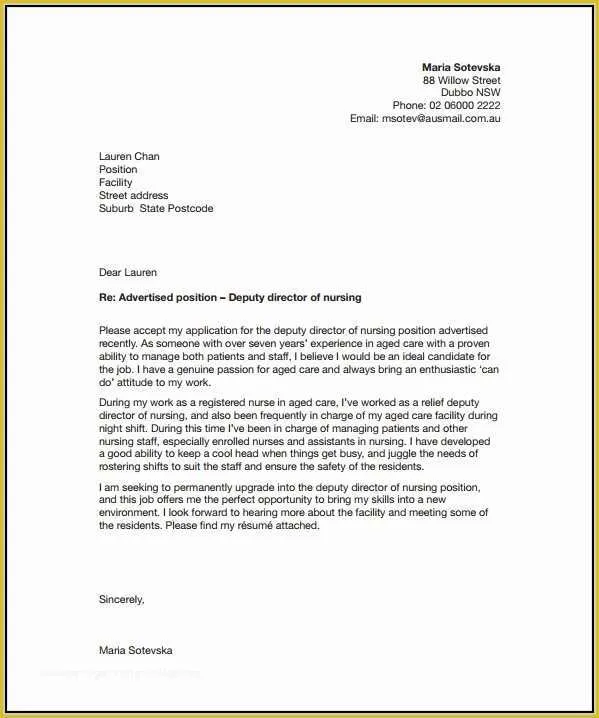
Following a standard cover letter template will help you to organize your thoughts and present yourself in a professional manner. There are several templates available online, but all generally include a similar structure. The standard format typically begins with a header containing your contact information, followed by the date, and the recipient’s information. The body of the cover letter usually includes an opening paragraph, a few body paragraphs highlighting your relevant skills and experiences, and a closing paragraph. Ensure the format is visually appealing and easy to read. Choose a professional font, such as Times New Roman, Arial, or Calibri, and maintain consistent formatting throughout the document. Breaking up your text with white space and using bullet points or numbered lists can also improve readability. A well-structured cover letter not only conveys your message effectively but also shows the hiring manager that you understand professional communication standards.
Header and Contact Information
The header of your cover letter is the first thing a hiring manager sees, so it’s crucial to present your contact information clearly and accurately. Start by including your full name, address, phone number, and email address. This information allows the hiring manager to easily contact you if they’re interested in scheduling an interview. Make sure your contact information is up to date and professional. Use a professional email address, and double-check that your phone number is correct. Consider including a link to your LinkedIn profile or online portfolio, if applicable, to provide the hiring manager with additional information about your skills and experience. The header should also include the date and the recipient’s information, such as their name, title, and company address. Including all of this essential information upfront ensures that your cover letter is easy to read and contains all the necessary details for communication.
The Opening Paragraph

The opening paragraph of your cover letter is your first opportunity to capture the reader’s attention and make a strong impression. This is where you introduce yourself, state the specific position you’re applying for, and briefly explain why you’re interested. Begin by addressing the hiring manager by name, if possible. Then, clearly state the job title and where you saw the job posting, such as on the company website or a job board. In your opening, express your enthusiasm for the role and the company, and briefly mention what attracted you to the opportunity. You can also include a brief statement of your most relevant qualifications or experience to immediately grab the reader’s attention. Make sure your opening is concise, engaging, and tailored to the specific job and company. This initial paragraph sets the tone for your entire letter, so make it count.
Body Paragraphs for Maximum Impact
The body paragraphs of your cover letter are where you elaborate on your skills, experiences, and achievements, providing concrete examples of your qualifications. In these paragraphs, demonstrate how your background aligns with the requirements of the job and the needs of the company. Tailor each paragraph to address specific points from the job description, and use the STAR method (Situation, Task, Action, Result) to provide context, explain your role, describe the actions you took, and highlight the positive outcomes. Support your claims with quantifiable data whenever possible. For instance, instead of stating that you “improved customer satisfaction,” you could write “Increased customer satisfaction scores by 15% by implementing a new training program.” Be sure to use action verbs and focus on the benefits you brought to your previous employers. Ensure your paragraphs are well-organized and easy to read, using clear and concise language to convey your message effectively.
Closing Your Cover Letter
The closing paragraph of your cover letter is your opportunity to summarize your key qualifications, express your interest in the opportunity, and thank the hiring manager for their time and consideration. Reiterate your enthusiasm for the role and the company and emphasize how your skills and experiences align with their needs. State your availability for an interview and provide your contact information again. End with a professional closing, such as “Sincerely” or “Best regards,” followed by your full name. Ensure your closing is concise, polite, and leaves a positive final impression. Proofread your entire cover letter before submitting to make sure all your information is accurate and the overall tone is appropriate.
Common Cover Letter Mistakes to Avoid

To increase your chances of making a strong impression, it’s essential to avoid common cover letter mistakes. One of the most critical errors is sending a generic cover letter that isn’t tailored to the specific job. Always customize your letter to match the requirements and demonstrate genuine interest in the company. Another mistake is including irrelevant information or being overly long. Keep your cover letter concise, focusing on the most relevant skills and experiences. Avoid using clichés, jargon, or negative language, and always proofread your letter carefully for grammatical errors and typos. Failing to follow the employer’s instructions or neglecting to include a call to action can also be detrimental. Remember to maintain a professional tone throughout the letter and avoid making any negative comments about your previous employers. By avoiding these common pitfalls, you’ll increase your chances of creating a cover letter that stands out and helps you land an interview.