Understanding the Resume Cover Letter Format
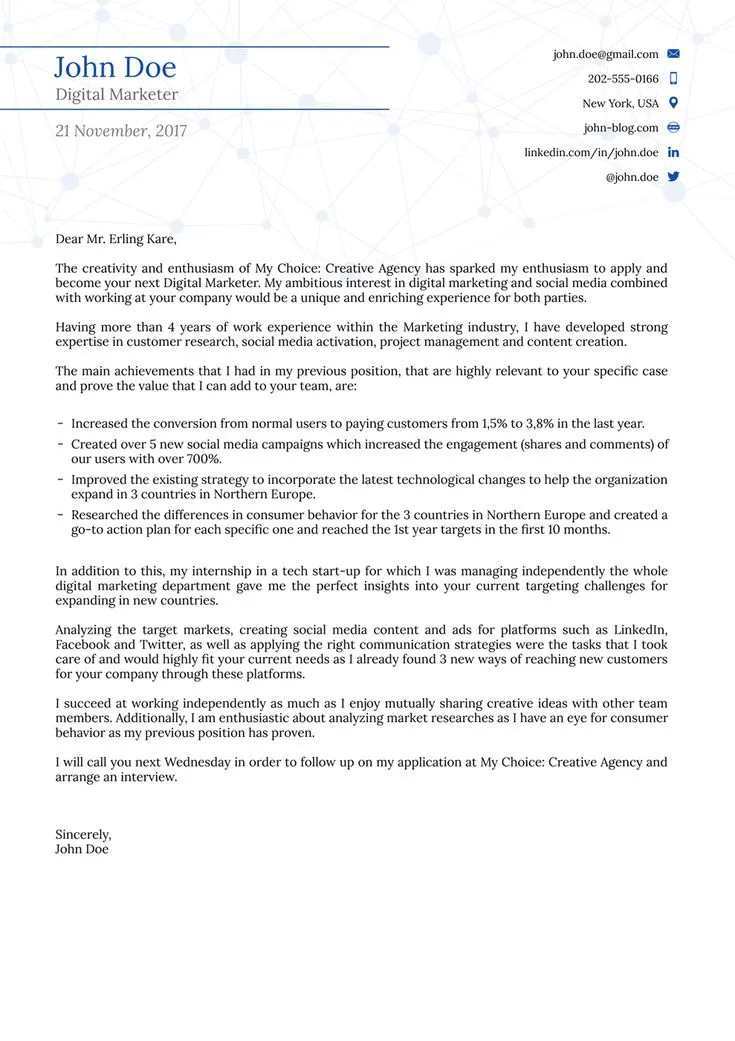
A cover letter is a crucial document that accompanies your resume when applying for jobs. It serves as your introduction to the hiring manager, providing an opportunity to showcase your personality, skills, and enthusiasm for the position. Unlike a resume, which presents a factual overview of your experience, a cover letter allows you to tell a story, explaining why you are the ideal candidate and how your qualifications align with the specific job requirements. A well-crafted cover letter can significantly increase your chances of getting an interview, while a poorly written one can lead to your application being overlooked. Therefore, understanding the proper cover letter format is essential for making a positive first impression and standing out from other applicants. The format should be professional, easy to read, and tailored to the specific job and company.
Importance of a Cover Letter
The importance of a cover letter cannot be overstated in the job application process. It provides a platform to elaborate on your resume and highlight your key skills and experiences in a way that a resume alone cannot. It allows you to express your genuine interest in the company and the specific role, demonstrating that you have done your research and understand the company’s mission and values. A strong cover letter also helps you to connect with the hiring manager on a more personal level, showcasing your communication skills and personality. It is an opportunity to address any potential gaps in your resume, such as career changes or employment breaks, and to explain how your skills and experience align with the job requirements. In a competitive job market, a well-written cover letter can be the deciding factor in whether you get an interview or your application is rejected, making it an invaluable tool in your job search strategy. Without a well-formatted cover letter, you might miss out on opportunities and present a lack of professionalism to the hiring managers.
Key Components of a Cover Letter

A well-structured cover letter follows a standard format that includes several key components. These components work together to present a compelling case for your candidacy. Understanding these elements is key to constructing an effective cover letter that captures the reader’s attention. The core components ensure the information is delivered efficiently and professionally.
Header
The header of your cover letter includes your contact information and the date. This section ensures that the recipient knows how to reach you. Typically, the header is aligned to the left or centered and includes your full name, phone number, email address, and sometimes your LinkedIn profile URL. The date should be placed below your contact information, and should be the date you are sending the letter. This simple addition gives the recipient an easy way to reach out, as well as showing the document’s timestamp.
Contact Information
Your contact information within the header should be professional and up-to-date. Include your full name, address, phone number, and a professional email address. Avoid using nicknames or informal email addresses. Ensuring that your contact information is correct is critical, as this is how the employer will reach you if they are interested in your application. This section is the first thing a hiring manager sees, and it must be accurate and easy to find.
Date

The date on your cover letter is the day you are submitting your application. It should be placed immediately below your contact information. This helps the recipient understand when the letter was written. The date is important because it shows the timeliness of your application and can be useful for record-keeping.
Recipient’s Information
Directly below the date, include the recipient’s information. If possible, address the letter to a specific person (the hiring manager or recruiter) by name. Research the company to find the appropriate contact person. If you can’t find a specific name, use a professional title like ‘Hiring Manager.’ This personalization shows that you have done your research and are genuinely interested in the position. If you can’t determine who the hiring manager is, you can use a general title such as ‘Dear Hiring Team’ or ‘Dear [Department Name] Team.’
Salutation
Start your cover letter with a professional salutation. Use ‘Dear Mr./Ms./Mx. [Last Name]’ if you know the hiring manager’s name. If you don’t know the name, use ‘Dear Hiring Manager’ or ‘Dear [Department Name] Team’. Avoid generic greetings like ‘To Whom It May Concern.’ A personalized salutation sets a professional tone and shows respect for the reader. Proper greetings can make a positive first impression.
Body Paragraphs

The body paragraphs are the heart of your cover letter. These paragraphs should be well-organized and concise, providing a narrative that supports your application. They should highlight your skills, experiences, and how they align with the job requirements. The body typically includes three paragraphs, each with a specific purpose.
First Paragraph
The first paragraph should state the purpose of your letter — the specific position you are applying for and where you found the job posting. It should also capture the reader’s attention with a brief statement about your interest in the role and the company. This paragraph should immediately establish the context for your application.
Second Paragraph
The second paragraph is the most important part of your cover letter. This is where you demonstrate your skills and experience. Provide specific examples of how your qualifications align with the job requirements. Use action verbs to describe your accomplishments and quantify your achievements whenever possible. Tailor this paragraph to the specific job description, highlighting the skills and experiences most relevant to the role. This paragraph needs to be impactful so the hiring manager will continue reading.
Third Paragraph

In the third paragraph, reiterate your interest in the position and the company. Explain why you are a good fit for the role, summarizing your key qualifications. Express your enthusiasm for the opportunity and briefly mention what you hope to achieve in the role. This paragraph should end with a call to action, expressing your willingness to discuss your qualifications further and thanking the hiring manager for their time and consideration.
Closing
The closing of your cover letter should be professional and courteous. It should provide a sense of finality and leave the reader with a positive impression.
Complimentary Close
Use a professional complimentary close such as ‘Sincerely,’ ‘Best regards,’ or ‘Yours sincerely.’ Avoid informal closings like ‘Thanks’ or ‘Cheers.’ Ensure your closing is followed by a comma.
Signature

Leave space for your handwritten signature if you are submitting a printed copy of your cover letter. If submitting electronically, type your full name below the complimentary close. Your signature adds a personal touch and shows professionalism.
Formatting Tips for Impact
Effective formatting is crucial for making your cover letter easy to read and visually appealing. Proper formatting helps the hiring manager quickly grasp the key information and makes a positive first impression. Consider these tips to make your letter stand out.
Font Selection
Choose a professional and readable font such as Times New Roman, Arial, Calibri, or Helvetica. The font size should be between 10 and 12 points. Avoid using overly decorative or unusual fonts that can be difficult to read. Consistency in font choice is key throughout the document.
Margins and Spacing

Use standard 1-inch margins on all sides of the document. Double-space between paragraphs and single-space within paragraphs. Proper spacing ensures that the letter looks clean and organized, making it easier for the reader to scan. Avoid overcrowding the page, as this can make your letter appear less appealing.
Length Considerations
Keep your cover letter concise and to the point. Aim for one page. Avoid excessive length, as hiring managers often have many applications to review. Focus on conveying your key qualifications and enthusiasm in a clear and concise manner.
Proofreading and Editing
Proofread your cover letter carefully for any grammatical errors, spelling mistakes, and typos. Have a friend or family member review it as well. Errors can create a negative impression. Use grammar and spell-check tools, but also read the letter aloud to catch any awkward phrasing or inconsistencies. Ensure your language is professional and polished.
Tailoring Your Cover Letter
Tailoring your cover letter to each job application is essential. It shows that you are genuinely interested in the specific role and have taken the time to understand the company’s needs. A generic cover letter will likely be overlooked, while a tailored one will demonstrate your commitment and attention to detail. This requires some work but it’s worth it.
Highlighting Relevant Skills
Carefully review the job description and identify the key skills and qualifications the employer is seeking. In your cover letter, highlight the skills and experiences that align with these requirements. Use the same keywords and phrases from the job description to make it clear that you are a good fit for the role. Provide specific examples of how you have demonstrated these skills in previous roles or projects.
Quantifying Achievements
Whenever possible, quantify your achievements with specific numbers and data. For example, instead of saying ‘Improved sales,’ state ‘Increased sales by 15% in one quarter.’ Quantifying your accomplishments provides concrete evidence of your abilities and helps the hiring manager understand the value you can bring to the company. Use metrics to demonstrate the impact you have made in previous roles.
Examples of Effective Cover Letters
Reviewing examples of effective cover letters can provide inspiration and guidance. Look for examples that are tailored to specific industries and job roles. Analyze the structure, language, and tone used in these examples. Note how the candidates highlight their skills and experiences and how they express their interest in the company. By studying different examples, you can gain a better understanding of what makes a cover letter compelling and successful.
Cover Letter Templates and Resources
Many online resources and templates can help you create a professional cover letter. Use these resources to save time and ensure your letter meets the required standards. However, remember to customize the template to fit your unique qualifications and the specific job requirements. Adapt the template to reflect your personality and make it your own.
In conclusion, mastering the resume cover letter format is crucial for a successful job application. By following the tips outlined above, you can create a compelling cover letter that highlights your skills, experiences, and enthusiasm, making you a strong candidate for the role. Remember to tailor your letter to each job, proofread carefully, and present yourself in a professional manner. With a well-crafted cover letter, you can significantly increase your chances of landing an interview and achieving your career goals.