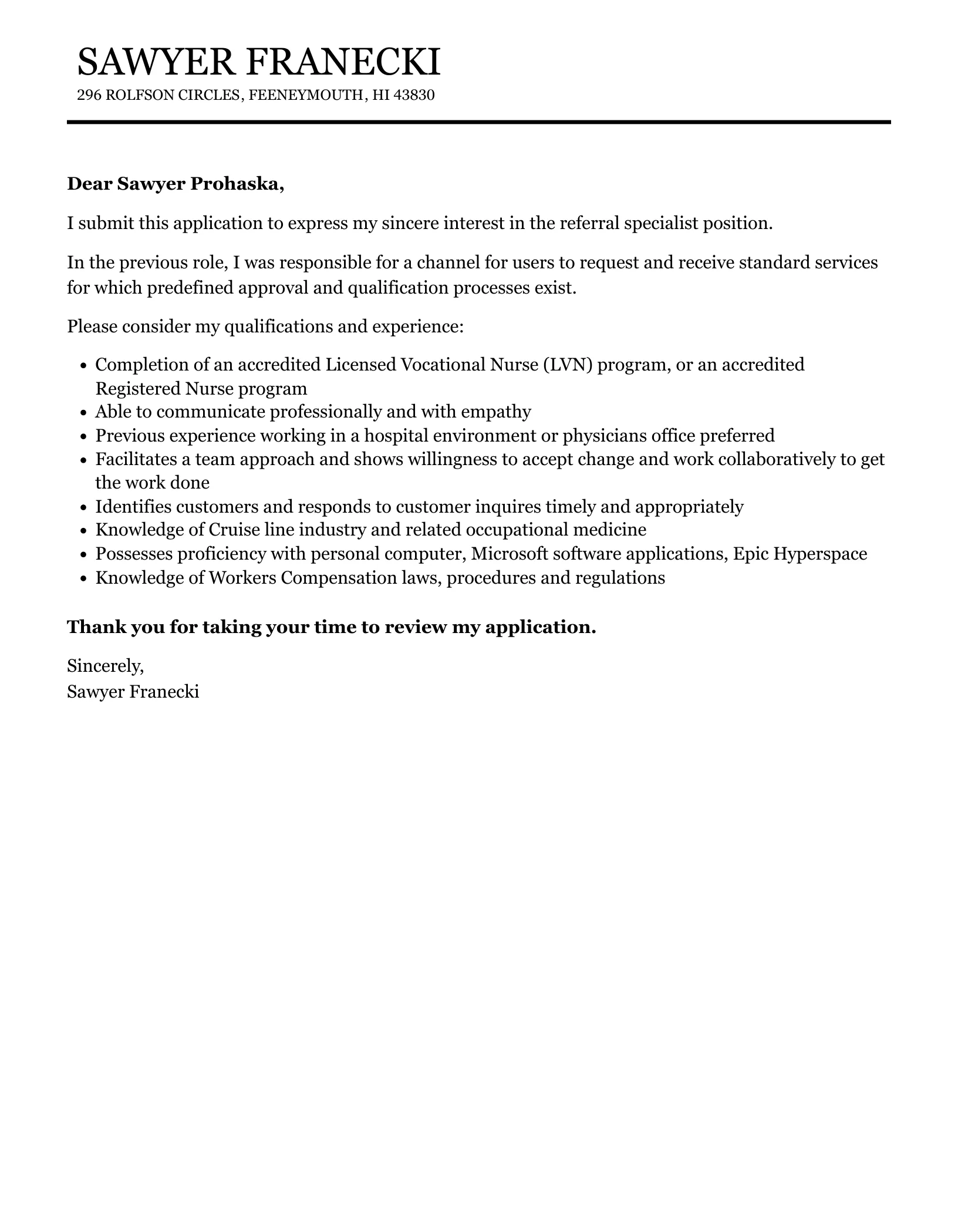
What is a Referral Cover Letter
A referral cover letter is a crucial document in your job application process. It’s a customized letter you submit along with your resume when you’ve been referred for a job opening by someone within the company. This letter serves the purpose of not only introducing yourself to the hiring manager, but also leveraging the credibility of the person who referred you. Unlike a standard cover letter, a referral cover letter explicitly mentions the referrer, which can significantly increase your chances of getting noticed and considered for the role. It’s a strategic approach to stand out from the crowd and make a positive first impression.
Benefits of Using a Referral
Using a referral can provide several advantages in your job search. It’s a powerful tool that can accelerate your application process and increase your likelihood of success. Here’s a breakdown of the benefits:
Increased Chances of Getting Hired

Referrals often receive preferential treatment. Hiring managers trust the judgment of their current employees, so a referral can boost your application to the top of the pile. Companies often value referrals because they lead to a higher quality of hire and reduce the time-to-hire.
Demonstrates Proactive Approach
Seeking a referral shows that you’re actively networking and willing to go the extra mile. It demonstrates initiative and a proactive approach to your job search, which are attractive qualities to potential employers. This initiative indicates your commitment to securing the position and your ability to build relationships.
Faster Application Process
Referrals can often bypass the initial screening stages, leading to a quicker review of your application. This can significantly reduce the time it takes to get your resume and cover letter in front of the hiring manager. This is especially true in larger companies, where the volume of applications can be overwhelming.
Key Components of a Referral Cover Letter

A well-crafted referral cover letter should include specific elements to make it effective. These components work together to highlight your qualifications and leverage the referral. These are the elements that make up a successful referral cover letter.
Your Contact Information
Start with your contact information at the top of the letter including your name, phone number, email address, and LinkedIn profile URL, if applicable. This makes it easy for the hiring manager to reach you. Ensure your contact information is accurate and professional.
Recipient’s Contact Information
Include the hiring manager’s name, title, company name, and address. If you don’t know the hiring manager’s name, try to find it on LinkedIn or the company website. Addressing the letter to a specific person is more personal and effective.
Salutation

Use a professional salutation, such as “Dear Mr. / Ms. [Last Name],” or “Dear Hiring Manager.” If you know the hiring manager’s name, always use it. If you don’t, a general salutation is fine, but personalize it when possible.
Mention the Referral
Clearly state that you were referred and by whom. For example, “I am writing to express my interest in the Software Engineer position, as recommended by [Referrer’s Name].” This immediately alerts the hiring manager to the referral.
Why You’re a Good Fit
Briefly explain why you are a good fit for the role. Connect your skills and experience to the job requirements. Show that you understand the company and the position’s needs. Highlight your enthusiasm for the opportunity.
Highlight Relevant Skills and Experience

Focus on the skills and experience that are most relevant to the job. Use keywords from the job description. Provide specific examples of your accomplishments that demonstrate your abilities. This makes your qualifications clear.
Express Enthusiasm
Show your genuine interest in the company and the position. Express your excitement about the opportunity. Demonstrate your understanding of the company’s mission and values. Convey your passion for the work.
Call to Action
Conclude by expressing your interest in an interview. Thank the hiring manager for their time and consideration. Provide your contact information again. Make it easy for them to take the next step.
Formatting Your Referral Cover Letter

Formatting your referral cover letter correctly can enhance its readability and professionalism. Simple formatting choices can significantly impact how your letter is perceived by the hiring manager. Consider the following formatting guidelines.
Font and Font Size
Use a professional font like Times New Roman, Arial, or Calibri. Maintain a font size between 10 and 12 points for easy readability. Ensure consistency throughout the entire document. Avoid unusual or overly decorative fonts.
Margins and Spacing
Set margins to 1 inch on all sides. Use single or 1.15 line spacing. Add a blank line between paragraphs for better readability. Proper spacing makes the letter visually appealing.
How to Find Referrals

Finding referrals can involve a bit of networking and research. The more effort you put into connecting with people, the better your chances of securing a referral. Here’s how to identify potential referral sources.
Networking with Professionals
Reach out to your professional network, including former colleagues, classmates, and industry contacts. Inform them of your job search and the types of roles you’re interested in. Ask if they know anyone at companies you’re targeting who might be able to refer you. Networking is a key part of finding and securing referrals.
Company’s Website
Check the “Careers” or “Join Our Team” section of the company’s website. Some companies have referral programs where employees can refer candidates. Look for information about this or any specific instructions for applying through a referral. This can guide you on the referral process.
Use LinkedIn to identify people who work at the companies you’re interested in. Look for connections, and if you have mutual contacts, ask for an introduction. Search for employees in your network. It can often lead to helpful contacts and referrals.
Seeking Referral from a Contact
Once you have identified a potential referrer, it’s time to reach out and ask for their assistance. This step requires a thoughtful approach and a clear understanding of how to make your request. Here’s how to proceed.
Reach out to your network
Identify individuals within your network who currently work at the company or have a connection to it. Consider former colleagues, friends, or acquaintances who might have relevant insights. Send a personalized message or email explaining your interest in a specific role or company and politely request a referral.
Prepare what you want to say
Before contacting your potential referrer, prepare the information you want to share. This includes your resume, a brief summary of your qualifications, and the specific role you are applying for. Make it easy for them to endorse you. This helps them speak to your strengths effectively.
Sending a Professional Email
Keep your email concise and professional. Start by reminding the contact of your relationship. Clearly state the reason for your email and the role you are applying for. Attach your resume and cover letter. Express your gratitude and provide any other relevant details. Offer to provide more information if needed.
Referral Cover Letter Examples
Reviewing examples of referral cover letters can provide valuable insights into how to structure and tailor your own letter effectively. By studying these models, you can learn how to articulate your qualifications and highlight the referral in a compelling manner. Here are a few examples.
Example 1 Software Engineer
Dear [Hiring Manager Name],
I am writing to express my interest in the Software Engineer position at [Company Name], as recommended by [Referrer’s Name]. I have been working with [Referrer’s Name] on [Project Name] and had the opportunity to see him excel. With my expertise in [mention a specific skill like Python or Java] and experience in developing and deploying scalable applications, I am confident I can make significant contributions to your team. I am impressed by [Company Name]’s commitment to innovation and believe my skills and experience align with your needs. Thank you for your time and consideration. I look forward to hearing from you soon.
Sincerely, [Your Name]
Example 2 Marketing Specialist
Dear [Hiring Manager Name],
I am writing to apply for the Marketing Specialist position at [Company Name], as recommended by [Referrer’s Name]. [Referrer’s Name] has spoken highly of the company culture and opportunities for growth. With a proven track record of developing and executing successful marketing campaigns. I am skilled in [mention a specific skill like social media marketing or SEO] and adept at driving engagement and increasing brand awareness. I am particularly drawn to [Company Name]’s focus on [mention something specific about the company]. Thank you for considering my application. I am eager to discuss how I can contribute.
Sincerely, [Your Name]
Example 3 Project Manager
Dear [Hiring Manager Name],
I am writing to express my interest in the Project Manager position at [Company Name], as I was referred by [Referrer’s Name]. [Referrer’s Name] thought my experience in managing complex projects would be a good fit for the role. With over five years of experience in project management and a proven ability to deliver projects on time and within budget. I am proficient in methodologies such as Agile and Waterfall and experienced in cross-functional team leadership. I am impressed by [Company Name]’s commitment to innovation and believe my skills and experience align with your needs. Thank you for your time and consideration. I look forward to hearing from you soon.
Sincerely, [Your Name]
Common Mistakes to Avoid
While writing a referral cover letter can be a powerful tool in your job search, there are common mistakes that can undermine your efforts. Being aware of these pitfalls will help you avoid them, making your letter more effective. Here are mistakes to avoid:
Generic Letters
Avoid sending a generic cover letter. Customize each letter to the specific job and company. Address the letter to the hiring manager by name. Tailor the content to the job description. Show that you have done your research and understand the company’s needs. This shows that you put in the extra effort to show that you are genuinely interested in the role.
Ignoring the Referral Source
Don’t forget to mention the person who referred you, and acknowledge their recommendation. Referrals are important, and the hiring manager needs to know how you were introduced. Failing to mention the referral defeats the purpose of the letter. Make the reference clear and upfront.
Failing to Proofread
Proofread your letter carefully for any grammatical errors, typos, and formatting issues. Errors can create a negative impression and undermine your credibility. A polished and error-free letter shows attention to detail and professionalism. Use grammar and spelling check tools, and ask someone else to review the letter.
Conclusion
A referral cover letter is a potent tool for advancing your job search. By understanding its purpose, key components, and how to find referrals, you can significantly increase your chances of getting hired. Remember to tailor your letter to each job, highlight relevant skills, and express genuine enthusiasm. By avoiding common mistakes and following these guidelines, you’ll create a compelling cover letter that opens doors to exciting career opportunities. Using a referral intelligently can be your key to unlocking new career paths and realizing your professional ambitions. Consider the referral cover letter as a crucial first step in your journey towards a new job.