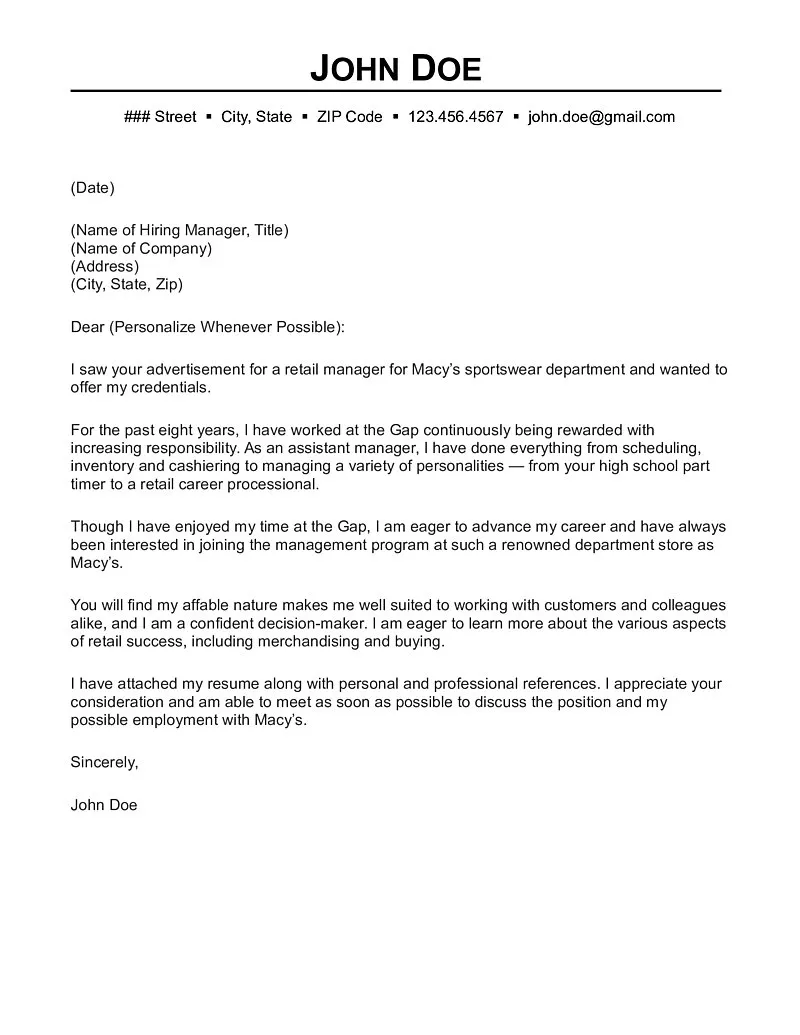
The Importance of a Purchase Manager Cover Letter
A Purchase Manager cover letter is your first introduction to a potential employer, playing a pivotal role in setting the tone for your application. It’s not just a formality; it’s a crucial marketing tool that can significantly impact your chances of landing an interview. In a competitive job market, a well-crafted cover letter is essential to stand out. It gives you the opportunity to showcase your unique qualifications, skills, and experience in a way that a resume alone cannot. A strong cover letter highlights your personality, your understanding of the role, and your genuine interest in the company. By thoughtfully addressing the employer’s needs and demonstrating how your skills align with their requirements, you can substantially increase your chances of being considered for the position. Neglecting this step could lead to your application being overlooked, regardless of your qualifications.
Key Elements of a Purchase Manager Cover Letter
To create a compelling purchase manager cover letter, several key elements are crucial. First, begin with your contact information and the date, followed by the hiring manager’s information. A professional salutation is essential; address the hiring manager by name if possible. The opening paragraph should be engaging, briefly stating your purpose for writing and capturing the reader’s attention. The body of the letter should highlight your relevant skills and experience, providing specific examples of your achievements. Quantify your accomplishments whenever possible to demonstrate the value you brought to previous roles. It is crucial to showcase your knowledge of procurement processes and mention any company research you have conducted. Your cover letter should conclude with a strong call to action, such as requesting an interview. Remember to proofread and format your letter meticulously to avoid common mistakes. Finally, consider providing references and information on how to follow up.
Your Contact Information and the Date

Begin your cover letter by including your full name, address, phone number, and email address at the top left or right corner of the document. Ensure this information is accurate and up-to-date. Immediately below your contact information, add the date. This date is significant, as it shows when the letter was written and helps the employer organize their records. Using a clear and professional font ensures your contact information is easily readable. Your contact information allows the hiring manager to quickly and efficiently contact you if they want to arrange an interview. Make sure that your email address sounds professional, avoid using nicknames or casual email addresses. Confirming the correct format and information here sets a professional tone right from the start.
The Hiring Manager’s Information
Directly below the date, on the left side of the page, include the hiring manager’s name, title, the company’s name, and the company’s address. Always try to find out the name of the hiring manager. Addressing the letter to a specific person demonstrates your attention to detail and initiative, which are valuable qualities in a purchase manager. You can often find this information on the company’s website, LinkedIn, or the job posting. If you cannot find the hiring manager’s name, use a general salutation, such as ‘Dear Hiring Manager’. Providing this information shows you understand the proper business etiquette and professionalism that can impress potential employers.
Professional Salutation
A professional salutation is essential for starting your cover letter on the right foot. The most common and preferred salutation is ‘Dear Mr./Ms./Mx. [Last Name]’. If you know the hiring manager’s name, using this personal touch immediately creates a positive impression. If you’re unsure of the hiring manager’s gender or name, alternatives include ‘Dear Hiring Manager’ or ‘Dear [Company Name] Hiring Team’. Avoid casual salutations like ‘Hi’ or ‘Hello’ as they are less professional. Make sure the salutation aligns with the rest of your cover letter’s tone, which should be formal and respectful. Correct spelling and titles are very important. Your salutation sets the tone for the rest of your letter and shows that you value the time and consideration of the person reading it.
Crafting a Compelling Opening Paragraph

Your opening paragraph is crucial as it’s the first impression you make on the hiring manager. It should immediately capture their attention and clearly state your purpose for writing. Start by mentioning the position you are applying for, ensuring clarity. Briefly state where you found the job posting and any connection you have to the company, if applicable. The opening paragraph should be concise and directly relevant to the job. Consider summarizing your most relevant qualifications in one or two sentences. This paragraph is your chance to immediately engage the reader and encourage them to continue reading. You need to demonstrate why you’re a good fit. Aim for a confident and enthusiastic tone that reflects your interest in the role and the company. Do not use a generic opening, personalize it.
Highlighting Relevant Skills and Experience
In the main body of your cover letter, focus on highlighting your skills and experience most relevant to the purchase manager position. Review the job description carefully to identify the key requirements and tailor your letter accordingly. Provide specific examples of how you’ve used your skills to achieve results in the past. For each skill or experience you mention, briefly explain the situation, the actions you took, and the results you achieved. Use action verbs to describe your contributions and showcase your abilities. Be specific; vague statements are less convincing. Provide quantifiable achievements such as cost savings, improved efficiency, or successful negotiation outcomes, to demonstrate your value. Ensure your experience aligns with the needs of the employer to show that you understand the role. This section should emphasize your relevant accomplishments.
Demonstrating Achievements and Quantifiable Results
When detailing your achievements, it’s critical to provide quantifiable results that support your claims. Instead of simply saying you reduced costs, state the percentage or dollar amount of savings achieved. For example, “Reduced procurement costs by 15% within one year through strategic vendor negotiations.” Similarly, if you improved efficiency, indicate how much time you saved or how many more purchases you managed. Use numbers and data to make your accomplishments concrete and measurable. This approach demonstrates that you have a track record of delivering results and can provide a return on investment for the company. Include specific examples to make your claims more believable and relevant to the role you are applying for. Highlighting your successes in this manner shows hiring managers how you add value to the company.
Showcasing Your Knowledge of Procurement Processes

A successful purchase manager should have a thorough understanding of procurement processes. In your cover letter, demonstrate your familiarity with key areas such as sourcing, negotiation, contract management, and vendor relationship management. Mention specific processes, such as competitive bidding, request for proposals (RFPs), or supply chain optimization, where you have experience. Explain how you have improved these processes in previous roles. Highlight your expertise in areas like inventory management, cost control, and risk management. If you have any relevant certifications, such as a Certified Professional in Supply Management (CPSM), be sure to include them. Showing that you understand procurement processes shows you are capable of managing the complex requirements of a purchase manager position and that you are qualified for the role.
Mentioning Company Research and Expressing Interest
Before you write your cover letter, perform some research on the company and integrate your findings into your letter. Mention specific company projects, values, or achievements that resonate with you. Showing that you understand the company’s mission and the industry will demonstrate your genuine interest in the position. Explain why you want to work for the company and what attracts you to the role. This may include the company’s culture, values, or specific projects. Tailor your letter to address the employer’s needs and values to show you understand what the company is looking for in an employee. Be specific about why you believe you would be a great fit and what contributions you can make. The company will know that you are serious about the opportunity, and the hiring manager will value the effort to research the company.
Concluding the Cover Letter with a Strong Call to Action
Your closing paragraph is your final opportunity to leave a lasting impression. It should reiterate your interest in the position and thank the hiring manager for their time and consideration. Clearly state your desire for an interview and specify your contact information to facilitate the process. A call to action encourages the reader to take the next step. This could include inviting the hiring manager to contact you for further information or providing a specific date you will follow up. The final paragraph should convey your enthusiasm, confidence, and eagerness to discuss your qualifications further. End your letter with a professional closing such as “Sincerely” or “Respectfully,” followed by your full name. Make your closing paragraph memorable and focused on moving the application process forward.
Proofreading and Formatting Your Cover Letter

Proofreading and formatting are crucial for a polished, professional cover letter. Carefully review your letter for any spelling, grammar, or punctuation errors. Use a spell-checker tool, but also read the letter aloud to catch any mistakes you might have missed. Ensure your letter has a clean, easy-to-read format. Use a standard font, such as Times New Roman or Arial, and maintain consistent font sizes throughout the document. Use clear headings and subheadings to break up large blocks of text. Ensure that your letter is well-organized and easy to follow. The formatting should enhance readability and professionalism. Having a clean and well-formatted letter will improve the hiring manager’s perception of your attention to detail. It shows respect for the hiring manager’s time and demonstrates that you take your application seriously.
Common Mistakes to Avoid
When crafting your cover letter, several common mistakes can undermine your application. Avoid generic, mass-produced cover letters; personalize each letter to the specific role and company. Do not simply repeat your resume; instead, use the cover letter to elaborate on specific achievements and demonstrate your fit for the role. Do not include irrelevant information or overly long paragraphs. Keep the letter concise and focused on the job requirements. Avoid using slang or informal language, as this reflects poorly on your professionalism. Refrain from negative comments about previous employers or any unnecessary personal details. Proofread the letter meticulously to avoid any spelling or grammatical errors. These mistakes can immediately lead to your application being rejected. By avoiding these pitfalls, you can increase your chances of making a positive impression.
Providing References and Additional Information
While not always required, it’s a good practice to provide information about references or state that references are available upon request. If the job posting specifically asks for references, include them with their contact information. If not, you can state, ‘References available upon request.’ You could also mention any additional relevant certifications, such as project management or negotiation skills, in a separate section. If there are specific skills or qualifications that are not covered in your resume but are relevant to the job, include them in this section. Be truthful about your experience and skills to avoid potential problems later on. Make sure to keep all supplementary information concise and relevant to the purchase manager role. Including these details can provide a more complete picture of your qualifications and show your commitment to the hiring process.
Submitting Your Purchase Manager Cover Letter

Before submitting your cover letter, review all of the details. Ensure that the file name is professional, like ‘Your Name_Purchase Manager Cover Letter’. Pay attention to any specific instructions provided in the job posting about how to submit your application. If the job posting asks for a PDF document, be sure to save your letter in PDF format to maintain the formatting. If submitting online, double-check the email address and make sure your attachments are included. Once submitted, consider following up with the hiring manager. If the job posting provides an email address, a brief, polite email a week or two after submission can be useful to inquire about the status of your application. Following these steps will help ensure a smooth and successful application process, which is critical in your job search.