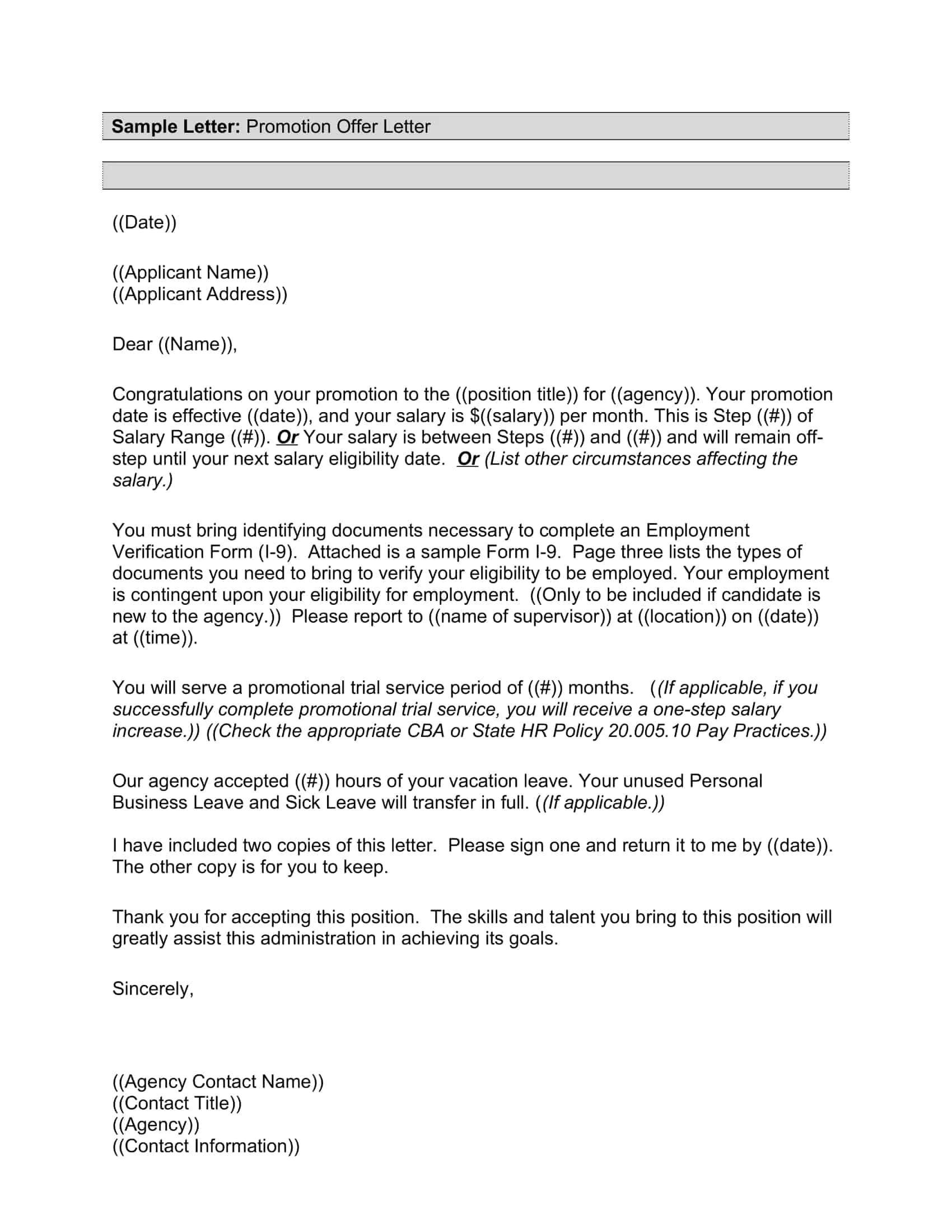
Understanding the Promotion Cover Letter
A promotion cover letter is a crucial document when seeking advancement within your current company. Unlike a general job application letter, this letter focuses on your internal contributions and your understanding of the company’s culture and goals. It serves as your formal introduction to the hiring manager, highlighting your qualifications, achievements, and aspirations for the new role. It’s an opportunity to demonstrate why you are the ideal candidate for the promotion, emphasizing your unique skills and experiences that make you a valuable asset to the company. A well-crafted promotion cover letter can significantly increase your chances of securing the desired position, setting you apart from other internal candidates and showcasing your commitment to the organization’s continued success.
Key Components of a Promotion Cover Letter
A strong promotion cover letter includes several essential elements that work together to make a compelling case for your candidacy. Begin with a professional salutation, addressing the hiring manager by name if possible; research to know their name and title. The introduction should clearly state the position you are applying for and where you saw it advertised. The body of the letter is where you showcase your qualifications, detailing your achievements, skills, and experiences. Highlight your successes using quantifiable metrics to demonstrate your impact on the company. Focus on how your skills align with the job requirements and the company’s overall objectives. Conclude with a strong closing that expresses your enthusiasm for the opportunity and reiterates your interest in the promotion. Finally, proofread your letter carefully and ensure it is formatted professionally, with clear fonts and spacing.
Highlighting Achievements and Contributions

One of the most effective ways to impress a hiring manager is by highlighting your significant achievements and contributions within the company. Instead of simply listing your responsibilities, delve into specific accomplishments that demonstrate your value. Think about projects you successfully completed, initiatives you spearheaded, and problems you solved. Consider any process improvements you implemented that led to increased efficiency or cost savings. Focus on results; use action verbs to describe what you did and the outcomes you achieved. This could include increasing sales, improving customer satisfaction, or streamlining operational procedures. When possible, relate your achievements directly to the requirements of the new role. This alignment helps the hiring manager understand how your past successes will translate into future performance in the promoted position.
Quantifying Your Impact
To make your achievements even more impactful, quantify your contributions whenever possible. Numerical data provides concrete evidence of your success and offers a clear understanding of your value to the company. Instead of stating you ‘improved customer service,’ specify the percentage increase in customer satisfaction scores. If you ‘increased sales,’ include the exact amount or the percentage increase. When discussing cost-saving initiatives, mention the specific amount of money saved. Using numbers adds credibility to your claims and makes it easier for the hiring manager to assess your performance. If your role involves managing projects, provide data on on-time completion rates or the reduction in project delays. Consider using charts or graphs to visualize your data and make your achievements stand out. By quantifying your impact, you provide a clear and concise overview of your successes.
Demonstrating Alignment with Company Goals
In your promotion cover letter, it is essential to demonstrate your alignment with the company’s goals and objectives. Showcase how your skills, experience, and past contributions directly contribute to the company’s strategic initiatives. Research the company’s mission statement, values, and recent announcements to identify its priorities. Frame your accomplishments within the context of how they support these goals. For example, if the company emphasizes customer satisfaction, highlight any initiatives you led to improve customer service. If the company is focused on innovation, discuss your contributions to projects that involved new technologies or processes. By aligning your achievements with the company’s goals, you show the hiring manager that you understand the company’s direction and are committed to its success. This alignment showcases that you are not just seeking a promotion for personal gain but are invested in the organization’s overall performance and future.
Expressing Enthusiasm and Commitment

Your promotion cover letter should convey your genuine enthusiasm for the opportunity and your unwavering commitment to the company. Start by expressing your excitement about the possibility of taking on the new role and the impact you believe you can make. Highlight your passion for the company’s mission and values, and explain why you are eager to continue your career within the organization. Demonstrate your understanding of the role’s responsibilities and your ability to excel in them. Mention any training or professional development you have undertaken to prepare for the promotion. Reiterate your dedication to the company’s long-term success and your eagerness to contribute to its growth. Expressing your enthusiasm and commitment helps the hiring manager see you as a motivated and dedicated individual who is invested in the company’s future.
Tailoring Your Letter to the Role
A generic cover letter will not impress the hiring manager. Customize your promotion cover letter specifically for the new role you are targeting. Carefully review the job description and identify the key requirements, skills, and qualifications the company is seeking. Tailor your letter to directly address these requirements, showcasing your relevant experience and how it aligns with the position’s needs. Highlight the specific skills and knowledge that are most relevant to the new role. Give examples of how you have demonstrated these skills in your current or past roles. Use keywords and phrases from the job description to demonstrate that you understand the role and what the company is looking for. By tailoring your letter, you show that you understand the specifics of the new position and are a well-suited candidate.
Addressing the Hiring Manager
Always address your promotion cover letter to the hiring manager by name, if possible. Addressing the letter to a specific person demonstrates that you have taken the time to research the role and shows your attention to detail. If the hiring manager’s name is not listed in the job posting, try to find it through the company website, LinkedIn, or by contacting the HR department. Using the correct name helps your letter stand out and personalizes your application. Begin the letter with a formal salutation, such as ‘Dear Mr./Ms. [Last Name],’ and ensure you spell their name correctly. This shows that you respect the hiring manager’s time and attention and that you are genuinely interested in the opportunity. If you are unable to find the hiring manager’s name, you can use a more general greeting, such as ‘Dear Hiring Manager,’ but make every effort to personalize your letter as much as possible.
Proofreading and Formatting

Before submitting your promotion cover letter, carefully proofread it for any errors in grammar, spelling, and punctuation. Typos and grammatical mistakes can create a negative impression and make it seem as though you lack attention to detail. Read the letter aloud to catch any awkward phrasing or unclear sentences. Ensure that your letter is well-organized and easy to read. Use a clear, professional font, such as Times New Roman or Arial, and maintain consistent formatting throughout the document. Pay attention to the spacing between paragraphs and sections. Ensure that the letter is appropriately sized and formatted for easy viewing. If possible, ask a colleague or friend to review your letter for any errors you may have missed. A polished, error-free cover letter reflects your professionalism and shows the hiring manager that you take your application seriously.
Following Up After Submission
After you have submitted your promotion cover letter and application, it is appropriate to follow up with the hiring manager or HR department. This follow-up demonstrates your continued interest in the position and helps keep your application at the top of their mind. Send a brief email or make a phone call a week or two after submitting your application. In your follow-up, politely reiterate your interest in the role and mention any relevant experience you may have that aligns with the job requirements. Briefly thank the hiring manager for their time and consideration. Avoid being overly persistent or pushy; a simple follow-up to reiterate your interest is usually sufficient. If you have not heard back after a reasonable amount of time, you may follow up once more. Proper follow-up can show that you are proactive and eager to move forward in the application process.