Understanding Problem Solving Skills for Cover Letters
In the competitive job market, demonstrating your problem-solving skills on your cover letter is crucial. Employers consistently seek candidates who can identify, analyze, and solve complex issues. A well-crafted cover letter showcasing your problem-solving abilities can significantly increase your chances of landing an interview. This guide provides a comprehensive overview of how to effectively highlight these skills, making your application stand out.
Defining Problem Solving Skills
Problem-solving skills encompass a range of abilities that enable you to overcome obstacles and find solutions. These skills involve critical thinking, analytical reasoning, and the capacity to make informed decisions. Problem-solving is not merely about finding a quick fix; it’s about understanding the root cause of an issue and implementing a sustainable solution. Demonstrating these skills in your cover letter makes a strong case for your suitability for the role.
Types of Problem Solving Skills

Problem-solving encompasses a variety of specific skills. These include analytical skills, where you break down complex issues into manageable parts; critical thinking, involving objective evaluation; decision-making, which focuses on selecting the best solution; and communication, to explain solutions. Strategic thinking allows you to anticipate future challenges, while creativity helps in generating innovative solutions. Leadership and teamwork skills are also critical for collaborative problem solving. Highlighting the relevant skills based on the job description is important.
Why Problem Solving Skills Matter in a Cover Letter
Your cover letter is your first chance to make a positive impression on a potential employer. Problem-solving skills are highly valued because they demonstrate your ability to handle challenges and contribute to the company’s success. Highlighting these skills assures the hiring manager that you are capable of adapting to changing situations and finding effective solutions. A cover letter that showcases these skills proves you are not only a good fit for the role but also a valuable asset to the company.
Highlighting Skills That Impress
To impress, clearly and concisely showcase your problem-solving skills. Use action verbs to describe your accomplishments. For example, instead of saying “I was responsible for,” try “I analyzed,” “I identified,” or “I resolved.” Provide specific examples that demonstrate how you applied these skills in past roles. The more concrete your examples, the more credible your claims will be, making your cover letter persuasive and memorable.
Impact on Employers

Employers recognize that candidates with strong problem-solving abilities are better equipped to handle the challenges that arise in the workplace. These individuals can contribute to increased efficiency, reduced costs, and innovative solutions. By demonstrating your ability to tackle problems effectively, you can significantly increase your chances of being selected for an interview. Your cover letter should thus aim to show you’re not just capable, but a proactive agent of positive change within the organization.
Crafting Your Cover Letter To Showcase Problem Solving Skills
The key to showcasing problem-solving skills is to be specific and provide examples. Your cover letter should present a narrative of how you’ve successfully overcome challenges in past roles. Use the STAR method to structure your examples and provide context. The STAR method is a proven technique for illustrating your skills and achievements, making it easy for the hiring manager to understand your contributions and abilities. This section provides detailed guidance.
Analyzing the Job Description
Start by thoroughly reviewing the job description. Identify the specific problem-solving skills the employer is seeking. Look for keywords and phrases that highlight the required abilities, such as “analytical skills,” “critical thinking,” or “decision-making.” Tailor your cover letter to address these specific requirements. Demonstrating how your skills align with the employer’s needs will make your application stand out.
Identifying Relevant Skills

Once you’ve identified the key skills, reflect on your past experiences and pinpoint instances where you successfully used these skills. Focus on situations where you faced challenges and describe the steps you took to resolve them. Choose examples that are relevant to the job and highlight your ability to adapt and overcome obstacles. Be sure that your cover letter demonstrates the ability to think critically, analyze situations, and develop effective solutions.
Structuring Your Cover Letter to Showcasing These Skills
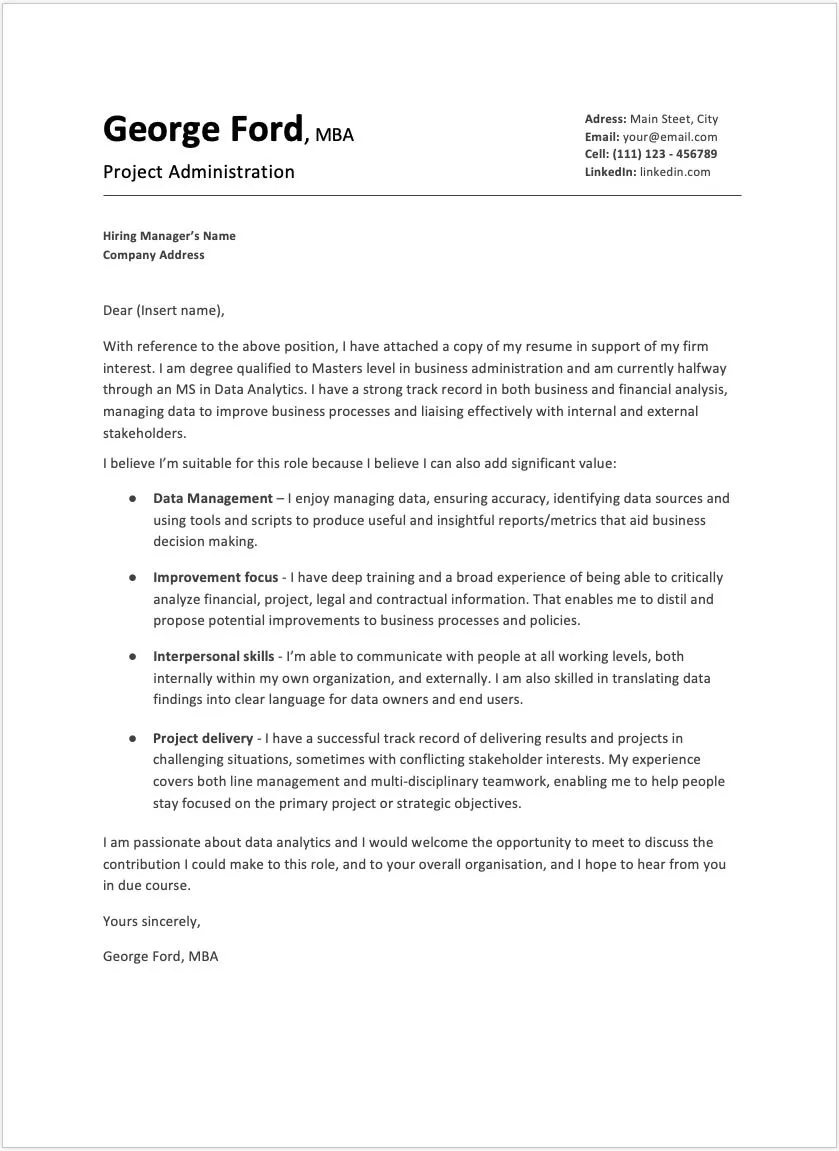
Organize your cover letter to effectively showcase your problem-solving skills. Start with a strong opening statement that highlights your most relevant skills. Then, use the body of your letter to provide specific examples of your accomplishments. Each example should clearly illustrate your problem-solving process. End with a concise conclusion that reiterates your interest in the position and your ability to contribute to the company’s goals. A well-structured cover letter makes a strong impression.
Writing Compelling Examples
Provide compelling examples that demonstrate your problem-solving abilities. Instead of making generic statements, use the STAR method to provide context, actions, and results. This approach helps you present your skills in a clear, concise, and impactful manner. By showing rather than telling, you can make your cover letter more persuasive and memorable. This section will provide detailed guidance on the STAR method and quantify your achievements.
The STAR Method

The STAR method is a powerful tool for structuring your examples. STAR stands for Situation, Task, Action, and Result. Describe the situation you were in, the task you needed to accomplish, the actions you took to address the problem, and the results you achieved. This method allows you to provide a complete picture of your problem-solving process. The use of the STAR method ensures that your examples are both detailed and impactful.
Quantifying Your Achievements
Whenever possible, quantify your achievements. Use numbers and data to demonstrate the impact of your problem-solving efforts. For instance, instead of saying “I improved efficiency,” say “I improved efficiency by 15%.” Quantifiable results add credibility to your claims and provide concrete evidence of your abilities. Using numbers is a compelling way to showcase your skills.
Using Action Verbs
Use strong action verbs to describe your accomplishments. Action verbs make your cover letter more dynamic and engaging. Choose verbs that highlight your problem-solving skills, such as “analyzed,” “identified,” “resolved,” “implemented,” and “improved.” Action verbs make your statements more impactful and demonstrate your ability to take initiative. This will greatly improve the overall effectiveness of your cover letter.
Cover Letter Formatting and Design

The formatting and design of your cover letter play a crucial role in making a positive first impression. A well-formatted cover letter is easy to read and visually appealing. Proper formatting enhances readability and professionalism. Ensure your cover letter is clear, concise, and easy for the hiring manager to scan quickly. Paying attention to these details can significantly increase your chances of being noticed and remembered.
Formatting Best Practices
Use a professional font such as Times New Roman or Arial. Maintain consistent formatting throughout your letter. Use appropriate margins and spacing to ensure readability. Keep your letter concise, ideally within one page. Proofread carefully to avoid any grammatical errors or typos. A well-formatted cover letter is easy to read and projects professionalism.
Design and Readability
Ensure your cover letter is easy to read. Use headings and bullet points to break up large blocks of text. Use white space effectively to avoid a cluttered appearance. The layout should guide the reader’s eye and highlight the most important information. A well-designed cover letter looks professional and helps you make a strong first impression.
Common Mistakes to Avoid

Avoid common mistakes that can undermine your cover letter. These include generic statements, not providing enough evidence to support your claims, and failing to proofread. These issues can reduce your credibility and negatively impact your application. By avoiding these pitfalls, you can increase your chances of making a positive impression and securing an interview.
Generic Statements
Avoid using generic statements that do not provide specific examples of your skills. Generic statements like “I am a good problem solver” are not compelling. Instead, provide concrete examples that demonstrate your ability to solve problems. Tailor your statements to the specific requirements of the job. Specific, well-supported statements are much more effective at highlighting your skills.
Not Providing Evidence
Always provide evidence to support your claims. Your cover letter should offer specific examples that demonstrate your problem-solving skills. Support your claims with concrete examples that illustrate how you handled challenges and achieved results. Without evidence, your claims lack credibility. Detailed examples are essential.
Proofreading Your Cover Letter
Proofreading is a crucial step in the cover letter writing process. Errors can undermine your professionalism and credibility. Always proofread your cover letter carefully, and consider having a second pair of eyes review it. Ensure your cover letter is free of grammatical errors and typos. A well-proofread cover letter demonstrates attention to detail and a commitment to quality, which are important for any role.