What is an Overqualified Cover Letter?
An overqualified cover letter is a document crafted by a job seeker whose qualifications and experience exceed the requirements of the position they are applying for. When you’re overqualified, you bring a wealth of skills, knowledge, and potentially, a higher salary expectation than the company may be prepared to offer for the role. This can often lead to an automatic rejection. The key to success lies in how you present yourself and your qualifications. The cover letter, in this situation, becomes crucial. It’s your opportunity to address potential concerns and demonstrate why you are the right fit, despite your extensive background. The aim is to show that you are genuinely interested in the specific role and the company, even if it seems like you might be ’too good’ for it.
Why are Overqualified Candidates Rejected?
Employers often hesitate to hire overqualified candidates for several reasons. One primary concern is the potential for job dissatisfaction and subsequent turnover. Companies worry that someone with a richer background may quickly become bored with the role and move on. The investment in training and onboarding would then be wasted. Another concern is salary expectations. Overqualified candidates often command higher salaries, which might exceed the budget allocated for the position. Furthermore, employers might fear that an overqualified individual could create friction within the team. Subtly, the hiring manager might perceive them as a potential threat, leading to interpersonal conflicts or a challenging management dynamic. Addressing these concerns head-on in your cover letter is crucial.
Top 5 Tips for Writing an Overqualified Cover Letter

Crafting an effective overqualified cover letter requires a strategic approach to highlight your suitability for the role while alleviating the hiring manager’s potential concerns. Here are five critical tips to guide you through the process and significantly increase your chances of landing an interview, even when your qualifications seem to surpass the job’s demands. From demonstrating genuine enthusiasm to tailoring your application, these strategies will enable you to shine and secure your desired position.
Focus on Your Enthusiasm
Expressing genuine enthusiasm for the specific role and the company is vital. Demonstrate that your interest extends beyond a mere job; you’re invested in the company’s mission, values, and culture. Show that you’ve researched the company and understand their current projects and challenges. Tailor your cover letter to reflect how the role aligns with your long-term career goals, emphasizing what you can contribute to the company’s success. Use phrases such as ‘I am particularly excited about…’ or ‘My passion for…’ to demonstrate that you’re not just looking for any job but this job in particular. This will make the hiring manager see you as someone motivated and eager to contribute and not just someone marking time.
Highlight Relevant Skills and Experience
Carefully select and emphasize the skills and experiences that are most relevant to the job description. Don’t list everything in your repertoire; instead, focus on those that directly address the job’s requirements. Quantify your achievements whenever possible, using numbers to illustrate the impact you’ve made in previous roles. For example, instead of saying, ‘Managed projects,’ say, ‘Managed projects, increasing team efficiency by 20%.’ This gives a clear picture of your competence and value. Frame your experience to show how it aligns with the company’s needs and the specific role, rather than simply listing your past job duties. This targeted approach makes your application more compelling.
Address the Employer’s Concerns

Proactively address any potential concerns the employer might have regarding your overqualification. Acknowledge that your experience exceeds the requirements and explain why you are interested in this specific role and company. Reassure them about your long-term commitment. For example, you could say ‘I am seeking a role where I can contribute my skills and expertise to the team, focusing on [specific task or project].’ Demonstrate a sincere interest in the position’s responsibilities. Express that you are more interested in the role than a higher-level position, emphasizing your desire to be a part of this company. This proactive step shows that you understand their reservations and are prepared to address them.
Tailor Your Cover Letter to the Job
Never send a generic cover letter. Customize each letter to the specific job and company. This includes thoroughly researching the company, understanding its culture, and tailoring your language to mirror theirs. Review the job description carefully and use keywords from it throughout your letter. Highlight the skills and experiences that directly match the job requirements. Also, reflect on the company’s values and align your letter with these principles. The more tailored your cover letter, the more likely it is to resonate with the hiring manager and demonstrate your sincere interest in the role. Generic letters are easily spotted and suggest a lack of genuine interest.
Emphasize Your Long-Term Interest
Reassure the employer of your long-term commitment to the company and the role. Show them you’re not simply using this position as a stepping stone to a higher role. Articulate your career goals, emphasizing that they align with the role and the company’s trajectory. Mention your interest in professional development within the company and your willingness to contribute to the team over the long term. If you’ve researched the company, mention specific aspects that appeal to you and how they connect with your career aspirations. By demonstrating your dedication, you quell the employer’s concerns about potential turnover and show that you are committed to growing within the organization.
Overqualified Cover Letter Sample Structure

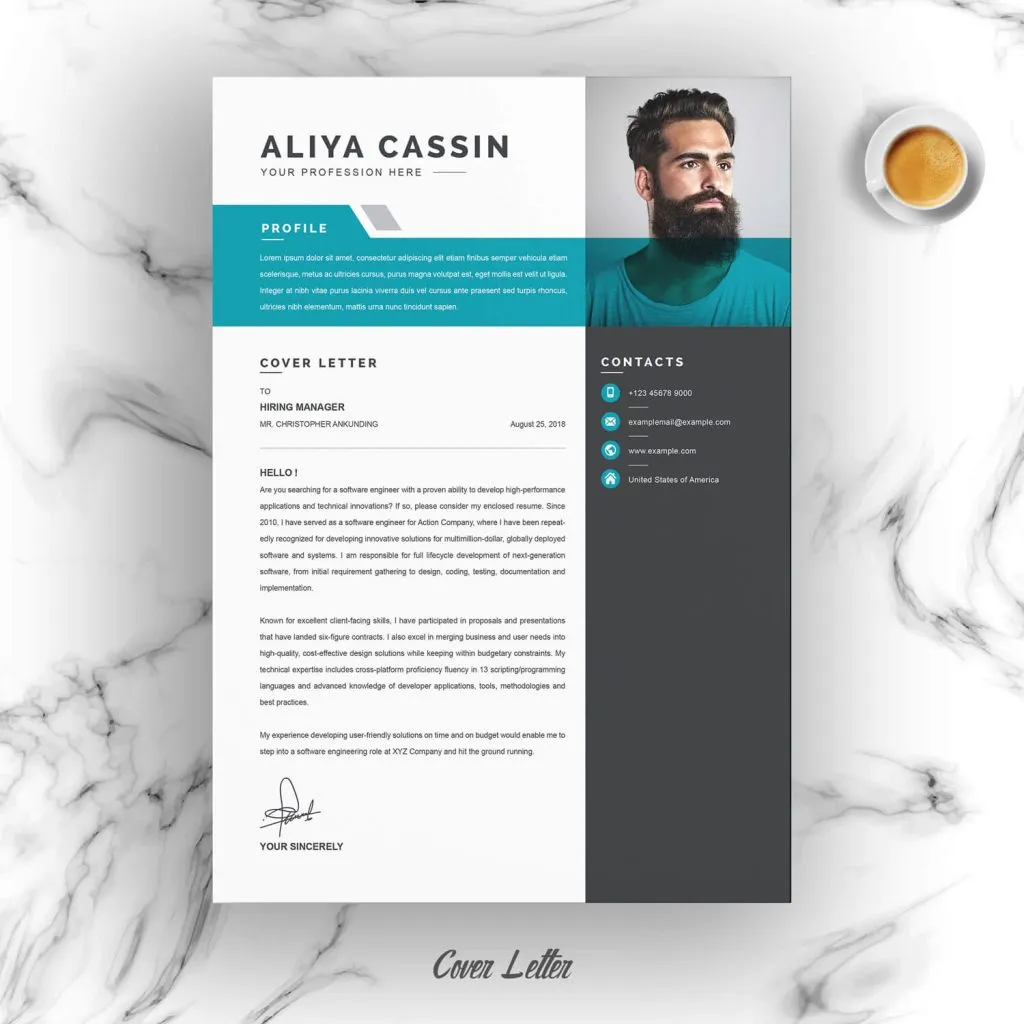
A well-structured overqualified cover letter should present your qualifications in a way that alleviates potential concerns about your experience. A clear structure can significantly enhance your chances of making a positive impression.
Header Section
Begin with your contact information, the date, and the recipient’s information (name, title, company, and address). Ensure your contact details are correct and professional. This section sets the stage for your professionalism and easy accessibility for the employer.
Greeting
Address the hiring manager by name whenever possible. Research the company’s website or LinkedIn to find the appropriate person. If a name isn’t available, use a professional greeting such as ‘Dear Hiring Manager.’ This personalized touch demonstrates your interest and attention to detail.
Opening Paragraph

Clearly state the position you are applying for and how you learned about it. In this opening paragraph, you can acknowledge your experience. Briefly mention the key skills that make you a good fit, and show your enthusiasm to work with the company. Keep this concise, setting the tone for the rest of your letter.
Body Paragraphs
This is where you elaborate on your qualifications and address the overqualification issue. Focus on the most relevant aspects of your experience and skills. Explain why you want this specific role, even if it seems below your previous level. Use the STAR method (Situation, Task, Action, Result) to illustrate your achievements. This shows the tangible outcomes of your contributions. Tailor this section to meet the needs of the company, mirroring the skills and qualifications listed in the job description.
Closing Paragraph
Reiterate your interest in the position and the company. Thank the hiring manager for their time and consideration. Include a clear call to action, such as ‘I look forward to the opportunity to discuss my qualifications further in an interview.’ Restate how your skills and experience can benefit the team, and express your availability for an interview.
Common Mistakes in Overqualified Cover Letters

Avoiding common mistakes in your cover letter is crucial for making a positive impression. These errors can undermine your application, leading to rejection. Being aware of these pitfalls can significantly improve your chances.
Ignoring the Overqualification Issue
One of the biggest mistakes is failing to address the overqualification issue head-on. Ignoring the fact that your experience exceeds the job’s requirements can leave the employer wondering why you’re applying. Not addressing this issue raises suspicions. Always acknowledge your experience and provide a clear explanation of your interest in the role and the company. Show that you have considered your application and that you are sure of this choice, not just throwing applications out.
Appearing Desperate
Avoid making it seem like you will take any job. Desperation is a major turnoff. While you should highlight your interest, don’t come across as if you’re applying out of necessity. Demonstrate that you see value in the position and the company, not that you’re just looking for a paycheck. Keep the focus on what you can offer to the company, not on your need for employment.
Not Tailoring to the Job

Sending a generic cover letter is a huge mistake, especially when overqualified. Recruiters can easily identify these letters, and it’s likely to lead to automatic rejection. Tailor your cover letter to each job by reviewing the job description and highlighting the relevant skills and experiences. Show that you have researched the company and understand its needs. Customization proves you’re interested in the specific role and company, not just any job.
Final Thoughts on Overqualified Cover Letters
Writing an effective overqualified cover letter can be challenging, but with the right approach, you can significantly increase your chances of landing an interview. By focusing on your enthusiasm, highlighting relevant skills, addressing the employer’s concerns, and tailoring your letter to the job, you can position yourself as a valuable candidate. Remember to avoid common mistakes such as ignoring the issue, appearing desperate, or sending a generic letter. A well-crafted cover letter helps you express your desire to be involved, showing your genuine commitment and setting the stage for a successful job search.