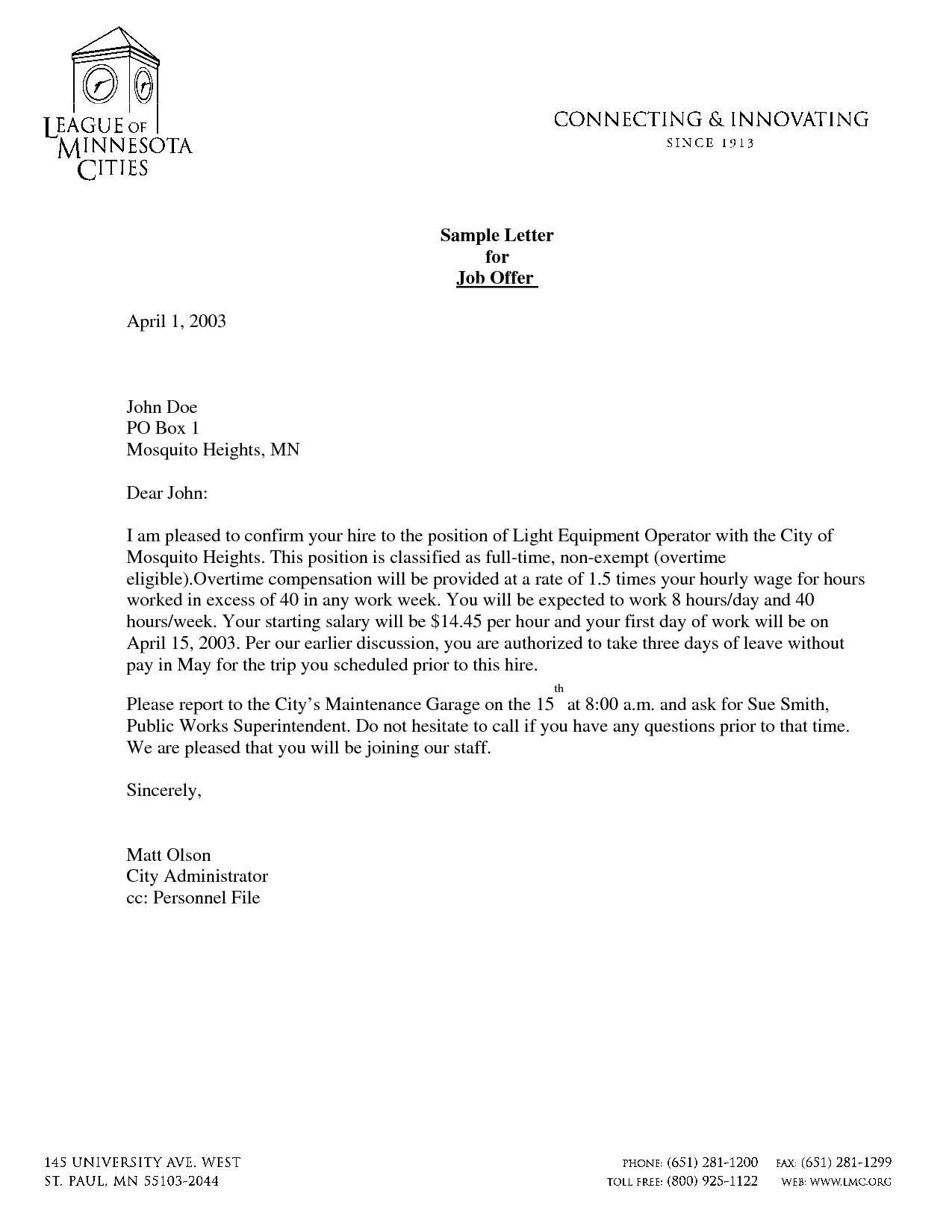
What Is an Offer Cover Letter?
An offer cover letter is a formal document that you write to the hiring manager or the company representative after receiving a job offer. It serves as your official response to the job offer, expressing your acceptance and confirming the terms and conditions of the employment. This letter is a crucial step in the hiring process because it solidifies your agreement and demonstrates your professionalism and enthusiasm for the position. It’s not just a formality; it’s an opportunity to reiterate your interest, clarify details, and set the stage for a positive working relationship. Think of it as your final chance to make a strong impression and ensure everything is clear before you embark on your new role. Crafting a well-written offer cover letter is as important as the initial application and interview stages.
Purpose of an Offer Cover Letter
The primary purpose of an offer cover letter is to formally accept or, in some cases, respectfully decline a job offer. It acknowledges the offer, expresses your gratitude, and confirms your understanding of the terms of employment. Beyond this, the letter also serves as a record of your acceptance, providing a written document that both you and the employer can refer to in the future. This is especially important if there are any specific agreements made during the negotiation process, such as a starting date, salary, or benefits. A well-written letter also reinforces your enthusiasm and commitment to the company, showcasing your professionalism and attention to detail, which is key to leaving a positive impression. Moreover, the letter offers a final chance to address any outstanding questions or concerns before you begin your new job.
Key Components of an Offer Cover Letter

Several key components are essential for a comprehensive and professional offer cover letter. Begin with your contact information, including your full name, address, phone number, and email address, along with the date. Address the letter to the hiring manager or the person who extended the offer by name, if possible. In the opening paragraph, clearly state your acceptance of the job offer and the position you’re accepting. Briefly reiterate your excitement and enthusiasm for the role. The body of the letter should restate the key terms of the offer, such as salary, start date, and any other important details, ensuring you understand them. In the closing, reiterate your gratitude for the offer, express your eagerness to start, and include your signature. Finally, proofread your letter carefully for any grammatical errors or typos before sending it. This ensures your letter is easy to read, professional and reflects your attention to detail. The overall professionalism of the letter will greatly influence how you’re viewed by the company and the hiring manager.
Formatting Your Offer Cover Letter
The formatting of your offer cover letter plays a crucial role in its overall presentation and readability. Use a professional business letter format, ensuring a clean and organized layout. Start with your contact information at the top, followed by the date, and the hiring manager’s information (if you know it). Use a standard, easy-to-read font like Times New Roman, Arial, or Calibri, and maintain a consistent font size (typically 11 or 12 points). Ensure your margins are one inch on all sides and that you single-space the body of the letter, with a double space between paragraphs. Keep the tone professional and enthusiastic. Avoid using jargon or overly casual language. The language should be polite, appreciative, and focused on reiterating your interest in the position. Pay close attention to grammar and spelling. Proofread the letter meticulously to avoid any errors, as they can detract from your professionalism. A well-formatted and error-free letter shows attention to detail and respect for the recipient.
How to Address the Hiring Manager
Addressing the hiring manager correctly is a key detail in your offer cover letter. If you know the hiring manager’s name, always use it. A personalized greeting, such as ‘Dear Mr. / Ms. [Last Name],’ demonstrates that you have taken the time to find out who you are addressing and shows respect. Using the correct title and spelling the name correctly is also vital. If you are unsure of the hiring manager’s name, try to find it on the company website, LinkedIn, or the original job posting. If you still can’t find a name, you can use a more general greeting such as ‘Dear Hiring Manager’ or ‘Dear [Department Name] Hiring Team.’ Avoid generic greetings like ‘To Whom It May Concern,’ as they are impersonal and make your letter seem less tailored. Regardless of the specific greeting, ensure it is respectful and reflects your professionalism. Remember, the aim is to create a positive first impression and start off on the right foot.
Highlighting Your Qualifications and Skills

While the offer cover letter is not the place to rehash your entire resume, it is an opportunity to briefly highlight key qualifications and skills that make you a good fit for the role. In the body of your letter, you can reiterate your enthusiasm for the position and quickly summarize how your skills align with the job requirements. Mention specific skills or experiences that make you uniquely qualified and mention any achievements you’re particularly proud of. For example, if the job involves project management, you could mention your experience leading successful projects and delivering results within budget and on time. Ensure what you mention is relevant to the role and that you demonstrate a clear understanding of the job’s requirements. The key is to express your commitment to the role and the value you will bring to the company. This should be a quick summary, not a detailed rehash of your resume. Make it clear how your qualifications will help you excel in this role.
Expressing Enthusiasm and Interest
Expressing enthusiasm and genuine interest in the job offer is a vital part of your cover letter. Begin by stating your clear acceptance of the offer and reiterate your excitement about joining the company. Be specific and mention aspects of the job or company that particularly excite you. For example, if you’re looking forward to working on a specific project or collaborating with a particular team, mention it. Show that you have researched the company and understand its mission, values, and goals. This demonstrates that you are not just looking for any job, but that you are genuinely interested in this particular opportunity. Mentioning something specific that attracted you to the role shows a deeper level of interest than a general statement. This enthusiasm reinforces your commitment to the company and leaves a positive impression with the hiring manager. This enthusiasm also makes it clear to the hiring manager that you are genuinely excited about joining the team.
Negotiating Your Salary and Benefits
The offer cover letter is an opportunity to confirm the agreed-upon salary and benefits package. If you negotiated the salary or any benefits during the interview process, explicitly state that you confirm the terms discussed. If you have questions or need clarification on specific aspects of the offer, include them in your letter. For instance, if the benefits package includes health insurance, retirement plans, or vacation time, restate the key details to ensure there is no misunderstanding. If you have any further questions about the offer, this is the time to ask, such as the specifics of a relocation package, stock options, or performance bonuses. Make sure you express your satisfaction with the offer and your willingness to accept the terms. The key is to be clear, concise, and professional in your communication. This ensures that you are both on the same page and helps avoid any potential disputes later. Always keep a copy of the letter for your records.
Reviewing the Offer Letter

Before sending your offer cover letter, meticulously review the original offer letter. Ensure that all the details in your response match what was offered. Double-check the salary, start date, job title, benefits, and any other terms of employment. Look for any discrepancies or areas where you might need clarification. Check that all the details mentioned in the offer letter are correct, and confirm that you understand them. This review will help you spot any errors or omissions before you send your response. If you spot an error, politely mention it in your letter, along with your clarification. Proofread your letter carefully, as well as the offer letter. Make sure there are no typos, grammatical errors, or inconsistencies. A well-reviewed and accurate letter shows attention to detail and professionalism, which is essential in a formal business communication. This demonstrates your commitment to a successful start and makes you look reliable.
Closing Your Offer Cover Letter
The closing of your offer cover letter should reiterate your appreciation for the job offer and express your enthusiasm about joining the company. Thank the hiring manager or the company for the opportunity. Reiterate your commitment to the role and your eagerness to begin work. You can also include a final statement expressing your excitement to contribute to the company’s success. End with a professional closing, such as ‘Sincerely,’ or ‘Best regards,’ followed by your typed name. Include your signature if you are sending a physical copy of the letter. Include any necessary contact information, such as your phone number and email address, if it is not already included. By providing these, you will be ensuring that the hiring manager has no difficulty contacting you. The closing should be positive, professional, and leave a lasting impression. This final touch reaffirms your commitment and leaves the hiring manager with a positive impression of your eagerness to get started.