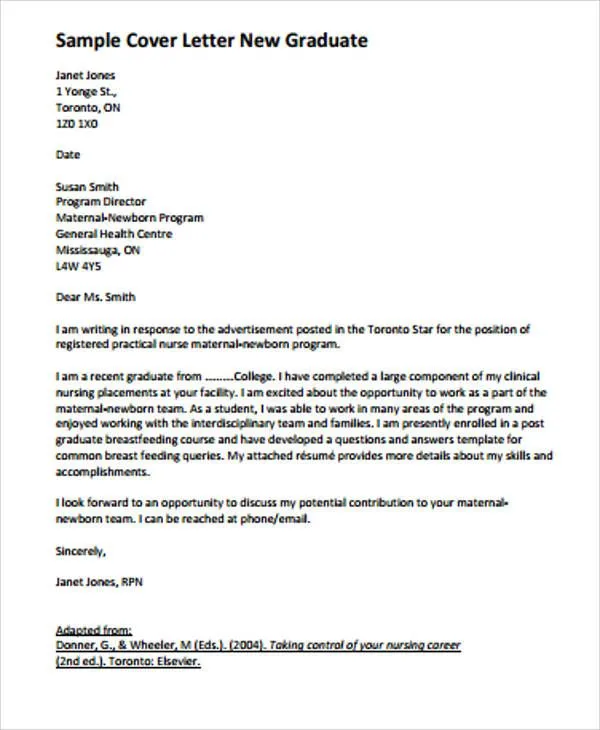
As a nursing student, crafting a compelling cover letter is a crucial step in securing your dream job or clinical placement. A well-written nursing cover letter is your first chance to make a positive impression on potential employers. It serves as an introduction and allows you to showcase your skills, experience, and passion for nursing. This guide will provide you with the essential knowledge and tips to create a standout nursing cover letter that grabs attention and helps you land an interview. It will help you stand out in a competitive field and increase your chances of success.
What is a Nursing Cover Letter
A nursing cover letter is a concise document that accompanies your resume when applying for nursing positions, including internships or entry-level roles. Its primary function is to introduce you to the hiring manager or committee, explain your interest in the specific opportunity, and highlight how your qualifications align with the job requirements. Think of it as a personalized sales pitch that helps you make a strong first impression. A cover letter allows you to express your personality and enthusiasm for the role, which isn’t always possible in a resume.
Why Do You Need a Nursing Cover Letter
In the highly competitive field of nursing, a well-crafted cover letter can set you apart from other applicants. It demonstrates your professionalism, attention to detail, and strong communication skills. Even if a job posting doesn’t explicitly require a cover letter, submitting one can give you an edge. Many employers value the effort applicants put into creating a personalized introduction. A nursing cover letter provides the perfect opportunity to explain gaps in your resume, highlight relevant experience, and express your genuine interest in the position and the healthcare facility. Without a cover letter, you might miss the chance to highlight aspects of your application that the employer truly values.
How to Get Started

Before you start writing, thorough preparation is key. This involves researching the facility and carefully analyzing the job description. This preliminary work ensures your cover letter is tailored to the specific opportunity, demonstrating your genuine interest and understanding of the role and facility. Preparing ahead allows you to create a cover letter that is not only effective but also highlights that you have taken the time to understand the employer’s needs and expectations.
Research the Facility
Conducting thorough research on the healthcare facility is an essential step. Visit their website, read about their mission, values, and recent achievements. Look for news articles or social media posts about the facility. Understanding the facility’s culture and priorities will allow you to tailor your cover letter to their specific needs and demonstrate a genuine interest in working there. This research helps you identify how your skills and experience align with the facility’s goals. It also allows you to mention specific programs, initiatives, or values that resonate with you, making your application more personalized and impactful.
Analyze the Job Description
Carefully analyze the job description to identify the key requirements, skills, and experience the employer is seeking. Pay close attention to the specific responsibilities, qualifications, and preferred qualities. Highlight how your skills and experiences meet these requirements. This analysis guides you in selecting the most relevant information from your background and structuring your cover letter to showcase your suitability for the role. Tailoring your cover letter to the job description demonstrates to the employer that you have taken the time to understand their needs and are a strong fit for their team.
Structuring Your Cover Letter

A well-structured cover letter is easy to read and highlights the most important information about your qualifications. It should follow a clear format that includes a header, greeting, opening paragraph, body paragraphs, and closing paragraph. Each section of your cover letter serves a specific purpose in conveying your message effectively. Ensure the content is concise, well-organized, and tailored to the specific job requirements to maximize impact. A well-structured letter helps to organize your thoughts and present them in a professional manner that will keep the hiring manager engaged.
Header and Contact Information
Your header should include your full name, contact information (phone number and professional email address), and the date. This information should be at the top of the document. It’s also a good idea to include the recipient’s name and title if you know it, which adds a personal touch. Ensure that your contact information is accurate and professional. Using a clear, readable font and formatting makes it easy for the hiring manager to contact you if they are interested. A well-organized header ensures the recruiter can quickly access your information and contact you if necessary.
Greeting
Address the hiring manager by name if possible, using “Dear Mr./Ms./Mx. [Last Name].” If you don’t know the name, use a professional greeting like “Dear Hiring Manager” or “Dear [Department Name] Team.” This shows respect and attention to detail. Avoid generic greetings. Researching the name of the hiring manager beforehand shows initiative. Personalizing your greeting immediately makes your application more engaging. Addressing the recipient by name demonstrates respect and shows that you have taken the time to learn about the hiring process.
The Opening Paragraph

Your opening paragraph should state the position you are applying for and where you found the job listing. Briefly mention why you are interested in the position and the facility. This should also include a concise statement of your key qualifications. Make your opening paragraph engaging and focused. Show enthusiasm and clearly state your purpose to grab the reader’s attention. The first paragraph sets the tone for the rest of your cover letter. It must capture the reader’s interest and give them a reason to continue reading about you and your qualifications.
Body Paragraphs
The body paragraphs should highlight your relevant skills, experience, and achievements. Use specific examples to demonstrate how you meet the job requirements. Tailor your content to the job description and show, don’t just tell, the reader about your capabilities. Organize your body paragraphs logically, grouping related skills and experiences together. This makes it easier for the hiring manager to follow your narrative. Each paragraph should focus on a specific aspect of your qualifications. Use the STAR method (Situation, Task, Action, Result) to provide concise and impactful examples of your achievements.
Highlighting Skills and Experience
Focus on the skills and experiences most relevant to the nursing position. These may include clinical skills, communication abilities, teamwork, and patient care experience. Provide examples of how you have applied these skills in previous roles or clinical settings. Use action verbs to describe your accomplishments and responsibilities. Highlight specific certifications or training relevant to the job requirements. Emphasize skills that are essential for the role you’re seeking. Refer to the job description and align your experiences with what the employer is seeking.
Quantifying Achievements

Whenever possible, quantify your achievements with numbers or data. For example, mention the number of patients you cared for, improvements in patient outcomes, or any positive feedback you received. Use percentages, statistics, or specific metrics to demonstrate the impact of your work. Quantifying your achievements adds credibility to your claims. It helps the hiring manager understand the value you brought to previous experiences. If you participated in any projects, mention your contribution to the project and the results you achieved.
Expressing Enthusiasm
Express your enthusiasm for the position and the healthcare facility. Explain why you are interested in this particular opportunity and what attracts you to it. Show that you have done your research and understand their mission, values, or specializations. Connect your career goals with the facility’s goals. Expressing genuine interest demonstrates your commitment to the role and shows that you are not just applying for any job, but are specifically interested in this one. Personalize your letter by mentioning something specific that you admire about the facility or role.
The Closing Paragraph
In your closing paragraph, reiterate your interest in the position and thank the hiring manager for their time and consideration. Include a call to action, such as “I look forward to the opportunity to discuss my qualifications further” or “I am eager to learn more about this opportunity.” Provide your contact information one last time. Sign off with a professional closing, such as “Sincerely” or “Respectfully.” This reinforces your professionalism and commitment to the position. Ensure that your closing is courteous and leaves a positive impression on the reader.
Formatting and Proofreading

Formatting and proofreading are essential for a professional cover letter. These steps ensure your letter is easy to read and free of errors. A well-formatted and error-free cover letter demonstrates your attention to detail. Proofreading shows the employer you are committed to presenting your skills accurately. This shows professionalism and attention to detail. It reflects well on your ability to communicate effectively and professionally.
Formatting Guidelines
Use a professional font, such as Times New Roman, Arial, or Calibri, with a font size between 10 and 12 points. Maintain consistent formatting throughout the document. Use single spacing within paragraphs and double spacing between paragraphs. Align your text to the left, and avoid justification. Keep your cover letter to one page. Use clear headings and bullet points to make the content easy to read and follow. Well-formatted documents are easier to navigate and more pleasant to read.
Proofreading Tips
Carefully proofread your cover letter for any spelling, grammar, and punctuation errors. Use a spell checker, but don’t rely on it entirely. Read your cover letter aloud to catch any awkward phrasing or sentence structure issues. Ask a friend, family member, or career advisor to review your cover letter for feedback. Checking for these errors minimizes the chance of making a negative impression. Take breaks between writing and proofreading. Getting a second opinion is very helpful.
Finalizing and Submitting

After you’ve written and proofread your cover letter, it’s time to finalize it for submission. Ensure you’ve met all formatting guidelines and have thoroughly reviewed your work. The final steps before submitting your application package include review, editing, and submitting your cover letter.
Review and Edit
Before submitting, carefully review and edit your cover letter one last time. Ensure all information is accurate and up-to-date, and make any necessary revisions. Confirm that your contact information is correct and professional. Remove any unnecessary information or clichés. Reviewing and editing is essential to ensure your cover letter accurately reflects your skills and qualifications and meets professional standards. A polished cover letter will increase the chances of making a great impression.
Submitting Your Cover Letter
Follow the instructions provided in the job posting for submitting your cover letter and resume. Usually, you’ll submit your cover letter and resume as a single PDF file. Ensure the file name is clear and professional, for example, “Your Name_Cover Letter_Nursing.” Always customize your cover letter for each job application. By tailoring your cover letter to each specific job, you demonstrate that you have taken the time to understand the employer’s needs. You also highlight the relevance of your skills, making your application more impactful and showing your genuine interest in the role.
By following these steps, you can create a nursing cover letter that effectively showcases your qualifications and increases your chances of landing an interview. Remember to tailor your cover letter to each specific job application and highlight your unique skills and experiences. Good luck with your job search.