Why a Nursing Cover Letter Is Crucial
In the competitive world of healthcare, a compelling cover letter can be your golden ticket to landing your dream nursing position. A well-crafted cover letter serves as your initial introduction, providing the hiring manager with a glimpse into your personality, skills, and motivations. It’s your chance to go beyond the bullet points of your resume and truly connect with the employer. This document allows you to showcase your passion for nursing, articulate your career goals, and explain why you’re the perfect fit for their specific needs. Think of it as your personal marketing tool, designed to make a memorable first impression and increase your chances of securing an interview. In a field where compassion and communication are paramount, your cover letter can demonstrate these crucial qualities before you even meet the hiring team.
What to Include in Your Nursing Cover Letter
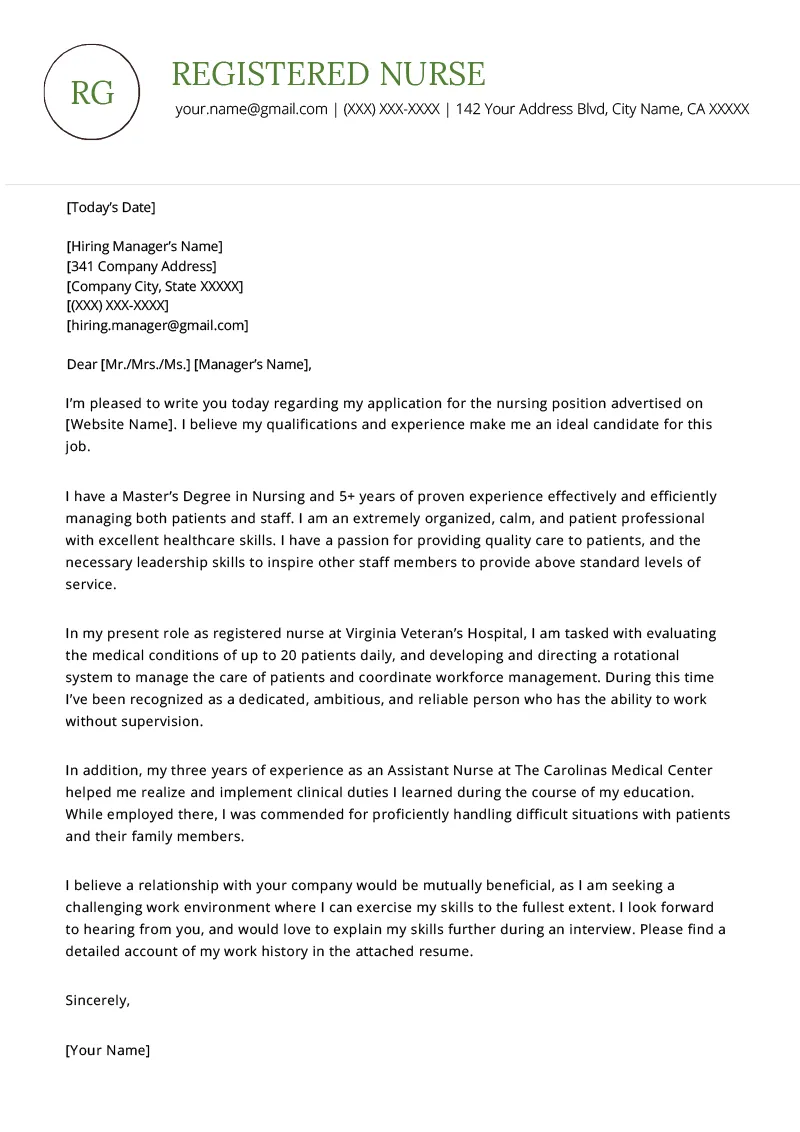
Crafting an effective nursing cover letter requires careful consideration of what information to include. Begin by formatting your letter professionally with appropriate contact details. Then, structure your content logically to highlight your skills, experience, and passion. Your cover letter should offer a concise overview of your career history, demonstrating your abilities, and explaining how your qualifications align with the job’s requirements. When preparing your letter, include critical elements such as your contact information, the hiring manager’s details, a compelling introduction, a detailed section on your skills and experience, quantifiable achievements, and a tailored approach. Also include a clear and professional closing. These elements create a comprehensive and compelling narrative that enhances your application and your potential for securing an interview.
Your Contact Information

Begin your cover letter by providing your contact details. Include your full name, professional email address, phone number, and optionally, your LinkedIn profile URL. Make sure your email address is professional and reflects your name or a variation of it; avoid informal or outdated email addresses. Place this information at the top of your letter, either on the left or right side, ensuring it is easily accessible to the hiring manager. Accurate and readily available contact information allows the employer to quickly reach you for an interview. Proper formatting of your contact information sets a professional tone and shows attention to detail, both crucial for a nursing role.
The Hiring Manager’s Contact Info
Address your cover letter to a specific person, if possible. Research the hiring manager’s name and title; this personalized approach shows initiative and attention to detail. If you cannot find the hiring manager’s name, use a professional greeting like ‘Dear Hiring Manager.’ Include the hiring manager’s name, title, and department, along with the company’s address. Accurate information demonstrates your genuine interest in the position and the organization. Knowing the hiring manager’s name can help you tailor your letter more effectively, making it more personal and engaging. If the information is unavailable, be sure to address the recipient correctly, avoiding generic greetings that may appear impersonal. Make sure the formatting is precise.
A Strong Opening That Grabs Attention
Your opening paragraph should immediately capture the hiring manager’s attention and set the tone for your letter. Begin by stating the specific position you are applying for and where you found the job posting. Then, briefly mention why you are interested in this particular role and healthcare facility. Express your enthusiasm and connect it to your career goals. A compelling opening statement summarizes your qualifications and quickly engages the reader. Consider starting with a concise statement about your passion for nursing and the value you bring. This creates a positive initial impression and encourages the reader to continue. A strong opening shows professionalism and highlights your commitment to the profession.
Highlight Your Nursing Skills and Experience

The body of your cover letter is the space to showcase your nursing skills and experience. Tailor your description to match the requirements of the job description, emphasizing skills and expertise that are most relevant. Provide specific examples of how you have demonstrated these skills in previous roles. Mention your proficiency with electronic health records, patient assessment techniques, medication administration, and other key nursing duties. Mention relevant certifications, licenses, and any specialized training that aligns with the job’s demands. Use action verbs to describe your accomplishments and responsibilities. By highlighting your skills in a concise and impactful manner, you can demonstrate your capability to excel in the role and address the employer’s needs effectively.
Quantify Your Achievements (Show, Don’t Tell)
To strengthen your cover letter, quantify your achievements with specific numbers and metrics. Instead of simply stating that you improved patient outcomes, provide details: ‘Reduced patient readmission rates by 15% through enhanced discharge planning.’ Use data to demonstrate the impact you’ve made in previous roles. Other examples can be increasing patient satisfaction scores, successfully managing a certain number of patients daily, or implementing successful new protocols. Quantifiable data adds credibility to your claims and provides concrete evidence of your abilities. When describing your experience, present your achievements in a clear and measurable way, showcasing your capability to deliver tangible results. This approach showcases your impact and value as a nursing professional.
Tailor Your Cover Letter to the Job
Customizing your cover letter for each job application is a key aspect of making your application stand out. Carefully review the job description and highlight the skills and experiences most relevant to the role’s requirements. Modify your cover letter to address the specific needs and values of the healthcare facility. Demonstrate your understanding of the organization’s mission, values, and patient care approach. Show your interest in their unique practices, by highlighting how your skills align with their needs. By tailoring your cover letter, you demonstrate that you are genuinely interested in the position and have taken the time to understand the specific requirements of the role. A well-tailored cover letter significantly improves your chances of getting noticed and selected for an interview.
Showcase Your Passion for Nursing

A nursing cover letter is an ideal place to showcase your passion for the profession. Explain what inspires your decision to pursue nursing and what motivates you to excel in this field. Highlight any personal experiences, professional experiences, or volunteer work that reflects your dedication to patient care. Share a story or example of how you have positively impacted a patient’s life. Discuss the specific aspects of nursing that you find most rewarding, such as the opportunity to make a difference in people’s lives or the challenges of providing compassionate care. This personal touch can create an emotional connection with the hiring manager and showcase your genuine commitment to the role. This emotional aspect can set you apart from other candidates and demonstrate your compassion.
Closing Your Nursing Cover Letter
Your closing paragraph should be professional and leave a lasting impression. Reiterate your interest in the position and summarize why you are an ideal candidate. Express your appreciation for the opportunity to be considered and restate your enthusiasm for the role. Use a strong call to action to encourage the hiring manager to contact you for an interview. Keep your tone positive and confident. Avoid generic closing phrases and opt for a clear statement that reflects your eagerness to move forward in the hiring process. The final paragraph of your letter is your last chance to underscore your strengths. A well-crafted closing can encourage a positive response from the hiring manager and increase your interview chances.
Express Gratitude and Offer to Follow Up
Always express your gratitude to the hiring manager for their time and consideration. Thank them for the opportunity to apply and express your excitement about the possibility of joining their team. Include a statement offering to follow up with them. This shows your proactive nature and genuine interest in the position. Provide your contact information and state your availability for an interview. Be specific about the timeframe in which you will follow up (e.g., ‘I look forward to hearing from you within the next two weeks.’) This final step highlights your professional approach and your commitment to the application process. The polite expression of gratitude and offering a follow-up shows your interest in the role and enhances the impression of a thoughtful candidate.
Proofread and Edit Your Cover Letter

Before submitting your cover letter, proofread it meticulously for any errors in grammar, spelling, and punctuation. Errors can undermine your credibility and create a negative impression. Read your cover letter multiple times, or better yet, have a friend or colleague review it for you. Verify all contact information and the name of the hiring manager. Check that your letter is formatted correctly and that all sections are clear and well-organized. Paying close attention to detail demonstrates your professionalism and commitment to quality. Ensure your cover letter is free of any typos or mistakes. Reviewing your cover letter for accuracy and clarity will enhance your prospects and make a positive impression.
Common Mistakes to Avoid
Several common mistakes can derail your cover letter. Avoid generic or template-based content; personalize your letter to stand out. Do not include excessive jargon or overly complicated language. Keep your writing clear and concise. Avoid negativity and focus on your strengths and positive qualities. Refrain from repeating information that is already in your resume, and make sure your cover letter is not too long, it should not exceed one page. Make sure your letter is free from errors and reflects your professionalism. These precautions will prevent you from making unfavorable impressions and raise your application’s effectiveness. Addressing these common mistakes will help you create a cover letter that shows your professional skills.