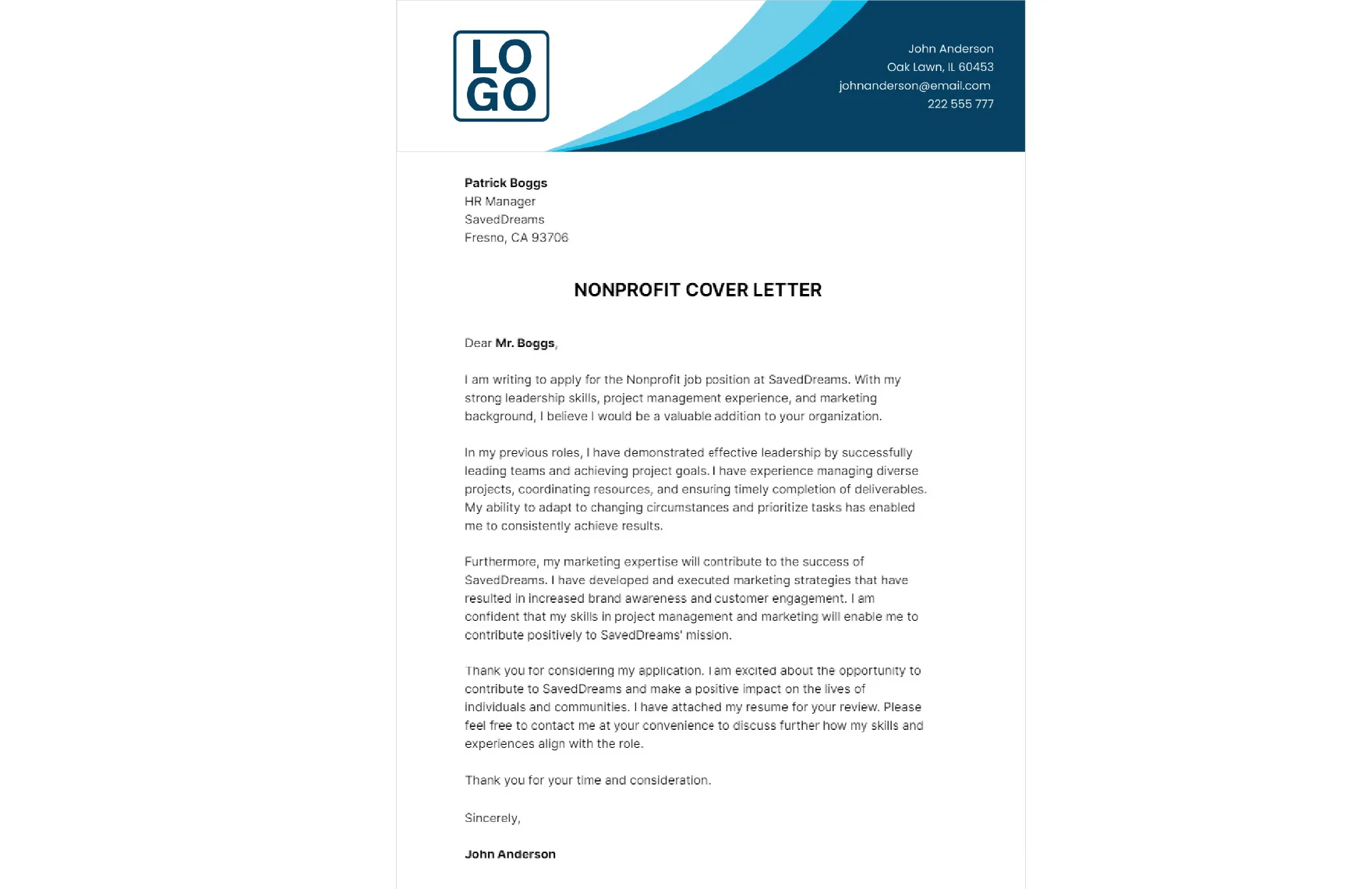
What is a Nonprofit Cover Letter
A nonprofit cover letter is a crucial document submitted alongside your resume when applying for jobs within the non-profit sector. It serves as your first introduction to the hiring manager, providing an opportunity to showcase your personality, skills, and passion for the organization’s mission. Unlike a resume, which lists your qualifications, a cover letter allows you to articulate why you are the perfect fit for the specific role and the organization’s values. It is your chance to make a strong impression and persuade the employer to invite you for an interview. Therefore, crafting a compelling and tailored cover letter is essential for success in securing a position within the nonprofit world. It is the first step to creating a positive first impression.
Why is a Nonprofit Cover Letter Important
A well-written cover letter is vital because it demonstrates your genuine interest in the organization and the position. It goes beyond simply listing your skills and experiences; it allows you to connect your qualifications to the specific needs of the nonprofit. Hiring managers in the nonprofit sector often look for candidates who are not only qualified but also passionate about the mission. A cover letter provides a platform to express this passion. It showcases your understanding of the organization’s work and how your skills can contribute to its success. Additionally, it helps you stand out from other applicants, especially when the competition is fierce. This is where your personality and enthusiasm shine through, making you a memorable candidate. A strong cover letter dramatically increases the likelihood of your application being selected for further consideration and potential interview.
Highlight Your Passion

Expressing your passion for the nonprofit’s mission is paramount. Explain why you are drawn to the organization’s cause and how your values align with its goals. Provide specific examples of your interest in the issues the nonprofit addresses. This could include personal experiences, volunteer work, or academic pursuits. Show the hiring manager that you are genuinely committed to the work and not just looking for a job. This genuine enthusiasm can make a significant impact, as nonprofit organizations seek individuals who are dedicated to making a difference. By clearly articulating your passion, you make a strong case for why you are a valuable asset to the team and an ideal fit for the organization’s culture and goals.
Showcase Relevant Skills
Detail the skills and experiences that make you a strong candidate for the position. Carefully review the job description and identify the key skills required. Then, provide specific examples of how you have demonstrated these skills in the past. This could include project management, communication, fundraising, or any other skills mentioned in the job posting. Use action verbs to describe your accomplishments and the impact you made. This makes it easy for the hiring manager to see how your skills align with the needs of the role and the organization. Ensure that the skills you highlight directly address the requirements outlined in the job description; doing so shows that you understand what the organization is looking for and that you can deliver results.
Quantify Your Achievements
Whenever possible, quantify your achievements to demonstrate the impact of your work. Use numbers, statistics, and data to illustrate your successes. For instance, instead of saying “Managed social media accounts,” say “Increased social media engagement by 30% within six months.” Quantifiable achievements make your accomplishments more tangible and credible. They provide concrete evidence of your abilities and showcase the value you can bring to the organization. Highlighting measurable results helps hiring managers understand the direct benefits of hiring you. This approach sets you apart from other applicants and reinforces the value you offer. Presenting your achievements with numbers creates a strong and convincing narrative.
Tailor Your Letter

A generic cover letter will not impress a hiring manager. It is essential to tailor your letter to each specific job and organization. Show that you have taken the time to research the organization and understand its mission and values. Demonstrating this kind of effort proves your genuine interest. Refer to the job description to identify the key requirements and customize your letter to address them directly. Highlight the experiences and skills that are most relevant to the role. Showing that you have researched the organization and understand its unique needs can make you stand out. Customize the letter by making specific references and using relevant keywords. This makes the hiring manager feel that your letter is not a generic template.
Research the Organization
Thoroughly research the nonprofit organization before writing your cover letter. Understand its mission, values, programs, and recent achievements. Visit the organization’s website, read its annual reports, and explore its social media presence. This research will help you tailor your letter to the organization’s specific needs and demonstrate your genuine interest. Show the hiring manager that you understand the organization’s work. Identify the specific projects, programs, or initiatives that resonate with you and the values of the organization. This research will also help you to integrate relevant keywords into your cover letter. This shows a clear understanding of the organization.
Match Your Skills to the Job
Carefully examine the job description to identify the required skills, experiences, and qualifications. Highlight the skills that align with the job requirements. Then, provide specific examples of how you have demonstrated these skills in the past. Use action verbs to describe your accomplishments and the impact you made. Make sure to address each of the key requirements mentioned in the job description. Showing how your experience matches the needs of the position makes you a strong candidate. This focused approach allows the hiring manager to see how your skills directly relate to the job’s responsibilities.
Use Keywords

Incorporate relevant keywords from the job description throughout your cover letter. This helps to demonstrate that you possess the required skills and qualifications. Also, using these keywords makes your application more likely to be identified by applicant tracking systems (ATS). This is especially important as many organizations use ATS to screen applications. Review the job description and identify the keywords and phrases that are most frequently used. Then, strategically include these keywords in your cover letter to showcase your alignment with the role’s requirements. Make sure to use the keywords naturally and in context.
Structure Your Cover Letter
A well-structured cover letter is easy to read and conveys your message effectively. This section covers the essential elements of a cover letter, from the header and greeting to the body paragraphs and closing. Following a standard structure ensures that your cover letter is professional and engaging. This organized approach makes it easy for the hiring manager to quickly grasp your qualifications and passion.
Header and Contact Information
Begin your cover letter with a header that includes your contact information: your name, phone number, email address, and optionally your LinkedIn profile URL. Include the date and the hiring manager’s name and title, if known. Use a professional and readable font, such as Times New Roman or Arial, and maintain consistent formatting throughout the document. A clean and organized header helps the hiring manager quickly identify your contact information and begin reading your letter. Always make sure to verify the hiring manager’s name. A correctly formatted header sets a professional tone and demonstrates attention to detail.
Greeting

Address the hiring manager by name whenever possible. If you are unable to find the hiring manager’s name, use a general greeting like “Dear Hiring Manager.” Avoid generic greetings like “To Whom It May Concern.” Personalizing your greeting shows that you have taken the time to research the organization and the role. It creates an initial connection and makes your letter more engaging. The correct greeting enhances the overall professionalism of your cover letter. This demonstrates your ability to follow instructions and pay attention to detail.
Body Paragraphs
The body paragraphs are the core of your cover letter, where you highlight your skills, experiences, and passion for the role. The body should be structured into three or four paragraphs that are concise and easy to read. Each paragraph should focus on a specific aspect of your qualifications. Ensure you provide relevant examples, quantify your achievements, and tailor your letter to the job description. The body paragraphs should clearly articulate why you are the best candidate for the position. This part of the letter is crucial for persuading the hiring manager.
Opening Paragraph
The opening paragraph should immediately capture the hiring manager’s attention and state your purpose for writing. Mention the specific position you are applying for and where you found the job posting. Briefly state why you are interested in the role and the organization. You can also include a brief, impactful statement about your passion for the cause. A strong opening sets the tone for the entire letter and creates a positive first impression. The opening paragraph should be concise, compelling, and relevant.
Middle Paragraphs

Use the middle paragraphs to showcase your skills, experiences, and qualifications. Provide specific examples of your accomplishments and how you have demonstrated the skills mentioned in the job description. This is the section to elaborate on the bullet points in your resume. Quantify your achievements whenever possible, using numbers and data to demonstrate your impact. Tailor these paragraphs to the specific requirements of the job and the needs of the organization. The middle paragraphs offer an opportunity to provide relevant examples. Use action verbs to describe your achievements.
Closing Paragraph
In the closing paragraph, reiterate your interest in the position and the organization. Summarize your key qualifications and why you are a good fit. Express your enthusiasm for an interview and provide a call to action, such as, “I am eager to discuss my qualifications further in an interview.” Thank the hiring manager for their time and consideration. A strong closing paragraph reinforces your message and leaves a positive final impression. The closing paragraph is the last opportunity to persuade the hiring manager to consider your application.
Closing and Signature
Conclude your cover letter with a professional closing, such as “Sincerely,” “Best regards,” or “Thank you.” Leave space for your signature if you are printing the letter, and type your full name below the closing. Make sure your signature is clear and legible. A professional closing and signature are crucial for maintaining a professional image. This reinforces the tone of your cover letter and conveys your attention to detail. Always use a professional closing and format.
Proofread Your Letter

Proofreading your cover letter is essential to ensure that it is free of errors and presents you in the best possible light. Errors in grammar, spelling, and punctuation can undermine your credibility and create a negative impression. Take the time to carefully review your letter. This section provides tips on how to proofread effectively and avoid common mistakes. Careful proofreading reflects a commitment to professionalism.
Run a Grammar Check
Use grammar and spell-check tools to catch any obvious errors. These tools are available in most word processors and online. However, don’t rely solely on these tools, as they may not catch all errors. Reviewing the document allows you to identify potential issues. This is an easy way to prevent embarrassing mistakes. Also, ensure that your grammar is correct. A grammar check ensures your cover letter is free of basic errors. It is also good practice for any written communication.
Get a Second Opinion
Ask a friend, family member, or career advisor to review your cover letter. A fresh pair of eyes can catch errors that you may have missed. They can also provide valuable feedback on the clarity, tone, and overall effectiveness of your letter. Having someone else read your letter can help you identify areas for improvement and ensure your message is clear and compelling. They can also identify any inconsistencies and make suggestions for improvement. Getting a second opinion is a good step in ensuring your cover letter is as strong as possible.
Cover Letter Examples for Inspiration
Reviewing cover letter examples can provide inspiration and guidance for your own writing. Look for examples that are tailored to the nonprofit sector and the specific types of roles you are applying for. These examples can help you understand the structure, tone, and content of effective cover letters. Study how others have highlighted their skills, experiences, and passion. Note how they address the organization’s mission and how they tailor their letters. Analyze the language used and the overall impact. Learn from the best by adapting your own style from those of successful cover letters. Understanding these examples can improve the effectiveness of your own cover letter.
Dos and Don’ts of a Nonprofit Cover Letter
Knowing the dos and don’ts of a nonprofit cover letter will help you to avoid common mistakes and create a strong and effective document. This section provides a summary of the best practices and pitfalls to avoid. This can help you improve the success of your cover letter. A well-crafted cover letter that follows best practices greatly increases your chances of securing an interview. Make sure to learn from the mistakes of others to avoid making them yourself. Following the advice will also help your application be better than the competition.
Dos
- Tailor your letter to each specific job and organization.
- Highlight your passion for the organization’s mission.
- Showcase relevant skills and quantify your achievements.
- Research the organization and its values.
- Use a professional tone and format.
- Proofread your letter carefully.
- Address the hiring manager by name.
- Use keywords from the job description.
Don’ts
- Use a generic cover letter.
- Focus solely on what you want; show how you can contribute.
- Make spelling or grammatical errors.
- Be vague or use clichés.
- Talk negatively about previous employers.
- Include irrelevant information.
- Exceed one page in length.
- Forget to include a call to action.
Conclusion
Writing a compelling cover letter is an essential step in the nonprofit job application process. By following the tips outlined in this guide, you can craft a cover letter that showcases your passion, skills, and qualifications. Tailor your letter to each specific job and organization, and take the time to proofread carefully. Take the time to research each organization. A well-written cover letter will significantly increase your chances of securing an interview and landing your dream job in the nonprofit sector. Remember, your cover letter is your opportunity to make a great first impression. Also, ensure you express your genuine passion and enthusiasm to create a lasting impression.