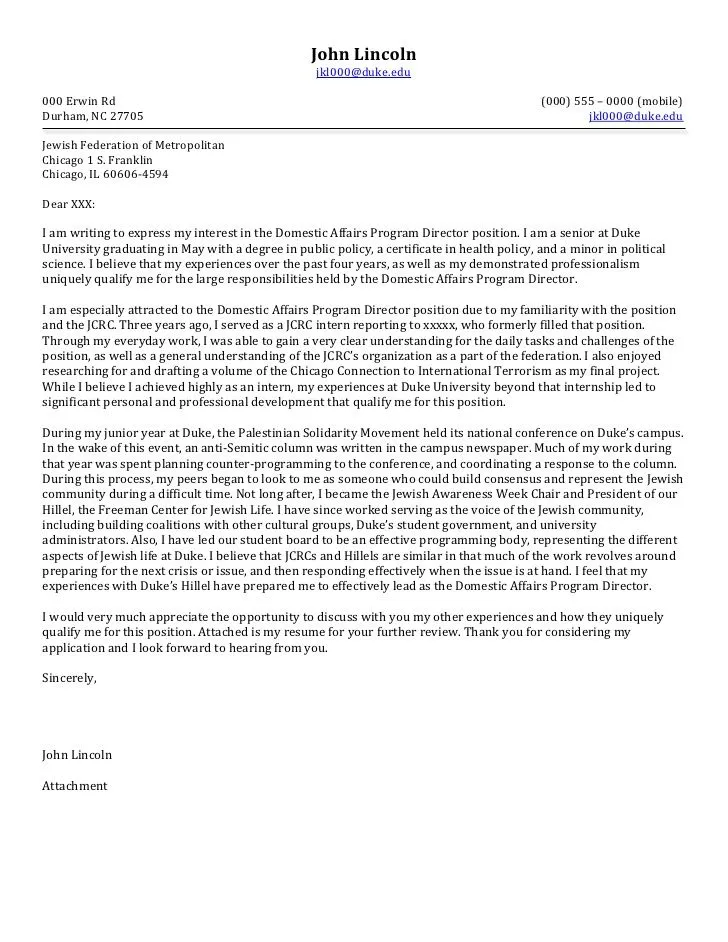
What is a Nonprofit Cover Letter
A nonprofit cover letter is a formal document accompanying your resume when you apply for a job at a nonprofit organization. Unlike a general cover letter, a nonprofit cover letter should demonstrate not only your qualifications and skills but also your understanding of the organization’s mission, values, and the specific role you are seeking. It is your opportunity to make a compelling case why you are the perfect fit for their team and to showcase your passion for their cause. This letter serves as a crucial tool in introducing yourself to potential employers in the nonprofit sector, providing a platform to articulate your aspirations and how you can contribute to their organizational goals. It allows you to express your alignment with the organization’s mission beyond what a resume can convey.
Why is a Cover Letter Important for Nonprofits
In the competitive landscape of the nonprofit sector, a well-crafted cover letter is indispensable. It’s your initial point of contact with the hiring manager and offers you the chance to make a lasting impression. Nonprofits are often mission-driven, so they seek individuals whose personal values align with their organizational goals. A cover letter provides the perfect platform to express this alignment and demonstrate your sincere interest in the cause. It adds a layer of personalization that helps you stand out from other applicants who may only submit a resume. Additionally, it enables you to elaborate on your skills and experiences, making them relevant to the specific job requirements, and highlighting how you can contribute meaningfully to the organization’s success. By showing your understanding of the nonprofit’s work and expressing your passion, you increase your chances of securing an interview.
Highlight Your Passion and Values

Your cover letter should clearly articulate your passion for the nonprofit’s mission and the cause it supports. Reflect on why you are drawn to the organization and what aspects of their work resonate with you personally. Briefly share any personal experiences or motivations that fuel your interest. This shows the hiring manager that you are not just looking for a job, but also a believer in their mission. Demonstrate that you understand the organization’s values and how your values align with theirs. Be specific and provide examples to illustrate your points. For instance, if the nonprofit is focused on environmental conservation, discuss your personal experiences with nature and why you are committed to protecting the environment. This connection will make your application more impactful.
Showcase Relevant Experience
While your resume provides an overview of your experience, your cover letter lets you delve deeper into your relevant skills and qualifications. Focus on the experiences that directly relate to the job description and the nonprofit’s needs. Describe how your previous roles or volunteer work have prepared you for the position. Use specific examples of your accomplishments and highlight the impact you made in those roles. Quantify your achievements whenever possible to demonstrate your effectiveness. For instance, instead of saying, ‘Managed social media accounts’, you might write ‘Increased social media engagement by 30% in six months’. Show the hiring manager that you not only have the skills but also the ability to deliver results that will benefit the organization.
Tailor Your Letter to the Organization
Generic cover letters rarely impress. Customizing your cover letter for each nonprofit organization demonstrates your genuine interest and understanding of their specific work. Research the organization thoroughly before writing your letter. Study their mission statement, recent projects, and values to understand their current priorities. Refer to specific initiatives or programs the organization is involved in and explain why they appeal to you. Mention how your skills can contribute to these initiatives. Make sure the tone and style of your cover letter match the organization’s brand. Use keywords from the job description to show that you meet the requirements. Personalizing your cover letter in this way shows the hiring manager that you are committed and invested in their organization.
Quantify Your Achievements

Numbers speak volumes in a cover letter. Whenever possible, quantify your accomplishments to demonstrate the impact of your contributions. Instead of vague statements, provide concrete data and statistics. For example, instead of saying, ‘Increased fundraising efforts,’ write ‘Increased fundraising revenue by 20% through successful grant writing’. Use metrics to illustrate your successes in previous roles, such as the number of people you helped, the amount of money you raised, or the percentage of improvement in a key area. Quantifying your achievements offers concrete evidence of your abilities and helps the hiring manager understand the value you bring to the table. This demonstrates your focus on achieving measurable results, which is essential for any nonprofit.
Proofread and Edit Carefully
Proofreading is crucial in ensuring your cover letter is polished and professional. Errors in grammar, spelling, or punctuation can undermine your credibility and create a negative impression. Before submitting your cover letter, carefully review it for any mistakes. Use spell-check and grammar-check tools, but don’t rely on them entirely. Read your letter aloud to catch any awkward phrasing or unclear sentences. If possible, ask a friend or colleague to review your cover letter. A fresh pair of eyes can often spot errors you might have missed. A well-edited cover letter demonstrates attention to detail, which is highly valued in the nonprofit sector. It shows that you take your application seriously and are committed to presenting yourself in the best possible light.
Key Elements of a Successful Cover Letter
Contact Information and Date

Start your cover letter with your contact information, including your name, address, phone number, and email address. Include the date below your contact information. Ensure your contact information is up-to-date and professional. Follow this with the name, title, and address of the hiring manager, if you know it. If not, you can use a general salutation such as ‘Dear Hiring Committee.’
Opening Paragraph
The opening paragraph is your chance to grab the reader’s attention. Start with a strong statement that highlights why you are applying and why you are excited about the opportunity. Briefly mention the position you are applying for and where you found the job posting. Clearly state your interest in the organization’s mission and give a concise overview of your relevant experience and skills. This paragraph should immediately capture the hiring manager’s interest and make them want to continue reading.
Body Paragraphs
The body of your cover letter is where you elaborate on your qualifications and demonstrate how they align with the organization’s needs. Use two to three paragraphs to highlight your most relevant experiences, skills, and achievements. Provide specific examples to showcase your abilities and the impact you’ve made in past roles. Tailor your examples to the job description, referencing the key requirements and keywords. Focus on the value you can bring to the organization and how you can contribute to their mission. This section allows you to explain your skills in more detail than a resume.
Closing Paragraph

The closing paragraph should reiterate your interest in the position and the organization. Thank the hiring manager for their time and consideration. Express your enthusiasm for the opportunity to discuss your qualifications further. Include a call to action, such as stating that you are available for an interview and look forward to hearing from them soon. Reiterate your contact information one last time. End with a professional closing such as ‘Sincerely’ or ‘Best regards,’ followed by your name.
Cover Letter Formatting Tips
Font and Style
Choose a professional and easy-to-read font, such as Times New Roman, Arial, or Calibri. Keep the font size between 10 and 12 points. Maintain consistent formatting throughout your cover letter. Use a clear and organized layout with appropriate spacing and margins. Avoid using overly stylized fonts or graphics that might distract from the content. A clean and professional format enhances readability and demonstrates your attention to detail.
Length and Structure

Keep your cover letter concise and focused. Aim for a single page, unless specifically requested otherwise. Use a clear structure with distinct paragraphs for each section. Start with an introduction that states your purpose, followed by body paragraphs that detail your qualifications, and conclude with a closing that reiterates your interest and includes a call to action. Break up large blocks of text into shorter paragraphs to improve readability. Use headings and bullet points, if appropriate, to organize information and make your letter easy to scan.
How to Address the Letter
If possible, address the cover letter to a specific person, ideally the hiring manager or the person listed in the job posting. Research the organization to find out the correct name and title. If you cannot find a specific name, use a professional salutation such as ‘Dear Hiring Manager’ or ‘Dear [Department Name] Team’. Avoid generic greetings like ‘To Whom It May Concern’. Ensure you spell the person’s name correctly and use the appropriate title. Using the right name shows that you have taken the time to research the organization and are serious about the position.