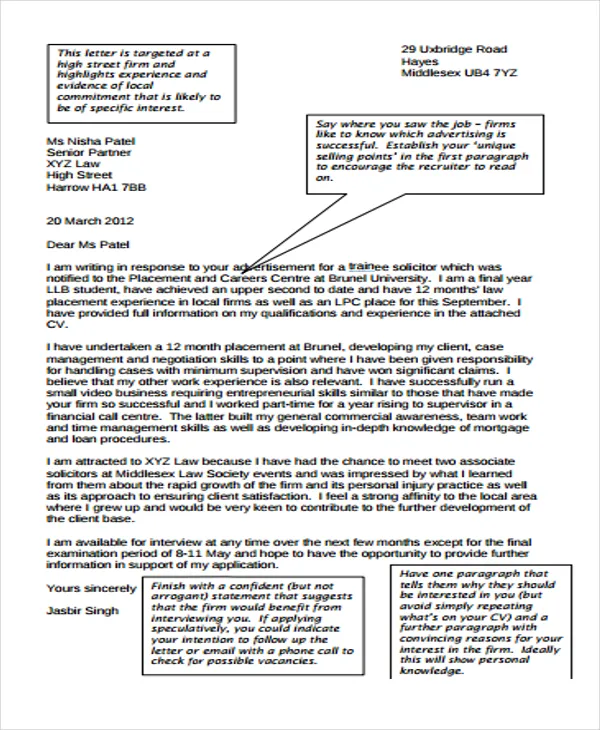
What Is a Law School Cover Letter
A law school cover letter is a crucial component of your application package. It serves as your introduction to the admissions committee, providing them with a glimpse into your personality, aspirations, and qualifications. Unlike the more factual and structured format of your resume, the cover letter offers you the opportunity to showcase your unique qualities and explain why you are a strong candidate for their law school. It’s your chance to make a positive first impression and set yourself apart from other applicants. It is important to be clear, concise, and compelling, highlighting your passion for the law and your suitability for their specific program.
Why Is a Law School Cover Letter Important
The importance of a law school cover letter cannot be overstated. It’s your opportunity to provide context to your application, elaborate on experiences listed in your resume, and demonstrate your communication skills. Admissions committees use the cover letter to assess your writing ability, critical thinking, and overall fit for their institution. A well-written letter can significantly boost your chances of acceptance, even if your academic record isn’t perfect. A cover letter helps you stand out by revealing aspects of your personality, motivation, and goals that a transcript or resume alone cannot convey. It demonstrates your genuine interest in the specific law school and your understanding of the legal profession.
Key Components of a Law School Cover Letter

A strong law school cover letter comprises several key elements. These components, when combined effectively, paint a complete picture of your qualifications and suitability for law school. Mastering these parts is crucial for making a positive impression and increasing your chances of acceptance. Each element contributes to the overall strength of your application, illustrating your communication skills, your understanding of the law, and your commitment to pursuing legal education.
Contact Information
Begin your cover letter with your contact information. This should include your full name, address, phone number, and email address. This information should be clearly presented and easy to find. Ensure that your email address is professional. It’s important to have this at the top, making it easy for the admissions committee to reach you should they need to. This section sets a professional tone and provides the necessary details for them to respond quickly.
Your Introduction & Purpose
Start your cover letter with a compelling introduction that immediately grabs the reader’s attention. State the purpose of your letter clearly: to apply for admission to their law school. Briefly mention your interest in law and your specific reasons for choosing their institution. Highlight what you hope to achieve and what you’re looking for. This sets the stage for the rest of your letter and provides the admissions committee with an overview of your goals and motivations. Make sure your introduction is concise and enthusiastic, demonstrating your passion for the law.
Highlighting Your Achievements & Skills

The body of your cover letter should detail your achievements, skills, and experiences. Use specific examples to demonstrate how you’ve acquired skills like critical thinking, problem-solving, and effective communication. Tailor these examples to highlight how your qualifications align with the law school’s values and requirements. This section offers you the opportunity to show why you are a good fit for the program and how you have been preparing for a career in law. These achievements should provide evidence of your potential and dedication.
Academic Achievements
Discuss your academic accomplishments, such as high grades, honors, and relevant coursework. If there are any aspects of your academic background that require explanation, such as a lower GPA, use this section to provide context, demonstrating how you have improved, or the circumstances that led to it. Highlight relevant courses or projects that showcase your analytical and research abilities. Emphasize any achievements, awards, or recognition that you have received during your studies. Showcase your academic capabilities, illustrating your potential to excel in law school.
Relevant Experience
Detail any relevant work experience, internships, or volunteer activities. Explain the roles and responsibilities you held and the skills you gained. Focus on experiences that demonstrate your understanding of the legal field, your ability to work in a team, and your commitment to justice. Quantify your achievements wherever possible. This can include the number of cases you assisted with, the number of clients you served, or the amount of money you helped raise. This section provides concrete evidence of your experience and commitment.
Leadership Qualities

Describe any leadership roles you have held in extracurricular activities, clubs, or organizations. Showcase your ability to motivate and lead others, as well as your ability to collaborate effectively. Provide specific examples of your leadership skills. Demonstrate your ability to manage teams, resolve conflicts, and achieve common goals. This is your chance to illustrate your qualities beyond academic achievement and experience.
Demonstrating Your Interest in the School
Showcase your genuine interest in the specific law school by mentioning what attracts you to their program. Highlight any unique aspects of their curriculum, faculty, or specializations that align with your interests and goals. Refer to specific professors whose work you admire, or mention particular programs or clinics that resonate with you. This personalization demonstrates that you’ve done your research and are genuinely invested in attending their school. Demonstrating interest in a law school’s unique offerings goes a long way.
Researching the Law School
Before writing your cover letter, research the law school thoroughly. Visit their website, read about their faculty, and explore their programs. Understand their mission, values, and any unique aspects of their curriculum. This research will enable you to tailor your letter, demonstrating that you understand what the school offers and why it aligns with your aspirations. Demonstrating this knowledge shows the admissions committee your commitment to their institution.
Tailoring Your Letter

Avoid using a generic cover letter. Customize each letter for the specific law school you are applying to. Mention the school’s name, and reference specific programs or professors that resonate with your interests. Tailoring your letter demonstrates that you are genuinely interested in their institution and have taken the time to understand their specific offerings. Tailoring shows you are making an effort to create a personal connection with the law school, which is a great way to make yourself stand out from the crowd.
Addressing Weaknesses
If there are any weaknesses in your application, such as a low GPA or a gap in your work history, address them directly and honestly. Explain the circumstances and provide context. Focus on the steps you have taken to improve or overcome these challenges. Turn the weakness into a positive by highlighting what you learned from the experience and how it has made you a stronger candidate. Addressing weaknesses shows self-awareness and maturity. It shows that you can learn and improve.
Addressing Gaps in Education
If you have any gaps in your education, such as taking time off from school or changing majors, briefly explain the reasons. Focus on what you did during the gap and how it has contributed to your personal or professional growth. Frame the gap positively, highlighting any skills or experiences you gained during that time. Briefly explaining any education gaps can help clarify your motivations and experiences to the admissions committee. Explaining any changes or gaps shows that you can address challenges and make thoughtful decisions.
Conclusion & Call to Action

Conclude your cover letter by summarizing your key qualifications and reiterating your interest in attending the law school. Express your enthusiasm for the opportunity to study law at their institution. Thank the admissions committee for their time and consideration. Include a clear call to action, such as stating that you look forward to hearing from them soon or that you are available for an interview. Ending on a strong note is key to leaving a lasting impression.
Thanking the Admissions Committee
Express your gratitude to the admissions committee for considering your application. Demonstrate your respect for their time by being concise and professional. This simple act of courtesy reinforces your professionalism and shows respect for their efforts. This final touch contributes to a positive overall impression, leaving them with a good impression of your character and courtesy.
Expressing Continued Interest
Reiterate your interest in the law school, and express your enthusiasm for the opportunity to study law at their institution. Show the admissions committee that you are truly invested in attending their program. Reinforcing your interest in the school creates a lasting impression of your genuine commitment. This final statement demonstrates your passion for law and provides the committee with the confidence that you have put in the effort needed.
Proofreading & Editing
Before submitting your cover letter, carefully proofread and edit it for any grammatical errors, spelling mistakes, or typos. Ensure that your writing is clear, concise, and professional. Ask a friend, mentor, or career counselor to review your letter and provide feedback. A polished cover letter reflects your attention to detail and professionalism. A well-proofread letter shows your attention to detail and seriousness about your application. Correcting these issues will help create a positive impression.
- Check for grammatical errors and typos
- Ensure clear and concise writing
- Seek feedback from others