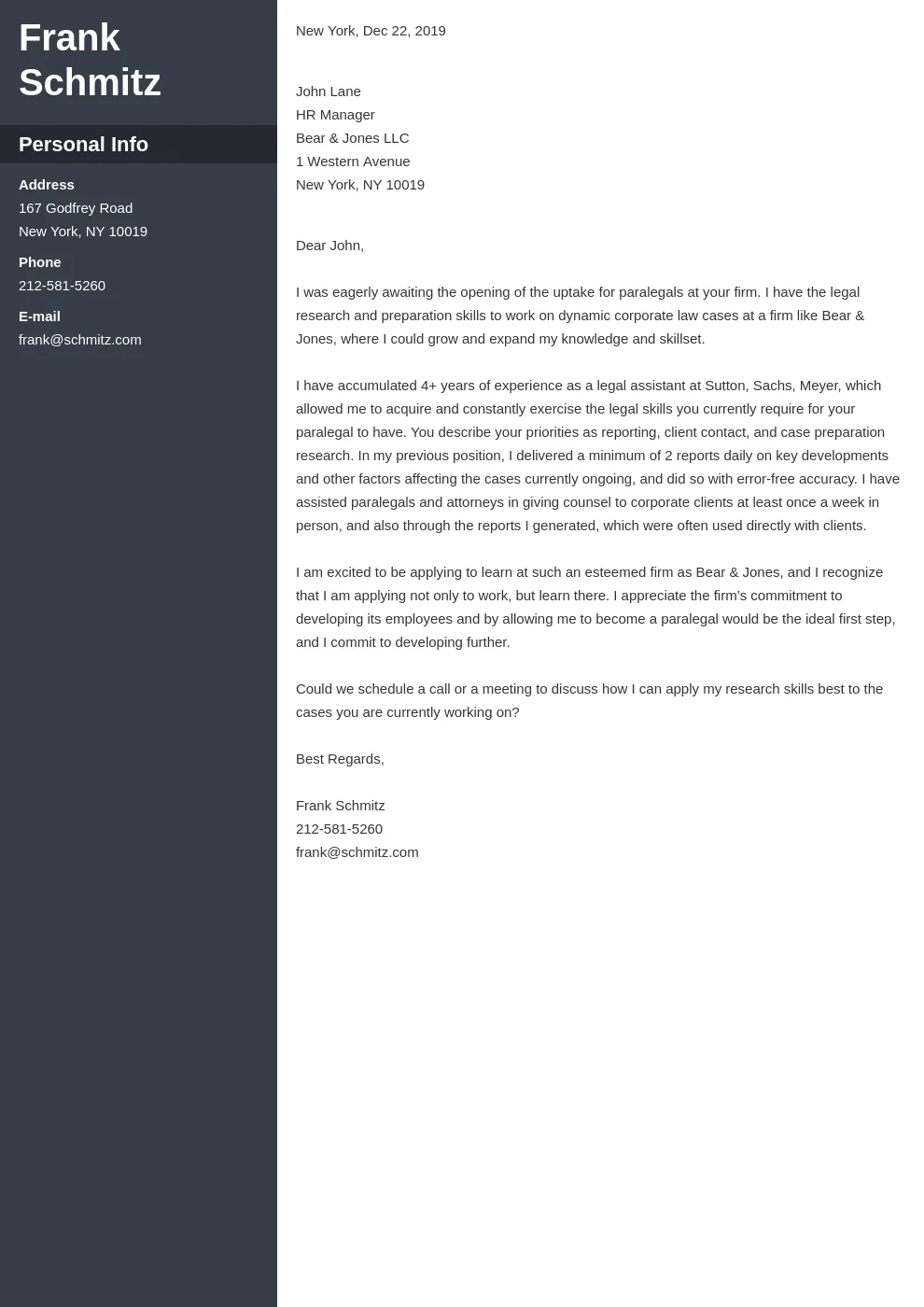
Law Cover Letter Tips
A well-crafted law cover letter is a crucial component of any legal job application. It serves as your first impression and an opportunity to showcase your skills, experience, and enthusiasm for the role. Unlike a resume, a cover letter allows you to provide context, explain your motivations, and demonstrate how your qualifications align with the specific requirements of the position. Mastering the art of writing an effective cover letter can significantly increase your chances of securing an interview and ultimately, landing your dream job in the legal field. This guide provides five essential tips to help you create a compelling law cover letter that stands out from the competition. Follow these tips and learn the art of making a great first impression with your application.
Highlighting Your Skills
Your law cover letter should prominently feature your relevant skills. Legal professionals need a diverse range of skills, from analytical thinking and research to strong writing and communication. Identify the key skills required for the specific role you are applying for and provide concrete examples of how you have utilized these skills in the past. Quantify your achievements whenever possible, such as the number of cases you assisted with, the percentage of successful outcomes you achieved, or the efficiency improvements you implemented. Use action verbs to describe your accomplishments and skills, such as ‘researched,’ ‘drafted,’ ’negotiated,’ or ‘argued.’ Tailor the skills you highlight to match the job description to show the hiring manager that you have what they are looking for. Using specific examples of your skills can prove your worth to the hiring manager.
Tailoring to the Job

Avoid using generic cover letters. Instead, customize each letter to the specific job and employer. Research the law firm or organization and understand their values, mission, and the types of cases they handle. Show the hiring manager that you have taken the time to learn about their organization and are genuinely interested in the position. Address the specific requirements and qualifications outlined in the job description, highlighting how your skills and experience align with their needs. This demonstrates that you have a clear understanding of the role and are a good fit for the team. Customization shows your attention to detail and genuine interest. Also, it’s okay to state that you will be a perfect addition to the team.
Showcasing Your Enthusiasm
Let your passion for the law and the specific opportunity shine through in your cover letter. Demonstrate your enthusiasm for the role, the firm, and the legal field. Explain why you are interested in this particular position and what motivates you to pursue a career in law. Share any relevant experiences or achievements that reflect your dedication and commitment to the profession. Showing enthusiasm can set you apart from other applicants. This can also show that you have a clear understanding of your goals, and how this job fits within your goals. Use positive and energetic language to convey your excitement and genuine interest. Make your enthusiasm clear, and the hiring manager will feel it too.
Formatting and Structure
A well-formatted and structured cover letter is easy to read and makes a positive impression. Use a professional font, such as Times New Roman or Arial, and maintain consistent formatting throughout the document. Start with a clear and concise heading that includes your contact information, the date, and the recipient’s information. Use a formal salutation, such as ‘Dear Mr./Ms. [Last Name]’ or ‘Dear Hiring Manager.’ Break your letter into logical paragraphs, each addressing a specific point. Keep your paragraphs concise and focused, avoiding lengthy sentences or complex jargon. End with a strong closing statement that reiterates your interest and expresses your gratitude for the opportunity. Proofread carefully to ensure there are no grammatical errors or typos. The format must be clear and easy to understand.
Proofreading and Editing

Before submitting your law cover letter, thoroughly proofread and edit it to catch any errors in grammar, spelling, or punctuation. Errors can undermine your credibility and make you appear unprofessional. Use a spell checker and grammar checker, but don’t rely on them entirely. Read your letter aloud to catch any awkward phrasing or sentence structure. Ask a friend, mentor, or career advisor to review your letter and provide feedback. Pay attention to the tone and style of your writing, ensuring it is professional and appropriate for the legal field. A polished and error-free cover letter demonstrates your attention to detail and commitment to excellence. A well-proofread letter is a key step in applying to a job.
Importance of a Compelling Law Cover Letter
A compelling law cover letter is far more than just a formality; it is a crucial tool in your job search arsenal. It provides an opportunity to introduce yourself, showcase your unique qualifications, and express your enthusiasm for a specific position. Unlike a resume, which offers a factual overview of your experience, a cover letter allows you to tell your story and demonstrate how your skills and aspirations align with the needs of the employer. A well-written cover letter can capture the hiring manager’s attention, distinguish you from other applicants, and significantly increase your chances of landing an interview. The importance of a strong cover letter can’t be understated, as it helps to provide context, personality, and motivation for your legal journey. The hiring manager wants to get to know you, as well as your skills.
Key Elements of a Strong Law Cover Letter
Several key elements contribute to a strong law cover letter. Start with a compelling opening that grabs the reader’s attention and clearly states the position you are applying for and where you saw it. In the body of the letter, highlight your most relevant skills and experiences, providing specific examples to demonstrate your abilities. Tailor your letter to the specific requirements of the job description, showing how your qualifications match the employer’s needs. Express your enthusiasm for the position and the firm, and explain why you are interested in working there. Always include a call to action, encouraging the reader to review your resume and contact you for an interview. Finally, maintain a professional tone, use proper grammar and punctuation, and proofread carefully before submitting your letter. These elements work together to make a compelling case for why you are the ideal candidate for the role.
Addressing the Hiring Manager

Addressing the hiring manager by name shows that you have done your research and are taking a personal approach. If possible, find out the name of the hiring manager and use it in your salutation, such as ‘Dear Mr./Ms. [Last Name].’ If you cannot find the hiring manager’s name, use a generic salutation, such as ‘Dear Hiring Manager’ or ‘Dear Recruiting Team.’ In the body of your letter, briefly mention how you learned about the position, such as through a job board or a networking contact. Show your understanding of the firm’s work and the specific role you are applying for. Tailor your letter to the hiring manager, highlighting how your skills and experience align with their needs. Make it personal, and make them understand that you want to work for them. This personalization shows initiative.
Demonstrating Relevant Experience
When showcasing your experience, focus on the skills and achievements that are most relevant to the job you are applying for. Instead of simply listing your past roles, describe your responsibilities and accomplishments using action verbs. Quantify your achievements whenever possible, using numbers and data to illustrate your impact. For example, you might say, ‘Managed a caseload of 50+ clients,’ or ‘Successfully negotiated settlements in 80% of cases.’ Provide specific examples of how you have applied your skills and knowledge in previous positions. For instance, if the job requires strong research skills, describe a time when you conducted in-depth legal research and used your findings to achieve a positive outcome. Highlighting specific achievements is a great way to convey that you’re the perfect person for the job. Make sure to tailor your experience to match the job requirements.
Expressing Your Career Goals
Your law cover letter should also touch on your career goals and how the position aligns with your aspirations. Briefly state your long-term career objectives and explain why you are interested in this particular role. Show the hiring manager that you have a clear vision for your future and are seeking a position that will help you achieve your goals. Demonstrate your understanding of the firm’s work and explain how your skills and experience can contribute to their success. Indicate how this opportunity aligns with your goals, such as gaining experience in a specific area of law, working with a particular team, or contributing to the firm’s mission. Aligning your goals shows you are serious, and that you have thought about how this role can work for you and the company.
Law Cover Letter Examples

Reviewing law cover letter examples can provide valuable insights and guidance when writing your own. Different types of examples can help you tailor your letter to specific situations and job levels. Here are a few example types and what makes them work.
Example 1 Entry Level
An entry-level cover letter should focus on your academic achievements, relevant coursework, and any internships or volunteer experiences you have. Highlight any skills you have acquired, such as research, writing, or communication. If you are a recent graduate, emphasize your coursework, projects, and any academic awards or honors you have received. If you have completed internships, describe your responsibilities and accomplishments, such as assisting with legal research, drafting documents, or observing court proceedings. Make sure to demonstrate your enthusiasm and a clear understanding of your goals and the firm’s needs. Include any relevant achievements, such as pro bono work. Show how you can fit in and make a difference.
Example 2 Experienced Lawyer
An experienced lawyer’s cover letter should showcase their years of experience, specific expertise, and proven track record of success. Focus on your significant accomplishments, such as successful case outcomes, client achievements, and contributions to the firm. Provide quantifiable results, such as the number of cases you have handled, the settlements you have secured, or the revenue you have generated. Highlight your leadership skills, such as managing a team or mentoring junior attorneys. Tailor your letter to the specific role, emphasizing the relevant experience and skills that align with the job requirements. Always mention your skills and experience that you know the firm is looking for. Highlight your history.
Example 3 Law Student

A law student’s cover letter should emphasize your academic achievements, relevant coursework, and any practical experience you have gained through internships, clinics, or volunteer work. Highlight your research, writing, and analytical skills. If you have participated in moot court, mock trial, or law review, mention your involvement and any honors or awards you have received. Focus on your practical skills, like how you will be an asset to the firm. Even if you have little practical experience, show your enthusiasm and a willingness to learn. Express your interest in the specific area of law and explain why you are seeking an internship or entry-level position with the firm. Tailor your letter to the specific opportunity, highlighting the skills and experiences that align with the job description.