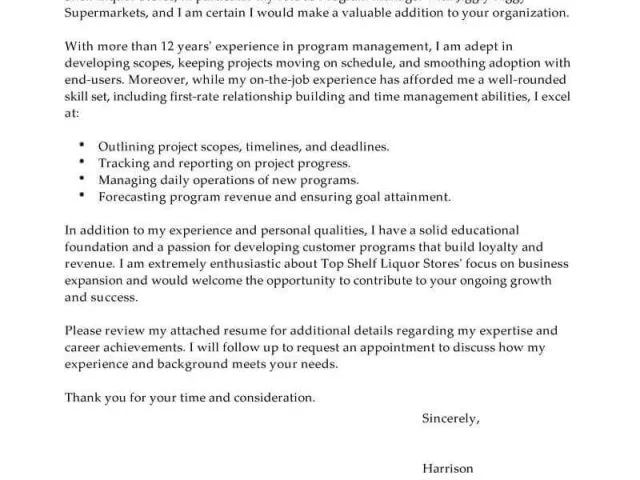
What is a Cover Letter and Why is it Important
A cover letter is a crucial document that accompanies your resume when applying for a job. It serves as your first introduction to a potential employer, providing a concise overview of your qualifications and expressing your interest in the specific position. Think of it as a personalized sales pitch, designed to capture the hiring manager’s attention and entice them to delve deeper into your resume. Unlike a resume, which provides a factual account of your experience and skills, a cover letter allows you to showcase your personality, communication skills, and enthusiasm for the role and the company. A well-crafted cover letter can significantly increase your chances of securing an interview, as it allows you to stand out from other applicants by demonstrating how your skills and experience align with the job requirements and the company’s values. By taking the time to write a compelling cover letter, you are not just sending a document; you are making a statement about your commitment, attention to detail, and genuine interest in the opportunity.
The importance of a cover letter cannot be overstated, especially in today’s competitive job market. It’s an opportunity to go beyond the bullet points of your resume and tell your story. A cover letter allows you to explain any gaps in your employment history, highlight your achievements in a more narrative way, and demonstrate your understanding of the company and the role. Moreover, it shows that you’ve taken the extra step to personalize your application, indicating a higher level of interest and dedication. In many cases, a cover letter is the deciding factor between getting an interview and being passed over. Without a strong cover letter, your resume might be overlooked, even if you possess the necessary qualifications. A well-written cover letter also provides an opportunity to showcase your writing and communication skills, which are essential in almost every professional setting. Therefore, investing time and effort into crafting a compelling cover letter is a strategic move that significantly increases your chances of landing your dream job. Remember, it’s your chance to make a memorable first impression and set yourself apart from the competition.
Cover Letter Secrets Revealed
Unlocking the secrets to a successful cover letter involves a combination of strategic content, compelling language, and thoughtful formatting. One of the most important secrets is to research the company and the specific role thoroughly. Tailor your letter to match the requirements and the culture of the company. This level of personalization immediately sets you apart from generic applicants. Begin with a strong opening that grabs the reader’s attention. Avoid generic greetings like “Dear Sir/Madam” and instead, address the hiring manager by name if possible. This demonstrates that you have done your research and are genuinely interested. The body of your letter should highlight your relevant skills and experiences, using specific examples to illustrate your achievements. Quantify your accomplishments whenever possible, using numbers and data to showcase your impact. Moreover, it’s a secret to showcase your enthusiasm for the position and the company. Explain why you are excited about the opportunity and what you hope to contribute. By expressing your genuine interest, you can make a memorable impression.
Another key secret is to use action verbs to convey your accomplishments and skills powerfully. Verbs like “led,” “managed,” “achieved,” and “developed” create a sense of momentum and accomplishment. Make sure your cover letter is easy to read and well-formatted. Use clear and concise language, and break up long paragraphs into shorter, more manageable sections. Proofread your letter carefully for any grammatical errors or typos. Errors can undermine your credibility. Your cover letter should be a reflection of your professional brand. Make sure it aligns with your resume and overall career goals. Lastly, always end with a strong call to action, such as expressing your eagerness to discuss your qualifications further in an interview. By implementing these secrets, you can significantly increase your chances of creating a cover letter that stands out and helps you land your desired job.
Highlighting Your Achievements in a Cover Letter

A cover letter is a perfect place to showcase your achievements beyond just listing your responsibilities. The key is to go beyond the ordinary and emphasize your accomplishments and the impact you have made in previous roles. Start by identifying your most significant achievements in each of your past positions. Think about the projects you led, the problems you solved, and the results you delivered. Use the STAR method (Situation, Task, Action, Result) to structure your achievement stories. Describe the situation you were in, the task you had to complete, the actions you took, and the positive results you achieved. This framework helps you provide a clear and compelling narrative. Instead of simply stating that you managed a team, highlight the results of your management. For example, “Led a team of 10 employees, increasing project completion rates by 20% and reducing project costs by 15%.” See? It is important to quantify your achievements whenever possible by using numbers, percentages, and specific data to demonstrate your impact. This makes your claims more credible and shows tangible results.
Tailor your achievements to match the specific requirements of the job you are applying for. Review the job description carefully and identify the key skills and experiences the employer is seeking. Then, highlight the achievements that demonstrate you possess those skills. By tailoring your achievements, you show that you understand the job requirements and can deliver the desired results. Use strong action verbs to start your sentences and make your achievements more dynamic and impactful. Instead of “Responsible for customer service,” try “Resolved customer complaints, increasing customer satisfaction scores by 15%.” Proofread your cover letter meticulously to ensure that your achievements are clear, concise, and free of errors. The more effectively you highlight your achievements, the more likely you are to impress the hiring manager and get an interview.
Use Action Verbs to Showcase Your Skills
One of the most effective ways to make your cover letter stand out is by using powerful action verbs. Action verbs are the words that bring your achievements to life and vividly illustrate your skills and experience. They help you convey your contributions and impact in a way that is clear, concise, and memorable. Begin by creating a list of action verbs that accurately describe your skills and experiences. Common action verbs include “led,” “managed,” “achieved,” “developed,” “created,” “implemented,” “improved,” “organized,” and “coordinated.” Consider verbs related to your industry and the specific role you are applying for. The verb “led” is for leadership roles. Verbs like “analyzed,” “researched,” or “investigated” are perfect for analytical positions. Use these verbs throughout your cover letter to describe your accomplishments and responsibilities. This will make your letter more engaging and highlight your skills effectively.
When describing your achievements, start each sentence with an action verb to grab the reader’s attention. Use specific examples to illustrate your accomplishments. For example, instead of saying “Responsible for managing social media,” you could write “Managed social media campaigns, increasing follower engagement by 30% and driving a 15% increase in website traffic.” This makes your accomplishments more measurable and impressive. Vary your choice of action verbs to avoid sounding repetitive. Use a thesaurus to find synonyms and add dynamism to your writing. Instead of always using “managed,” you could use “oversaw,” “directed,” or “coordinated.” Use strong action verbs to effectively communicate your skills, the impact you made in your previous roles, and your enthusiasm for the new opportunity.
Cover Letter Formatting for Impact
Your cover letter’s format is just as important as its content. A well-formatted cover letter is easy to read, visually appealing, and makes a positive first impression. It’s essential to choose a professional and clean font, such as Times New Roman, Arial, or Calibri, with a font size of 11 or 12 points. Stick to a standard format with consistent spacing and margins. Generally, use 1-inch margins on all sides of your letter. Use single or 1.15 line spacing to enhance readability. Break up the text into short, concise paragraphs. This will help to avoid long blocks of text, which can be intimidating for the reader. A well-formatted cover letter is easy on the eyes and more likely to capture the hiring manager’s attention. Use headings and bullet points to organize your content and make it easier to scan. This will help the reader quickly identify the key information you want to convey.
The header of your cover letter should include your name, contact information (phone number, email address, and LinkedIn profile URL), and the date. Address the letter to the hiring manager by name if possible. Proofread your cover letter carefully before sending it to ensure there are no typos or grammatical errors. Errors can undermine your credibility. Save your cover letter as a PDF file. This ensures that your formatting is preserved when the hiring manager opens the document. Before sending the cover letter, test the PDF by opening it on different devices to ensure that everything appears correctly. By following these formatting guidelines, you can create a cover letter that is visually appealing, easy to read, and makes a strong impression on the hiring manager.
Tailoring Your Cover Letter for Each Job

Customizing your cover letter for each job is absolutely essential. A generic cover letter is unlikely to make a positive impression on hiring managers. The time and effort you spend tailoring your letter for each application demonstrates your interest in the specific role and the company. It significantly increases your chances of getting noticed. Review the job description carefully. Identify the key skills, experiences, and qualifications the employer is seeking. Then, highlight the relevant experiences from your resume that directly match those requirements. Explain how your skills and experiences align with the job requirements. Give specific examples to illustrate your qualifications. Demonstrate your understanding of the company’s mission, values, and goals. Research the company. Visit their website, read news articles, and explore their social media profiles. Mention specific projects, initiatives, or values that resonate with you. This demonstrates your genuine interest and commitment.
Address the hiring manager by name. If you can’t find the name, try researching on LinkedIn or the company website. Show that you have taken the time to learn about the company and the specific job. Use keywords from the job description throughout your cover letter. This helps demonstrate that you have the necessary skills and experience. Proofread your cover letter carefully before submitting it to ensure that it’s free of any errors. Make sure to customize your cover letter, ensuring that it is tailored for each job application. This extra effort can make a significant difference in your job search success and increase your chances of landing an interview.
Keywords and ATS Optimization in Cover Letters
Understanding the role of keywords and optimizing your cover letter for Applicant Tracking Systems (ATS) is crucial in today’s job market. Many companies use ATS to screen applications. These systems scan your resume and cover letter for keywords that match the requirements of the job description. Including relevant keywords in your cover letter can increase your chances of passing the initial screening and getting your application seen by a human. Review the job description carefully. Identify the key skills, experiences, and qualifications the employer is looking for. Pay attention to the specific terms used in the job description. These are the keywords that the ATS will be looking for. Use these keywords naturally throughout your cover letter. Place them in the skills section, in your descriptions of your achievements, and in any other areas where they are relevant.
Avoid keyword stuffing. This means overusing keywords in a way that makes your cover letter sound unnatural. Instead, integrate keywords into your sentences in a way that flows naturally and enhances the readability. Use a variety of keywords. Don’t just rely on the same keyword repeatedly. Use a thesaurus to find synonyms for the keywords in the job description. Use the company’s job description for the keywords. Format your cover letter in a way that is ATS-friendly. Use a clean, professional font, avoid tables and graphics. Save your cover letter as a PDF file. PDF files are generally more compatible with ATS systems than other file formats. By strategically incorporating keywords and formatting your cover letter for ATS compatibility, you can significantly improve your chances of getting your application noticed by the hiring manager.
Different Cover Letter Formats
There are several different cover letter formats, each designed to highlight different aspects of your qualifications and suit various job search situations. The most common formats include the classic cover letter, the skills-based cover letter, and the concise cover letter. The classic cover letter is the standard format, focusing on your work history and detailing your accomplishments. Use this format when your experience directly aligns with the job requirements. The skills-based cover letter emphasizes your skills and abilities, rather than your work history. This format is useful if you are changing careers, have gaps in your employment history, or are a recent graduate. The concise cover letter is a shorter version of the standard cover letter, typically used when applying for jobs online or when you want to make a quick impression. Keep it brief and focus on your most relevant qualifications.
The networking cover letter is for connecting with an individual. It emphasizes your relationship with the person and how they can help you. The application cover letter accompanies your resume and focuses on your qualifications for the specific job you are applying for. Research the company and the job. Tailor the format to fit the job and your career goals. Proofread your cover letter carefully to ensure that it is free of errors. Using the correct format can help make your letter more effective and increase your chances of securing an interview. Choose the format that best represents your skills and experience.
The Dos and Don’ts of Cover Letters

Following the dos and avoiding the don’ts of cover letters can greatly improve your chances of success. Here are some key recommendations for your cover letter. Always tailor your cover letter to each job. Research the company and the specific role, and address the hiring manager by name if possible. Highlight the key skills and experiences that match the job requirements, and use specific examples to showcase your achievements. Use strong action verbs to describe your accomplishments and quantify your achievements whenever possible. Use a professional and clean format, with clear headings, bullet points, and concise paragraphs. Proofread your cover letter carefully for any errors, including grammar, spelling, and punctuation. End with a strong call to action, expressing your interest in the position and your desire to discuss your qualifications further.
Here are some things to avoid. Do not use a generic cover letter. Avoid sending a generic letter to multiple employers. Never lie or exaggerate your skills or experience, and don’t ramble or write a cover letter that is too long. Don’t focus solely on what you want. Always focus on the value you can bring to the company. Avoid using clichés or overly formal language. Instead, write in a natural, conversational style. Don’t just repeat your resume. Provide additional information and insights that are not included in your resume. Don’t forget to proofread your cover letter. Carefully checking for errors will help ensure that your cover letter is polished and professional.
Cover Letter Examples and Samples
Reviewing cover letter examples and samples can provide valuable insights and help you craft your own effective cover letter. Look for examples that match your industry and the type of job you are applying for. Pay attention to the structure, formatting, and language used in the samples. Look for the opening paragraph to make a strong first impression, highlighting their interest in the role. The body paragraphs show the candidate’s qualifications and showcase their skills and experiences in a way that aligns with the job requirements. The use of action verbs to describe the accomplishments. Look for examples of how the candidate quantifies their achievements. Notice how they tailor the cover letter to match the specific job description and the company’s mission and values.
The ending paragraph expresses the candidate’s enthusiasm for the role and their desire to be interviewed. Modify the sample cover letters to match your own skills and experiences. Remember that the examples are for inspiration only. Always customize your cover letter to reflect your unique qualifications and the requirements of the specific job. Adapt the structure, content, and language to align with your personal brand and the culture of the company. By reviewing examples and samples, you can create a cover letter that is professional, engaging, and increases your chances of getting an interview.