What is a Job Fair Cover Letter
A job fair cover letter is a tailored document you bring to a job fair, supplementing your resume and introducing yourself to potential employers. Unlike a general cover letter sent with an online application, this letter is designed for in-person interactions. It’s a quick, impactful summary of your skills and experiences, highlighting why you’re a good fit for the companies attending the event. It shows that you’ve done your homework and are genuinely interested in the opportunities available. The cover letter acts as a strategic tool, enabling you to make a strong first impression and facilitate meaningful conversations with recruiters and hiring managers at the job fair.
Why You Need a Job Fair Cover Letter
In a crowded job fair environment, a well-crafted cover letter gives you a distinct advantage. It shows that you’re prepared and professional, setting you apart from other job seekers. It helps you articulate your career goals and demonstrates your understanding of the companies you’re targeting. By tailoring the letter to specific companies, you signal your genuine interest and initiative. This personalized approach can significantly increase your chances of securing an interview or being remembered by recruiters. The cover letter also serves as a concise talking point, making it easier to discuss your qualifications and experiences during brief interactions at the job fair. This proactive strategy demonstrates your dedication to your job search, making a lasting positive impression on the recruiters.
How to Write a Job Fair Cover Letter

Writing an effective job fair cover letter involves several key steps to ensure it makes a positive impact. Your goal is to quickly capture the hiring manager’s attention, demonstrate your relevant skills, and express your enthusiasm for the opportunity. It’s about being strategic, focused, and making a memorable impression in a short amount of time. Remember to keep it concise, highlighting the most pertinent information that aligns with the companies and roles you’re interested in. A well-structured cover letter is a valuable asset in your job search toolkit, allowing you to leave a lasting impression at the job fair.
Research the Companies Attending
Before the job fair, thoroughly research the companies that will be present. Visit their websites, read about their recent projects, and understand their company culture. This preparation is vital for tailoring your cover letter and demonstrating your genuine interest. Identify specific roles that align with your skills and experiences. Note any recent news, awards, or initiatives that you can mention to show your awareness. This targeted approach not only helps you personalize your cover letter but also allows you to engage in more informed and meaningful conversations with company representatives. Showing that you’ve done your homework sets you apart and proves your proactive approach to your job search.
Tailor Your Letter to Each Company
Avoid sending a generic cover letter. Customize your letter for each company you plan to approach at the job fair. Mention specific aspects of the company that interest you, referencing their mission, values, or recent achievements. This demonstrates your genuine interest and that you’ve taken the time to understand their needs. Highlight how your skills and experiences directly align with their job openings and what you can bring to their team. Tailoring your cover letter shows recruiters that you’re not just looking for any job, but specifically interested in their company and the opportunities they offer. This personalized approach significantly increases the impact of your letter.
Highlight Relevant Skills and Experiences

Focus on the skills and experiences most relevant to the positions you’re targeting. Use action verbs to describe your accomplishments, and quantify your achievements whenever possible. For example, instead of saying you ‘managed projects,’ state that you ‘managed a team of five people, delivering projects on time and under budget.’ This provides concrete evidence of your capabilities. Tailor the highlighted skills and experiences to match the specific requirements of each company. Emphasize your key strengths and how they align with the company’s needs, making it clear how you can contribute to their success. This focused approach allows recruiters to quickly understand your value proposition and how you can make a positive impact.
Emphasize Your Enthusiasm
Express your genuine enthusiasm for the company and the opportunity. Show your excitement for the work they do and your eagerness to contribute. Mention specific projects or aspects of the company that you find particularly compelling. Use positive and engaging language to convey your passion. A sincere expression of enthusiasm can make a strong impression and make you more memorable. This is particularly important at a job fair, where recruiters want to see that you’re genuinely interested in their organization. Letting your excitement shine through can significantly increase your chances of making a positive connection and securing a follow-up interview.
Keep it Concise
Given the short interactions at a job fair, brevity is key. Aim for a one-page cover letter. Keep your paragraphs short and to the point, focusing on the most critical information. Use bullet points to highlight key skills or accomplishments. Avoid unnecessary jargon or lengthy explanations. Your goal is to provide a clear and concise overview of your qualifications, pique the recruiter’s interest, and encourage them to learn more. Being succinct ensures that your key messages are easily understood and remembered, making a lasting impression in a short amount of time.
Formatting Your Job Fair Cover Letter

Proper formatting enhances readability and professionalism. Ensure your cover letter is visually appealing and easy to navigate. A well-formatted letter shows that you pay attention to detail and are organized. Clear formatting is essential to create a positive first impression and make it easier for recruiters to quickly grasp the key points of your qualifications.
Use a Professional Font
Choose a professional and easy-to-read font such as Times New Roman, Arial, or Calibri. Keep the font size between 10 and 12 points. Ensure that your font choice is consistent throughout the letter. A clean and legible font enhances readability and creates a polished look. Avoiding overly decorative or unusual fonts demonstrates professionalism and makes your cover letter more accessible to the reader.
Include a Clear Header
Include a header with your contact information, including your name, phone number, email address, and LinkedIn profile URL. Ensure that your header is well-organized and easily visible. This allows recruiters to quickly find your contact details and reach out to you. Consider including the date and, if applicable, the name of the hiring manager or recruiter. A well-formatted header adds to the overall professionalism and makes your contact information easily accessible for recruiters.
Address the Hiring Manager Directly

If possible, address your cover letter to a specific person at the company. Research the hiring manager’s name or the recruiter’s name beforehand. If you can’t find a specific name, use a professional salutation such as ‘Dear Hiring Manager.’ Addressing the letter directly shows that you’ve taken the time to personalize your application, which can make a positive impression. Using the correct name demonstrates that you’ve done your research and are genuinely interested in the company, which enhances your chances of capturing their attention.
Example Job Fair Cover Letter
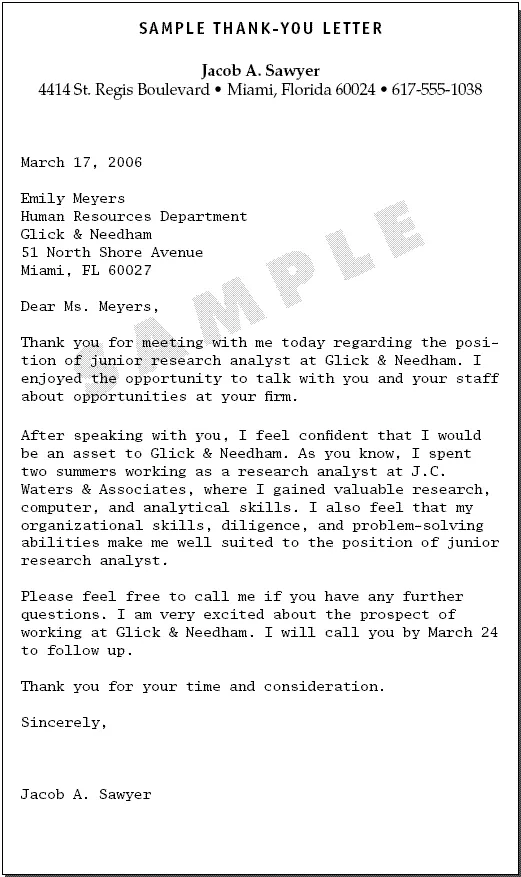
Include here an example cover letter. This will give the user an idea of how it looks.
Key Takeaways and Best Practices
To create a standout job fair cover letter, focus on personalization, relevance, and concise communication. Research each company, tailor your letter to their specific needs, and highlight the most relevant skills and experiences. Keep your letter brief, use a professional format, and proofread carefully. Express your enthusiasm for the opportunity and be prepared to discuss your qualifications in person. These practices enhance your chances of creating a positive impression and stand out from other job seekers. By following these key takeaways, you can effectively use your cover letter to secure interviews and achieve your career goals.
Proofread Carefully

Before submitting your cover letter, carefully proofread it for any errors in grammar, spelling, and punctuation. Errors can undermine your credibility and professionalism. Use spell-check and grammar-check tools, but also read the letter aloud to catch any mistakes that those tools might miss. Having a friend or career advisor review your letter can also help you find any areas that need improvement. A polished and error-free cover letter reflects your attention to detail and commitment to quality.
Follow Up After the Job Fair
After the job fair, follow up with the companies you spoke with. Send a thank-you email to the recruiters or hiring managers you met, reiterating your interest and attaching your cover letter and resume. If you discussed specific job openings, mention them in your email. Following up shows your continued interest and initiative, which can make a lasting impression. This follow-up reinforces your enthusiasm and professionalism, increasing your chances of moving forward in the application process and making a lasting positive impression.