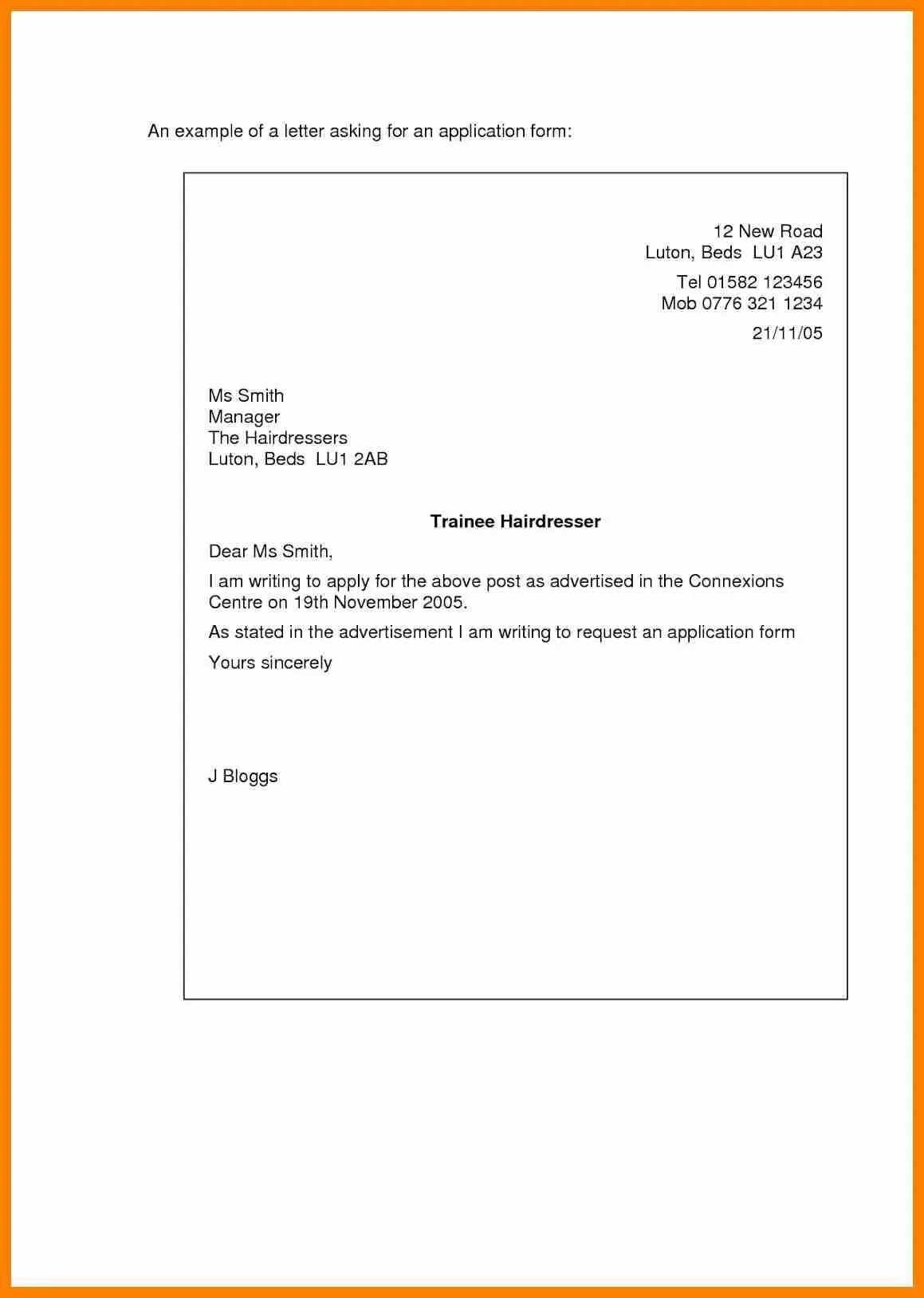
Crafting the Perfect Job Email Cover Letter
In today’s competitive job market, a well-crafted job email cover letter is essential for making a strong first impression. It is your opportunity to introduce yourself, highlight your qualifications, and demonstrate your enthusiasm for the role. This guide will walk you through the process of creating a compelling cover letter that captures the attention of hiring managers and increases your chances of landing an interview. A job email cover letter is often the first point of contact you have with a potential employer. It is an opportunity to showcase your personality and enthusiasm, beyond the dry facts listed on your resume. A well-written cover letter can be the deciding factor in whether your application is considered or not. This is your chance to sell yourself.
Understanding the Purpose of a Job Email Cover Letter
The primary purpose of a job email cover letter is to complement your resume by providing context and expanding on your qualifications. It allows you to explain why you are a good fit for the specific job and the company. It showcases your communication skills, writing abilities, and attention to detail. A cover letter is not just a summary of your resume; it’s a chance to tell a story about your career aspirations and how you can contribute to the organization. It’s a chance to show you’ve done your research and understand the company’s needs and values. Moreover, a cover letter can highlight your personality and enthusiasm, setting you apart from other applicants.
Key Components of a Job Email Cover Letter

A well-structured job email cover letter typically includes several key components, each serving a specific purpose in conveying your qualifications and enthusiasm. These elements work together to create a cohesive and persuasive message that captures the hiring manager’s attention and encourages them to learn more about you. Each part of your cover letter plays a crucial role in making a lasting impression. Let’s break down the core components that constitute an effective job email cover letter. The subject line, the greeting, the body paragraphs (including the opening, experience, and closing), and the professional sign-off are all vital.
The Subject Line Making a Great First Impression
The subject line is the first thing a hiring manager sees, making it crucial for grabbing their attention. It should be clear, concise, and directly related to the job you are applying for. Avoid generic subject lines like ‘Cover Letter’ or ‘Job Application’. Instead, include the job title and potentially your name. This helps the recruiter quickly understand the purpose of your email and ensures it doesn’t get lost in the inbox. For example, use ‘Application for Marketing Manager Position - [Your Name]’. A well-crafted subject line immediately indicates professionalism and attention to detail, setting the stage for the rest of your application.
Addressing the Hiring Manager
Personalizing your cover letter by addressing the hiring manager by name demonstrates your initiative and attention to detail. This shows that you’ve taken the time to research the company and are genuinely interested in the position. Whenever possible, find out the name of the hiring manager or the person responsible for reviewing applications. If you can’t find a specific name, use a professional greeting such as ‘Dear Hiring Manager’ or ‘Dear [Department] Team’. Avoid generic greetings like ‘To Whom It May Concern,’ as they can make your application seem less personalized. Researching the company’s website or LinkedIn to find the appropriate contact person can be a significant advantage.
Body Paragraphs Showcasing Your Value

The body paragraphs are where you showcase your skills, experience, and enthusiasm for the role. This is your opportunity to demonstrate how your qualifications align with the job requirements and to highlight your key accomplishments. Structure your body paragraphs logically, starting with a compelling opening statement and then providing detailed examples of your relevant experience. Quantify your achievements whenever possible by using numbers and data to illustrate your impact. Use clear and concise language, and tailor your content to the specific job description. Each paragraph should focus on a different aspect of your qualifications, such as your skills, experience, or achievements.
The Opening Paragraph
The opening paragraph of your cover letter is your chance to immediately capture the reader’s attention. Start by stating the position you are applying for and where you saw the job posting. Briefly mention why you are interested in the role and the company. This shows your enthusiasm and provides context for the rest of your letter. You can also include a brief, compelling statement about your key qualifications or a notable achievement that aligns with the job requirements. Aim to make your opening paragraph concise, engaging, and tailored to the specific job and company. This first impression is critical to set the tone of your application.
Highlighting Relevant Skills and Experience
In the body of your cover letter, focus on highlighting the skills and experience that are most relevant to the job description. Carefully review the job posting and identify the key requirements. Then, provide specific examples of how your past experiences and skills align with these requirements. Use clear and concise language to describe your accomplishments and responsibilities. Avoid simply restating your resume; instead, elaborate on your experiences and demonstrate how you have used your skills to achieve results. Tailor your cover letter to the specific job by emphasizing the skills and experience that the employer is looking for. If the job requires project management skills, provide an example of a successful project you managed, outlining your role and the outcomes.
Quantifying Achievements

Whenever possible, quantify your achievements to make your impact more tangible and impressive. Use numbers, percentages, and data to illustrate the results you have achieved in previous roles. For example, instead of saying ‘Improved sales,’ say ‘Increased sales by 15% in one quarter.’ Quantifying your achievements provides concrete evidence of your abilities and demonstrates your value to potential employers. Use metrics and data to showcase your successes. Providing concrete evidence helps the hiring manager quickly understand the impact you have made. This is a critical step in setting your application apart from others.
Closing the Cover Letter
In your closing paragraph, reiterate your interest in the position and express your enthusiasm for the opportunity. Summarize your key qualifications and reiterate why you are a good fit for the role. Include a call to action by stating that you are eager to discuss your qualifications further and are available for an interview. Thank the hiring manager for their time and consideration. Keep your closing concise and professional, leaving a positive and lasting impression. A strong closing can be the final push that convinces the hiring manager to reach out to you.
Formatting and Presentation
The formatting and presentation of your job email cover letter are essential for making a professional and positive impression. A well-formatted cover letter is easy to read and visually appealing, which helps the hiring manager focus on the content. Pay close attention to font, spacing, and overall layout to ensure your cover letter is polished and professional. Make sure the email itself is clean and professional, avoiding any unnecessary clutter or formatting issues. A well-formatted cover letter demonstrates attention to detail.
Choosing the Right Font and Font Size

Choosing the right font and font size is crucial for readability. Select a professional font like Arial, Calibri, or Times New Roman, which are easy to read on a variety of devices. Use a font size between 10 and 12 points to ensure your text is clear and legible. Avoid using overly ornate or distracting fonts, as they can detract from the content of your letter. A consistent and professional font choice enhances the overall readability and professionalism of your application. Ensure your font is easy to read to keep the reader engaged.
Keeping it Concise and Readable
Keep your job email cover letter concise and easy to read. Aim for one page, and use clear and concise language. Break up long paragraphs into shorter ones to improve readability. Use bullet points to highlight key achievements or skills. Ensure your letter is well-organized and easy to navigate. Proofread your letter carefully to eliminate any typos or grammatical errors. Concise writing demonstrates respect for the reader’s time and increases the likelihood of your cover letter being read thoroughly. Use formatting to make your letter easily scanned and understood at a glance.
Proofreading and Editing Your Job Email Cover Letter
Proofreading and editing your job email cover letter is a critical step in ensuring its professionalism and effectiveness. Errors in grammar, spelling, and punctuation can create a negative impression and undermine your credibility. Before submitting your cover letter, carefully review it for any mistakes. Use a spell checker and grammar checker, but also read your letter aloud to catch any awkward phrasing or typos. Ask a friend or family member to review your cover letter for a fresh perspective. A polished and error-free cover letter demonstrates your attention to detail and professionalism.
Essential Tips for a Winning Job Email Cover Letter

To create a winning job email cover letter, there are several essential tips to keep in mind. These tips will help you tailor your letter to the specific job, highlight your key qualifications, and avoid common mistakes. By following these guidelines, you can significantly increase your chances of capturing the attention of hiring managers and landing an interview. Always customize your cover letter for each specific role, showcasing the most relevant skills and experiences.
Tailoring Your Cover Letter to the Job
Tailor your cover letter to each job you apply for. This means customizing your content to align with the specific requirements and keywords mentioned in the job description. Review the job description carefully and highlight the skills and experience that are most relevant. Avoid using a generic cover letter for all applications; instead, personalize your letter to demonstrate your understanding of the role and the company. Research the company and the position to gain a deeper understanding of their needs and expectations. Customizing your cover letter shows that you are genuinely interested in the role and that you have taken the time to understand the company’s requirements. This personalized approach significantly increases your chances of standing out.
Researching the Company
Before writing your cover letter, research the company to gain a better understanding of their mission, values, and culture. Visit their website, read their ‘About Us’ page, and check out their social media profiles. This will help you tailor your cover letter to align with their brand and demonstrate your genuine interest in the organization. When you understand the company’s goals and values, you can highlight how your skills and experience align with their needs. Researching the company shows initiative and a sincere interest in the position, making you a more appealing candidate. Demonstrating knowledge of the company demonstrates a deeper interest than a generic application.
Using Action Verbs

Use strong action verbs to describe your accomplishments and responsibilities. Action verbs make your cover letter more dynamic and engaging. They bring your skills and experience to life. Start sentences with powerful action verbs such as ‘Managed,’ ‘Led,’ ‘Developed,’ ‘Implemented,’ ‘Achieved,’ and ‘Improved.’ This will make your cover letter more impactful and memorable. Action verbs will help to quantify your achievements, making it easier for the hiring manager to understand your contributions. Use action verbs in your bullet points and descriptions of your responsibilities. (Image job-email-cover-letter-action-verbs) This makes it easy to show your skills and experience.
Proofreading the Cover Letter
Proofread your cover letter meticulously to eliminate any typos, grammatical errors, or formatting issues. Even minor errors can create a negative impression and undermine your credibility. Read your cover letter multiple times, and consider having a friend or family member review it as well. A fresh pair of eyes can often catch errors you might have missed. Proofreading demonstrates your attention to detail and your commitment to presenting a professional image. Ensure that your cover letter is free of errors. This is the final step to make sure that your job email cover letter is perfect.
Common Mistakes to Avoid
Avoiding common mistakes is essential for creating an effective job email cover letter. These mistakes can detract from your message and reduce your chances of getting an interview. By being aware of these pitfalls, you can ensure your cover letter is polished, professional, and persuasive. Knowing what to avoid can be as important as knowing what to include. Avoiding these common errors is vital to get the hiring manager’s attention.
Generic Cover Letters
Avoid using a generic cover letter that is not tailored to the specific job or company. Generic cover letters lack personalization and fail to demonstrate your genuine interest in the role. Taking the time to customize your cover letter for each application is crucial. Research the company, understand the job requirements, and tailor your content to align with their needs and values. A generic cover letter can easily be identified by hiring managers, leading them to believe you haven’t invested the necessary effort to apply for the position. Personalize your application, rather than sending a generic one. (Image job-email-cover-letter-mistakes)
Typos and Grammatical Errors
Typos and grammatical errors can damage your credibility and create a negative impression. Errors in your cover letter suggest a lack of attention to detail and professionalism. Always proofread your cover letter carefully before submitting it, and consider using a grammar checker. A well-written cover letter should be free of any errors. Proofreading is an essential step to ensure your application is professional and error-free. This demonstrates professionalism and attention to detail.
Being Overly Formal
While it’s important to maintain a professional tone, avoid being overly formal in your cover letter. Using overly formal language or jargon can make your letter seem impersonal and distant. Aim for a balance between professionalism and personality. Write in a clear and concise style, and let your enthusiasm and personality shine through. Tailor your tone to align with the company’s culture. Avoid using complex sentences and jargon. This allows your personality to be visible to the hiring manager.
Not Proofreading
Failing to proofread your cover letter is a critical mistake. It can undermine your credibility and damage your chances of getting an interview. Proofreading ensures that your cover letter is free of any errors, which demonstrates your attention to detail and professionalism. Always proofread your letter carefully, and consider having a friend or family member review it as well. Proofreading is the final step to ensure your cover letter is polished and professional, and can set your application apart from others.