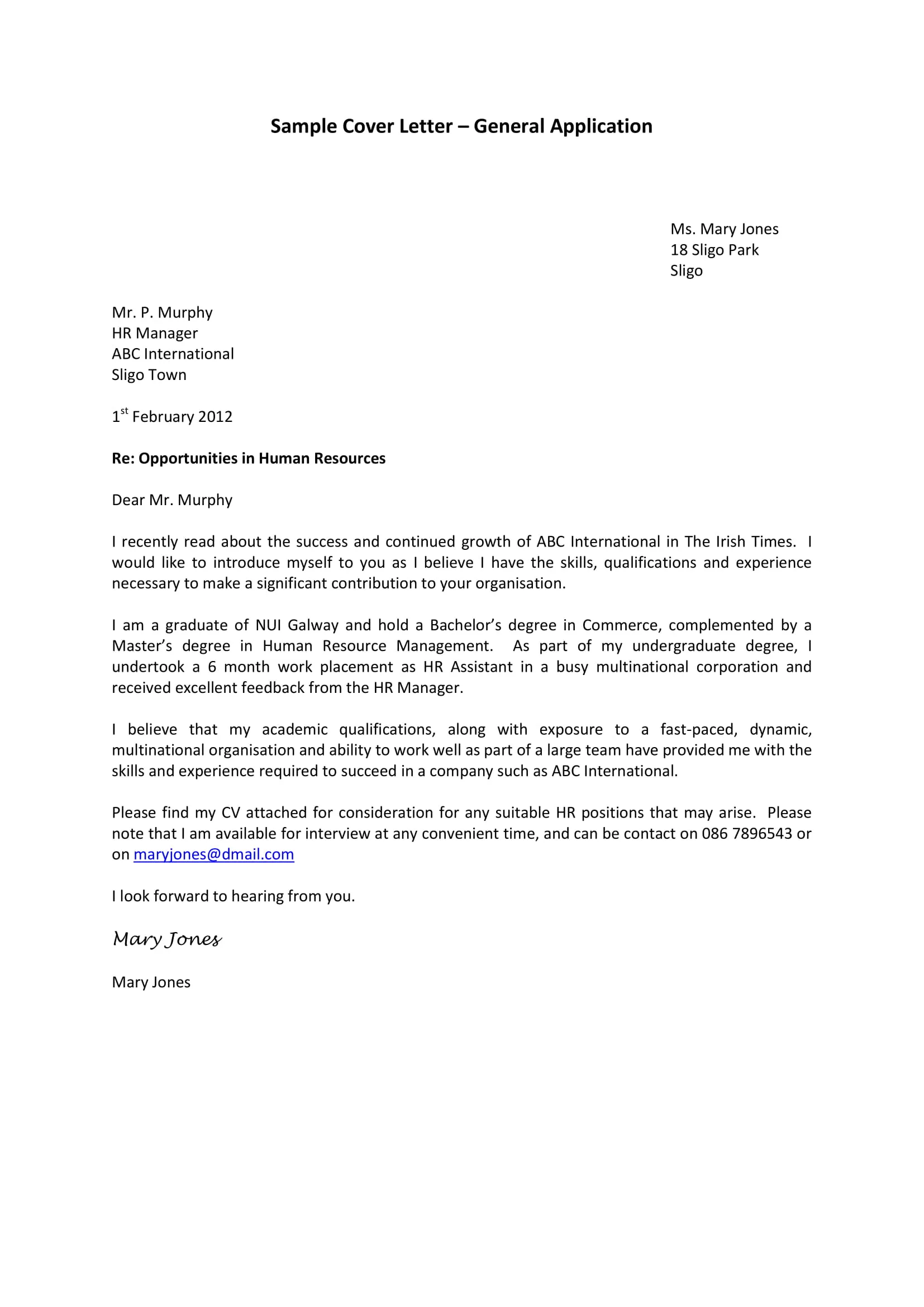
What Is a Cover Letter (And Why Do You Need One)?
A cover letter is a crucial document that accompanies your resume when applying for a job. It serves as your personal introduction, allowing you to highlight your skills, experiences, and enthusiasm for the specific role and company you’re targeting. Unlike a resume, which provides a factual overview of your qualifications, a cover letter enables you to express your personality, explain your motivations, and demonstrate how your skills align with the job requirements. In today’s competitive job market, a well-crafted cover letter can significantly increase your chances of getting noticed by recruiters and securing an interview. It’s an opportunity to make a strong first impression and set yourself apart from other applicants by providing context to your resume and showcasing your communication skills.
Cover Letter Essentials Your Must-Have Elements
A compelling cover letter comprises several key elements. Begin with a professional header that includes your contact information – name, phone number, email address, and optionally, your LinkedIn profile URL. This ensures the hiring manager can easily reach you. Next, address the letter to the hiring manager by name, if possible; research the company to find the correct person. The body of your letter should include an engaging introduction that immediately grabs the reader’s attention. Then, the main section needs to highlight your relevant skills and experiences, providing specific examples to illustrate your accomplishments. Finally, a strong closing should express your enthusiasm for the opportunity and include a clear call to action, such as requesting an interview.
Contact Information How to Start Strong

Your contact information should be placed at the top of the cover letter, typically in the header or a separate section. Include your full name, phone number, email address, and optionally, your LinkedIn profile URL. Ensure that the information is accurate and up-to-date. Use a professional-looking email address; avoid using nicknames or informal addresses. This information should be easily accessible and visible so that the recruiter or hiring manager can quickly find your contact details and reach out to you regarding the job application.
The Salutation Addressing the Hiring Manager
Always start your cover letter with a professional salutation. If you know the name of the hiring manager, use “Dear Mr./Ms./Mx. [Last Name].” Research the company to find the correct person. This personalized approach shows that you’ve taken the time to learn about the company and the specific role. If the hiring manager’s name is unavailable, use a generic greeting like “Dear Hiring Manager” or “Dear [Department Name] Team.” Avoid using outdated salutations like “To Whom It May Concern.” Ensure that you spell the name correctly, as this is the first impression you will give to the hiring manager.
Writing the Body of Your Cover Letter
The body of your cover letter is where you showcase your skills, experiences, and enthusiasm for the job. Structure it to be clear, concise, and engaging. Start with an introductory paragraph that immediately captures the reader’s attention. State the position you’re applying for and briefly mention how you learned about the opportunity. The next paragraphs should delve into your relevant skills and experiences, providing specific examples to illustrate your accomplishments. Conclude with a strong closing paragraph that reiterates your interest in the role, summarizes your key qualifications, and includes a clear call to action, such as requesting an interview.
Highlight Your Skills Matching Your Qualifications

Carefully review the job description and identify the key skills and qualifications the employer is seeking. Then, highlight the skills you possess that align with these requirements. Provide specific examples of how you have used these skills in previous roles to achieve positive outcomes. If the job description emphasizes specific software or technical skills, mention your proficiency and any certifications you have. Tailor your cover letter to each job application by emphasizing the skills and experiences that are most relevant to the specific role. This demonstrates that you understand the job requirements and are a good fit for the position. If the job requires communication skills, highlight examples where you’ve presented your ideas clearly and effectively.
Showcase Your Achievements Quantify Your Impact
Instead of simply listing your responsibilities, use your cover letter to showcase your achievements and quantify your impact whenever possible. Provide specific examples of how you have exceeded expectations, solved problems, or contributed to team goals. Use numbers, percentages, and other metrics to illustrate your accomplishments. For instance, instead of saying “Improved customer satisfaction,” you could say “Increased customer satisfaction scores by 15% within six months.” This allows the hiring manager to see the tangible results you have achieved and understand the value you can bring to their organization. Focus on accomplishments that are relevant to the job requirements. This helps in demonstrating your ability to deliver real results.
Express Your Enthusiasm Demonstrate Your Interest
Your cover letter should convey your genuine enthusiasm for the job and the company. Explain why you are interested in the specific role and what excites you about the opportunity. Demonstrate that you have researched the company and understand its mission, values, and culture. Highlight what attracts you to this company. Mention any specific projects, initiatives, or aspects of the company that resonate with you. Tailor your letter to each application so that you demonstrate genuine interest. Expressing your enthusiasm helps the hiring manager understand that you’re not just looking for any job but are genuinely excited about the prospect of working at their company. This can make a significant difference in a competitive job market.
The Closing Make a Call to Action

End your cover letter with a strong closing paragraph that summarizes your key qualifications and reiterates your interest in the role. Include a clear call to action, such as requesting an interview. Thank the hiring manager for their time and consideration. Express your eagerness to discuss your qualifications further. Provide your contact information again, just in case. Avoid generic closings like “Sincerely” or “Best regards.” Instead, use a more enthusiastic closing, such as “I am excited about the possibility of joining your team and look forward to hearing from you soon.” This helps you stand out and makes the hiring manager more likely to contact you.
Cover Letter Formatting Keeping It Professional
The formatting of your cover letter is crucial for making a positive first impression. Use a professional and easy-to-read font, such as Times New Roman, Arial, or Calibri. Maintain a consistent font size (11 or 12 points) and use standard margins (1 inch on all sides). Ensure proper spacing between paragraphs and sections to make the letter visually appealing. Avoid using excessive colors, graphics, or images unless specifically requested. Use a clean and organized layout, with clear headings and subheadings to guide the reader. Keep your cover letter concise and focused, aiming for a length of one page. Proofread the letter carefully to catch any typos, grammatical errors, or formatting inconsistencies before submitting it.
Font and Style Choosing the Right Look
Select a professional and readable font for your cover letter. Common choices include Times New Roman, Arial, and Calibri. Avoid using overly stylized or decorative fonts, as they can be difficult to read and may appear unprofessional. Maintain a consistent font size (typically 11 or 12 points) throughout the document. Use a clear and simple font style for headings and body text. Pay attention to the overall visual appearance of your cover letter and ensure that it looks clean, organized, and easy on the eyes. The choice of font and style should complement the overall message you are trying to convey, showcasing your professionalism.
Proofreading and Editing Ensuring Perfection

Before submitting your cover letter, carefully proofread and edit it to ensure it is free of any errors. Check for typos, grammatical errors, and formatting inconsistencies. Pay close attention to the clarity and flow of your writing. Make sure that your sentences are well-structured, and your ideas are presented in a logical order. Use a grammar checker, but also manually review the letter to catch any errors that the software might miss. Have a friend, family member, or career counselor review your cover letter. A second pair of eyes can help identify any mistakes you may have overlooked. A polished and error-free cover letter shows that you pay attention to detail and take your job application seriously.
Cover Letter Examples Learning from the Best
Reviewing cover letter examples can provide valuable insights into effective writing techniques and formatting styles. Look for examples that are tailored to your industry or the specific type of job you are applying for. Pay attention to how the writers structure their letters, highlight their skills, and express their enthusiasm. Analyze how they address the hiring manager, showcase their achievements, and include a call to action. Many online resources offer cover letter templates and examples that can serve as a starting point for creating your own. However, always tailor the examples to your experiences and the specific job. Avoid simply copying and pasting; personalize your cover letter to make it unique and authentic.
Common Mistakes to Avoid
Avoid common cover letter mistakes that can undermine your application. Do not use generic or impersonal greetings. Never send a generic cover letter that is not tailored to the specific job or company. Avoid grammatical errors and typos. Do not write excessively long letters; keep your cover letter concise and focused. Never exaggerate or falsify your qualifications. Avoid being negative or focusing on what you don’t like about your previous jobs. Do not use jargon or clichés. Avoid including irrelevant information. Avoid unprofessional language or tone. These mistakes can create a negative impression and decrease your chances of getting an interview. Always proofread carefully to avoid making these errors.
Tailoring Your Cover Letter Adapting to Each Job

Tailoring your cover letter to each job application is essential. Avoid using a generic template. Always customize your cover letter to match the specific requirements of the job and the company. Carefully review the job description and identify the key skills and experiences the employer is seeking. Highlight the relevant skills and accomplishments. Research the company and understand its mission, values, and culture. Demonstrate your knowledge of the company and explain why you want to work there. Customize the language to mirror the tone and style of the company. Tailoring your cover letter shows that you are genuinely interested in the role and have taken the time to understand the company’s needs. It demonstrates that you are a good fit for the position.
Using Keywords Optimizing for Applicant Tracking Systems (ATS)
Many companies use Applicant Tracking Systems (ATS) to screen job applications. To increase your chances of getting noticed, optimize your cover letter by including relevant keywords from the job description. Identify the key skills, qualifications, and buzzwords. Integrate these keywords naturally throughout your cover letter. Avoid keyword stuffing, which is the practice of including too many keywords in a way that sounds unnatural. Use a variety of keywords and phrases to demonstrate your expertise. Ensure that your cover letter is well-written and easy to read, even with the inclusion of keywords. ATS-optimized cover letters are more likely to pass the initial screening process and reach the hiring manager. Avoid using uncommon words that can be misunderstood.
Formatting Your Cover Letter Correctly
Proper formatting is important. Use a professional font and maintain consistent formatting throughout the document. Start with a header that includes your contact information, such as your name, phone number, email address, and optionally, your LinkedIn profile URL. Address the hiring manager by name if possible. Use clear headings and subheadings to organize your letter. Ensure proper spacing between paragraphs and sections. Keep your cover letter concise. Aim for a length of one page. Proofread your cover letter carefully for any errors. Make sure your cover letter is free of typos, grammatical errors, and formatting inconsistencies. Proper formatting helps make your cover letter easy to read.