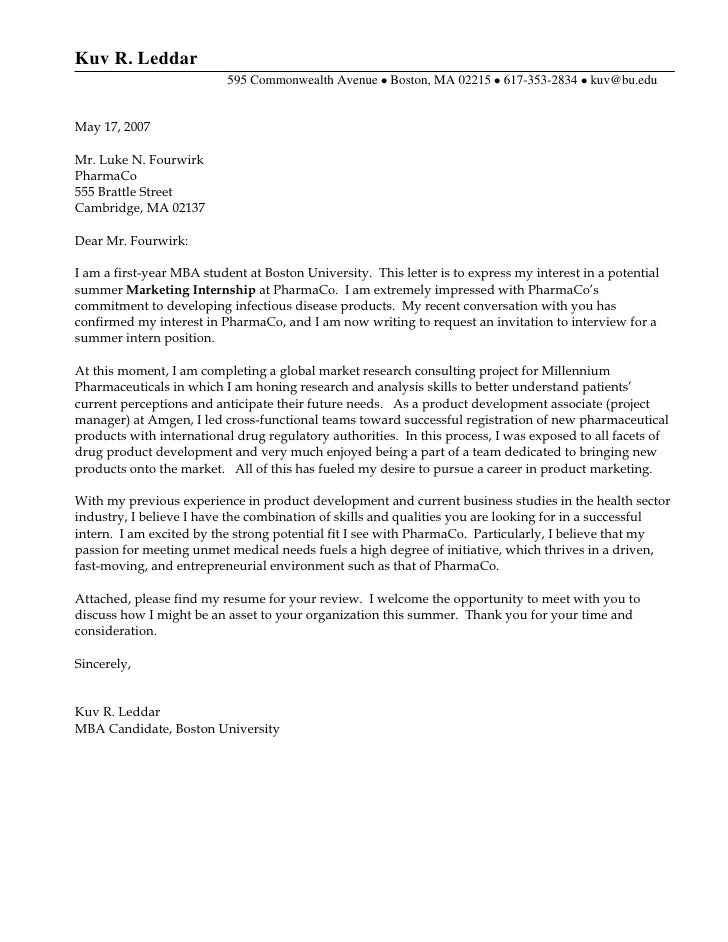
Understanding the Importance of a Cover Letter
In the competitive job market, a well-crafted cover letter is your first impression. It provides an opportunity to introduce yourself, express your interest in the position, and demonstrate how your skills and experiences align with the company’s needs. While a resume provides a factual overview of your background, a cover letter allows you to connect with the hiring manager on a more personal level. It’s your chance to showcase your personality, enthusiasm, and writing skills – all of which can significantly boost your chances of getting an interview. A strong cover letter goes beyond simply restating information from your resume it tells a story, highlighting your passion for the role and your understanding of the company’s goals.
Why Cover Letters Still Matter
Despite the prevalence of online applications and resume submissions, cover letters remain a crucial part of the job application process. Many hiring managers still value cover letters as they offer valuable insights into a candidate’s communication skills and their genuine interest in the role. A well-written cover letter helps you stand out from the crowd, especially if you’re applying for a competitive position. It also provides context to your resume, allowing you to explain any gaps in your employment history or highlight specific achievements that might not be immediately apparent from your resume alone. Cover letters allow you to personalize your application to each role, demonstrating that you’ve taken the time to understand the company and the specific requirements of the job.
Key Elements of a Compelling Cover Letter

Crafting a compelling cover letter involves several key elements that work together to create a persuasive narrative. The most effective cover letters are tailored to the specific job and company, showcasing a genuine interest in the role and highlighting relevant skills and experiences. Proper formatting and structure are also essential; a well-organized letter is easy to read and conveys professionalism. The opening paragraph is critical for grabbing the reader’s attention, and the closing should leave a lasting positive impression. A compelling cover letter isn’t just about listing your accomplishments; it’s about demonstrating how you can bring value to the company and achieve its goals.
1. Tailoring Your Cover Letter
One of the most common mistakes job seekers make is sending out generic cover letters. Tailoring your cover letter to each job application is crucial. This involves researching the company and understanding its values, mission, and recent projects. By demonstrating that you understand the company’s needs, you show your genuine interest. You can use information from their website, social media, and industry publications. Secondly, highlight the skills and experiences that are most relevant to the job description. Avoid simply listing your responsibilities from previous roles. Instead, provide specific examples of how you’ve used your skills to achieve positive outcomes. This shows the hiring manager that you’re a good fit for the position.
Researching the Company
Before you begin writing, thoroughly research the company. Visit their website, read their “About Us” page, and explore their social media profiles to understand their culture, values, and recent projects. Identify the company’s specific needs and challenges. Look for keywords and phrases in the job description that align with the company’s goals. This research will help you tailor your letter to demonstrate your understanding of the company and its requirements, showing that you’ve taken the time to learn about them and that you are genuinely interested in the role.
Highlighting Relevant Skills and Experience

Carefully review the job description and identify the key skills and experiences the employer is seeking. Then, within your cover letter, provide specific examples of how you’ve demonstrated those skills in past roles. Instead of simply listing your duties, use the STAR method – Situation, Task, Action, Result – to illustrate your accomplishments. Explain the situation, the task you faced, the actions you took, and the positive results you achieved. This approach provides concrete evidence of your abilities and shows the hiring manager how you can contribute to their organization.
2. Formatting and Structure
The way your cover letter looks can significantly impact how the hiring manager perceives you. A well-formatted cover letter is easy to read, professional, and reflects attention to detail. Poor formatting can make a great letter lose its impact. Make sure to choose a professional font such as Times New Roman, Arial, or Calibri, and use a font size between 10 and 12 points. Proper spacing and margins are also important; use single-spacing within paragraphs and double-spacing between paragraphs for optimal readability. Use headings, bullet points, and short paragraphs to break up the text and make it easier to scan. Ensure that your letter is free of grammatical errors and typos.
Choosing the Right Font and Font Size
Select a font that is clear, legible, and professional. Fonts like Times New Roman, Arial, and Calibri are excellent choices. Avoid using overly decorative or unusual fonts that might distract the reader. Use a font size between 10 and 12 points for the body of your letter, and slightly larger for your name and contact information at the top. The key is to balance readability with a professional aesthetic, ensuring that your letter is easy on the eyes.
Structuring Your Letter for Readability

Organize your cover letter into logical sections to make it easy for the hiring manager to follow. Start with a strong opening paragraph that grabs their attention, followed by a few paragraphs highlighting your relevant skills and experiences. Then, include a paragraph that expresses your enthusiasm for the role and the company. Finally, end with a strong call to action and your contact information. Use short paragraphs and bullet points to break up the text and make it easier to scan. Ensure there’s sufficient white space between paragraphs and sections for a clean and professional look.
3. The Opening Paragraph
The opening paragraph of your cover letter is critical, as it sets the tone for the rest of the document. The opening paragraph should immediately grab the hiring manager’s attention and make them want to continue reading. Start by mentioning the specific job you’re applying for and where you found the job posting. If you were referred by someone, mention their name as this can often help you get noticed. Next, make a concise statement about why you’re a good fit for the role, highlighting your most relevant skills or experience. This could be a brief summary of your most relevant qualifications or a statement about your passion for the company or industry.
Grabbing Attention from the Start
The first sentence of your cover letter is your chance to make a strong first impression. Instead of starting with a generic phrase, try using a statement that immediately captures the reader’s interest. You can express your enthusiasm for the company, mention a specific achievement, or briefly address a key requirement of the job description. Avoid clichés and generic phrases. Start with a concise, engaging statement about what makes you the ideal candidate and why you are excited about the opportunity.
Mentioning the Job Title and Source

Clearly state the job title you are applying for and where you saw the job posting. This provides context to the hiring manager and ensures they know exactly which position you are interested in. If you were referred by someone, mention their name here as well. This helps the hiring manager quickly understand the purpose of your letter and provides a point of reference. For example, you could write, “I am writing to express my strong interest in the Marketing Manager position advertised on LinkedIn.” This immediately clarifies your intent and provides important context.
4. Showcasing Your Achievements
Your cover letter should go beyond simply listing your job responsibilities; it should showcase your achievements. Focus on specific accomplishments that demonstrate your skills and abilities, and use the STAR method to structure your examples. Use quantifiable results whenever possible. For instance, instead of saying “Managed social media accounts”, say “Increased social media engagement by 30% within six months”. Show how your achievements have benefited previous employers. By focusing on your accomplishments, you demonstrate your value and provide tangible evidence of your abilities.
Quantifying Your Accomplishments
Use numbers and data to quantify your achievements. Instead of saying you improved sales, state by what percentage and in what timeframe. Quantifiable results are much more persuasive than vague statements. This could include increasing sales revenue, reducing costs, improving customer satisfaction, or streamlining processes. Providing specific numbers gives the hiring manager a clear understanding of your impact and the value you can bring to their organization. Examples include “Increased sales by 20% in one year” or “Reduced customer support response time by 15%.”
Using Action Verbs

Use strong action verbs to describe your accomplishments and responsibilities. Action verbs make your writing more dynamic and engaging, and they help you demonstrate your capabilities. For example, instead of writing “Responsible for managing social media accounts”, write “Managed social media accounts, increasing engagement by 30%.” Action verbs create a sense of activity and accomplishment, making your cover letter more persuasive and memorable. Use verbs that accurately reflect your duties, such as “achieved,” “led,” “developed,” “implemented,” and “managed.” This helps you to write a more convincing cover letter.
5. The Closing and Call to Action
The closing paragraph should leave a lasting positive impression and encourage the hiring manager to take the next step. Express your enthusiasm for the role and reiterate your interest in the company. Thank the hiring manager for their time and consideration. End with a clear call to action, such as requesting an interview or stating that you look forward to discussing your qualifications further. Provide your contact information again, including your phone number and email address, making it easy for them to reach you.
Expressing Enthusiasm
In your closing paragraph, reiterate your enthusiasm for the role and the company. Briefly summarize why you are a good fit and how your skills and experience align with the company’s needs. Show that you’ve researched the company, understand their mission, and are eager to contribute. Demonstrate your genuine interest in the opportunity, showing that you are not only qualified but also excited about the prospect of working for the company.
Providing Contact Information

Make it easy for the hiring manager to contact you by including your contact information at the end of your cover letter. Include your phone number, email address, and LinkedIn profile URL. Ensure your email address is professional and that your voicemail message is also professional. It is also a great idea to include a link to your online portfolio or website if you have one. This makes it easy for the hiring manager to contact you and learn more about your background and qualifications.