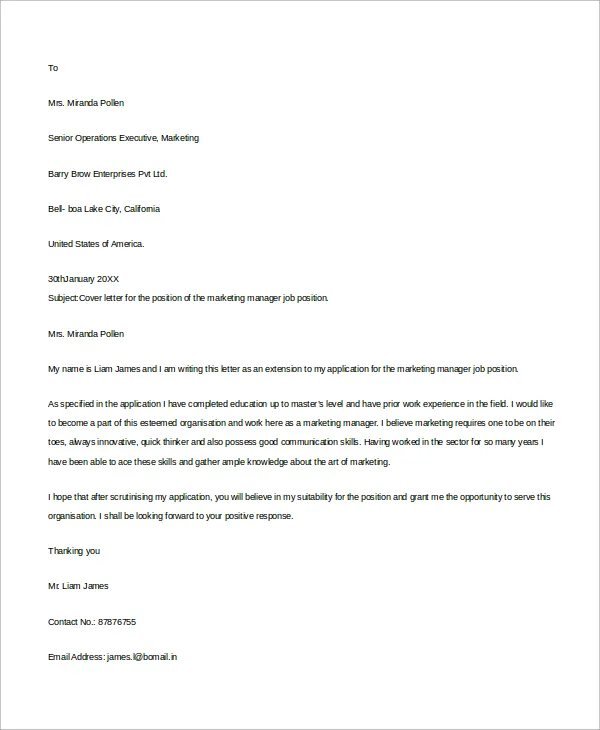
What is a Cover Letter
A cover letter is a crucial document that accompanies your resume when applying for a job. It serves as an introduction, providing potential employers with a snapshot of your qualifications, skills, and personality. Unlike a resume, which presents a factual overview of your experience, a cover letter allows you to express your enthusiasm for the position and explain why you are the perfect fit for the role and the company. Crafting a compelling cover letter can significantly increase your chances of landing an interview, as it gives you the opportunity to stand out from other applicants and make a positive first impression. It’s a chance to showcase your communication skills and demonstrate your genuine interest in the specific job you are applying for.
Purpose of a Cover Letter
The primary purpose of a cover letter is to persuade the hiring manager to read your resume and consider you for an interview. It highlights your relevant skills and experiences, connecting them directly to the job requirements outlined in the job description. A well-written cover letter demonstrates your understanding of the company’s needs and your ability to meet those needs. It shows your personality, enthusiasm, and commitment to the opportunity. Essentially, the cover letter functions as a marketing tool, selling your abilities and emphasizing why you are the best candidate. It helps the employer understand your motivations, career goals, and why you’re interested in their organization. The cover letter personalizes your application and provides context to the information presented in your resume.
Key Components of a Cover Letter

A well-structured cover letter typically includes several key components. Begin with your contact information, followed by the date and the recipient’s details. Then, a professional salutation tailored to the hiring manager or the specific role. The body of the letter should be divided into paragraphs, each focusing on different aspects of your qualifications. The first paragraph should state the position you’re applying for and where you saw the job posting. The subsequent paragraphs should highlight your relevant skills, experiences, and accomplishments, demonstrating how they align with the job requirements. The letter should conclude with a call to action, expressing your interest in an interview and thanking the reader for their time and consideration. Always include a formal closing and your signature.
Cover Letter Formatting
Proper formatting is crucial for a professional cover letter. The layout should be clean, easy to read, and visually appealing. Use a standard font like Times New Roman, Arial, or Calibri, with a font size between 10 and 12 points. Maintain consistent margins (typically one inch on all sides) and use single-spacing within paragraphs and double-spacing between paragraphs. Use bolding to emphasize key phrases or headings. Keep your letter to one page, ensuring that it’s concise and focused. Use bullet points or numbered lists to highlight key achievements or skills. Always proofread carefully to avoid any grammatical errors or typos. A well-formatted cover letter presents you as organized, detail-oriented, and professional.
Header and Contact Information
Your header should include your full name, address, phone number, and email address. This information should be aligned to the left or right side of the page, or at the top. Make sure your contact information is current and professional. Double-check your email address for accuracy. Consider using a professional-sounding email address instead of a casual or informal one. The header ensures the hiring manager can easily contact you. The header should be clearly visible and consistent in formatting with the rest of your letter. You can place it at the top of the document, or include it as part of your letterhead if you have one. This ensures the recruiter can easily identify you and reach out to you.
Date and Recipient Details

Below your contact information, include the date. Following the date, include the hiring manager’s name (if known), their title, the company name, and the company’s address. If you can’t find the hiring manager’s name, address your letter to the hiring manager or the hiring team. Researching the hiring manager’s name can make your cover letter more personal. Accurate recipient details demonstrate your attention to detail and your effort in tailoring your application. This shows that you are thorough and dedicated to the application process. Using the correct details builds a positive impression.
Salutation
Begin your cover letter with a professional salutation. If you know the hiring manager’s name, use “Dear [Mr./Ms./Mx. Last Name].” Otherwise, use a general salutation like “Dear Hiring Manager” or “Dear [Company Name] Hiring Team.” Avoid generic salutations like “To Whom It May Concern.” Tailor the salutation to the specific company and role. The salutation sets the tone for the rest of the letter. A personalized salutation shows that you have taken the time to research the company and the specific person you are addressing. The salutation establishes a respectful and engaging opening, setting the stage for a persuasive letter.
Body Paragraphs
The body paragraphs are the core of your cover letter, where you connect your skills and experiences to the job requirements. Structure your body paragraphs logically, typically with an introductory paragraph, a few paragraphs highlighting your skills and experience, and a concluding paragraph. Ensure each paragraph focuses on a specific aspect of your qualifications. The paragraphs should be concise, engaging, and targeted to the job. Use strong action verbs and quantify your accomplishments whenever possible. The aim is to showcase your value to the company and explain why you’re the ideal candidate for the role. The body should clearly demonstrate your understanding of the job and your ability to meet its needs.
First Paragraph Introduction

Start your first paragraph by stating the specific position you are applying for and where you found the job posting (e.g., Indeed, LinkedIn, company website). Briefly mention your enthusiasm for the role and the company. Avoid generic opening lines. Instead, show genuine interest in the job. Mention something specific that drew you to the opportunity, such as the company’s mission, values, or a recent project. Your introduction should capture the reader’s attention and set the stage for the rest of your letter. It should be concise and focused, providing a clear overview of why you are applying and what you bring to the table.
Second Paragraph Skills and Experience
In the second paragraph, highlight your most relevant skills and experiences. Refer to the job description and match your qualifications to the requirements listed. Provide specific examples of your accomplishments that demonstrate these skills. Quantify your achievements whenever possible, using data and numbers to showcase your impact (e.g., “Increased sales by 15%,” “Managed a team of 10 employees”). Focus on what you have achieved and how your past experiences make you a good fit. Use action verbs and clear language to make your skills and experiences easily understandable. This paragraph is a critical opportunity to convince the employer of your abilities and suitability for the role.
Third Paragraph - Why This Job
In your third paragraph, explain why you are interested in the specific job and the company. Show that you have done your research and understand the company’s mission, values, and culture. Mention something specific that aligns with your career goals and aspirations. Explain how this role fits into your career path. Demonstrate that you’re not just applying for any job but are genuinely interested in this particular opportunity. Express your eagerness to contribute to the company’s success. This shows the employer that you are invested in the company and the role and not just looking for a job.
Fourth Paragraph Call to Action

Conclude your cover letter with a call to action. Express your interest in an interview and reiterate your enthusiasm for the role. Thank the hiring manager for their time and consideration. Be specific about what you hope to achieve, such as discussing how you can contribute to the company’s goals. Include a statement that you look forward to hearing from them soon. Reiterate your contact information and your willingness to provide any additional information. Close your letter with a professional and courteous tone, leaving a positive lasting impression.
Closing and Signature
Your closing and signature are the final elements of your cover letter. They should be professional and reflect the same tone as the rest of the letter. A proper closing ensures a respectful and appropriate end to your letter. The signature confirms your commitment to the statements made within your letter. It’s a final opportunity to leave a positive impression and encourage the reader to contact you.
Formal Closing
Use a professional closing such as “Sincerely,” “Best regards,” or “Respectfully.” Avoid casual closings like “Thanks” or “Cheers.” The closing should be aligned with the tone of the entire letter. Choose a closing that feels natural and authentic to you, ensuring it sounds professional and respectful. After the closing, leave a few lines for your signature.
Signature

If you’re submitting a digital cover letter, type your full name below the closing. If you’re printing the letter, leave space for a handwritten signature above your typed name. Ensure that your signature is legible and professional, whether it is digital or handwritten. Including a signature adds a personal touch to your cover letter. The signature confirms that you stand by the information within your letter. The signature reaffirms your commitment and personalizes the communication.
Cover Letter Template Options
Numerous cover letter templates are available online, and these can save you time. They provide a pre-designed structure and format, which can be adapted to your specific needs. Ensure the template is appropriate for the industry and the specific job. Consider using a template that aligns with the style of your resume. Customize the template with your own information and personalize the content to match the job description. While templates offer a convenient starting point, always tailor them to make your application unique.
Creating Your Cover Letter
Begin by carefully reviewing the job description. Identify the key skills and requirements the employer is seeking. Research the company and understand its values, mission, and culture. Use this information to tailor your cover letter to the specific job and company. Write a draft, focusing on your most relevant experiences and achievements. Structure the content logically, making it easy for the hiring manager to quickly understand your qualifications. Proofread and edit your letter thoroughly before submitting. Make sure your cover letter is easy to read, concise, and shows genuine interest in the job.
Reviewing and Proofreading

Always review and proofread your cover letter. Check for any grammatical errors, spelling mistakes, and typos. Ensure the language is clear, concise, and professional. Read the letter aloud to catch any awkward phrasing. Ask a friend or career advisor to review your cover letter for feedback. Pay close attention to the formatting and ensure everything is consistent. Reviewing your cover letter ensures it’s polished and error-free. It presents you as detail-oriented and professional. A well-proofread letter enhances your credibility and increases your chances of getting an interview.
Customizing Your Letter
Customize your cover letter for each job application. Avoid using a generic cover letter for multiple jobs. Tailor the content to the specific requirements of the job description. Highlight the skills and experiences that align with the job’s requirements. Customize your letter to show your genuine interest in the company. Adapt your letter to the company’s style and culture. Customization is essential for demonstrating your enthusiasm and suitability for the role. It shows the hiring manager that you have invested time and effort.
Common Cover Letter Mistakes
Avoid common cover letter mistakes to make your application stand out. Proofread carefully for grammar and spelling errors. Avoid using generic or vague language. Always tailor your cover letter to the specific job and company. Do not include irrelevant information or experiences. Keep your cover letter concise and focused on your qualifications. Avoiding these mistakes enhances your chances of a successful application.
Grammar and Spelling Errors
Grammar and spelling errors can undermine your professionalism and damage your credibility. Always proofread your cover letter carefully. Use a spell checker and grammar checker, but don’t rely on them completely. Read your letter aloud to catch any awkward phrasing or mistakes. Ask someone else to review your cover letter. A clean and error-free cover letter indicates attention to detail and professionalism. It shows respect for the hiring manager. A well-proofread letter enhances your credibility and increases your chances of getting an interview.
Generic Cover Letters
Avoid using a generic cover letter that is not tailored to the specific job or company. Customize your letter to showcase your understanding of the job requirements and the company’s values. Research the company and demonstrate your genuine interest. Tailor your skills and experiences to the job description. Generic cover letters indicate a lack of effort and interest. They make you appear as just another applicant. A customized cover letter shows you’ve invested the time and effort.
Not Tailoring To The Job
Failing to tailor your cover letter to the job is a significant mistake. Each job is unique, and your letter should reflect that. Review the job description carefully. Highlight your skills and experiences that directly match the job requirements. Research the company and show your understanding of its mission and culture. Demonstrate how your qualifications align with the specific needs of the role. Not tailoring your cover letter makes you seem less interested. It tells the employer you haven’t taken the time to understand their needs.
Cover Letter Examples
Reviewing cover letter examples is a great way to understand the best practices. Look for examples relevant to the job you are applying for. Analyze the structure, language, and tone of successful cover letters. Learn from the strategies and techniques used in the examples. Tailor the examples to your specific situation. Cover letter examples can provide a helpful guideline for formatting, content, and style. They give you a sense of what works and what does not. Reading examples can spark new ideas.
Cover Letter Examples
Find examples that align with the type of jobs you are applying for. Several websites and career resources offer cover letter examples. Choose examples that showcase different writing styles and formats. Adapt the examples to your own needs. Ensure the examples are relevant to your industry and experience level. Studying examples will allow you to create a customized cover letter that is also effective. Looking at examples allows you to see how others approach the job application process. Understanding how to properly format and tailor your application can help you avoid common mistakes.
Cover Letter Tips
Follow these tips to create a compelling cover letter: Tailor your letter to each job application. Highlight your relevant skills and experiences. Use action verbs to describe your accomplishments. Keep it concise and easy to read. Proofread carefully for errors. Demonstrate your enthusiasm for the role and the company. Include a call to action. Consider the company’s culture and adapt your tone accordingly. A well-written cover letter will increase your chances of being invited to an interview.
How To Make Your Cover Letter Stand Out
To make your cover letter stand out, personalize it to each job application. Show genuine enthusiasm for the role and the company. Highlight unique skills or experiences. Quantify your accomplishments whenever possible, using numbers and data. Use strong action verbs to describe your achievements. Demonstrate your understanding of the company’s mission, values, and culture. Tailor your letter to show how you can contribute to the company’s success. Ensure your letter is well-written, error-free, and visually appealing. A unique and well-crafted cover letter increases your chances of attracting the attention of a potential employer.