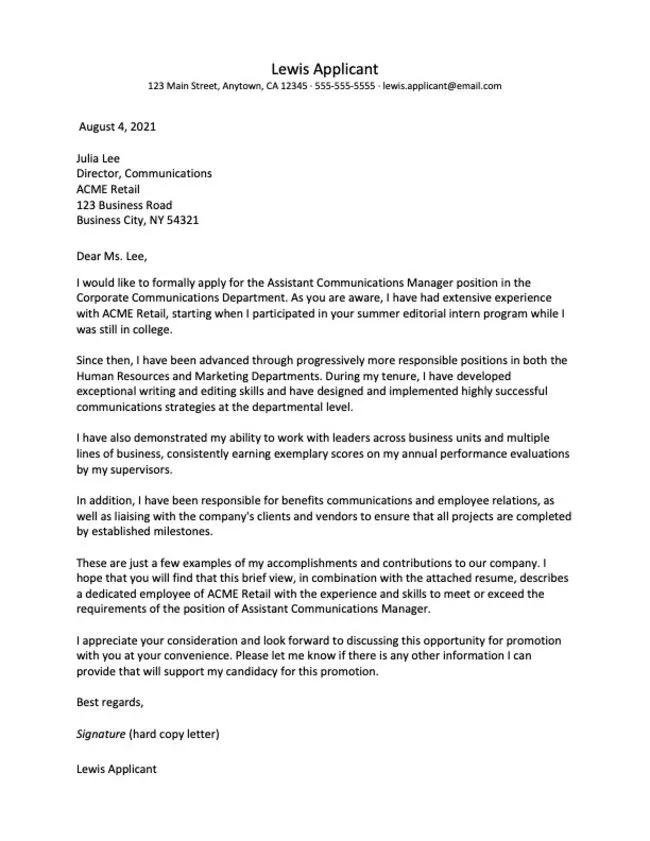
Crafting a Winning Internal Position Cover Letter
Securing an internal position requires a strategic approach, and a well-crafted cover letter is your key to unlocking the door to your desired role. Unlike external applications, internal cover letters offer a unique opportunity to showcase your existing knowledge of the company, your established network, and your proven track record within the organization. This article provides a comprehensive guide to help you write a winning internal position cover letter that highlights your strengths, aligns with the company’s needs, and ultimately, lands you the job you desire. We’ll delve into the nuances of internal applications, offering practical advice on how to tailor your letter for maximum impact and position yourself as the ideal candidate. Mastering the art of the internal cover letter is a crucial step towards career advancement. With the right approach, you can successfully navigate the internal hiring process and achieve your professional goals.
Understanding Internal Position Dynamics
Before you start writing, it’s vital to understand the internal hiring process. Internal candidates often have an advantage due to their familiarity with the company culture, values, and people. However, this also means you’re competing against individuals who are already known within the organization. Your cover letter needs to leverage this knowledge, demonstrating your awareness of the company’s current projects, challenges, and future goals. Research the position thoroughly. Review the job description meticulously, identifying the key skills and qualifications the hiring managers are seeking. Talk to people who currently hold the role or have held similar positions. Understand the reporting structure, team dynamics, and the specific expectations associated with the role. This insight will allow you to personalize your letter and showcase your understanding of what the company needs.
Highlighting Relevant Skills and Experience

Your internal cover letter is not just a summary of your resume; it’s a story of your professional journey within the company. Focus on highlighting the skills and experience that directly align with the requirements of the new position. Use the job description as your guide and identify the key skills the hiring manager is looking for. Provide specific examples of how you’ve demonstrated these skills in your current or past roles within the company. This could include projects you’ve led, problems you’ve solved, or initiatives you’ve contributed to. Avoid generalities; instead, provide concrete examples and quantifiable results whenever possible. For example, if the job description mentions project management skills, you might write, “In my role as Project Lead, I successfully managed the X project, delivering it on time and within budget, resulting in a 15% increase in efficiency.”
Researching the Internal Position and Company
Demonstrating your knowledge of the company and the specific position is crucial for an internal cover letter. Before writing, thoroughly research the role and the team you would be joining. Review the job description multiple times, making notes of the key responsibilities and required skills. Visit the company’s website, intranet, and any internal communication channels to gather information about the department and its objectives. Identify any recent company announcements, strategic initiatives, or industry trends relevant to the position. Research the hiring manager and any other key individuals involved in the decision-making process. Understanding their priorities, goals, and leadership style can help you tailor your letter and make a strong impression. Tailor your letter to address these specific elements by showing how your skills and experience can contribute to the team’s success.
Tailoring Your Cover Letter to the Specific Role
Generic cover letters are a major turn-off. Tailoring your letter to each specific internal position is a must. Instead of using a template, customize your letter to reflect the specific requirements and expectations of the role. Carefully review the job description and identify the key skills, qualifications, and responsibilities. In your letter, address each of these points directly. Use the same keywords and phrases found in the job description to demonstrate that you understand what the company is looking for. Highlight how your past experiences and skills match the requirements of the new role. This may involve rearranging the sections of your letter or adding specific examples that demonstrate your ability to succeed. Make sure to clearly state your interest in the position and why you believe you are a good fit for the role.
Showcasing Achievements and Contributions

Your internal cover letter is your chance to highlight your achievements and contributions to the company. Think beyond your job duties and focus on the results you’ve achieved. Identify specific projects, initiatives, or accomplishments where you exceeded expectations or made a significant impact. Provide concrete examples that demonstrate your skills and abilities. Use the STAR method (Situation, Task, Action, Result) to structure your accomplishments. Briefly describe the situation, the task you were assigned, the actions you took, and the results you achieved. This method helps you provide a clear and concise overview of your contributions. For example, “In my previous role, I identified a bottleneck in the customer service process (Situation). I was tasked with improving efficiency (Task). I implemented a new training program for customer service representatives (Action). This resulted in a 20% reduction in customer service resolution time and increased customer satisfaction scores by 10% (Result).”
Quantifying Your Accomplishments
Whenever possible, quantify your achievements. Instead of saying “Improved customer satisfaction,” state “Increased customer satisfaction scores by 15%.” Numbers add credibility to your claims and demonstrate the tangible impact of your work. Use data to illustrate your accomplishments. Did you increase sales, reduce costs, improve efficiency, or streamline a process? Provide specific figures and metrics to support your claims. Use percentages, dollar amounts, or other relevant data points to demonstrate the value you brought to the company. Consider using bullet points to make your accomplishments stand out. Presenting your achievements in a clear, concise, and quantifiable manner will leave a lasting impression on the hiring manager. Ensure the data is accurate and verifiable, and make sure the numbers support your claims.
Demonstrating Alignment with Company Values
Internal candidates often understand the company’s values and culture, but it’s essential to explicitly demonstrate this understanding in your cover letter. Review the company’s mission statement, core values, and any other information that highlights their culture. Identify the values that resonate with you and align with your work ethic. Provide specific examples of how you have demonstrated these values in your previous roles. For example, if the company values teamwork, describe how you collaborated with colleagues on a project or contributed to a team’s success. If the company values innovation, share examples of how you came up with new ideas or implemented creative solutions. Show how your values align with the company’s values and how you contribute to a positive work environment. Demonstrating cultural fit can significantly improve your chances of getting hired, as it shows you’re a good match for the company.
Expressing Enthusiasm and a Strong Fit

Your cover letter should express your genuine enthusiasm for the position and demonstrate why you are a strong fit for the role. Avoid generic phrases like “I am interested in this position.” Instead, express your excitement and passion for the opportunity in a more specific and compelling way. Explain what aspects of the role excite you the most and what you hope to accomplish in the position. Highlight your understanding of the role and the team’s objectives and explain how your skills and experience can contribute to the team’s success. Make it clear why you want this specific role and why you believe you are the best candidate. Mention specific aspects of the company’s work or culture that appeal to you. Conclude with a strong statement of your confidence in your ability to excel in the position. Show your enthusiasm and excitement to make the hiring manager more interested in your profile.
Structuring Your Internal Cover Letter
A well-structured cover letter is easier to read and makes a more positive impression. Structure your letter using a clear and concise format. Start with a professional greeting and address the hiring manager by name if possible. The body of your letter should include an introduction, a few paragraphs highlighting your key skills and accomplishments, and a conclusion. In the introduction, state the position you’re applying for and briefly explain why you’re interested. In the main body, use separate paragraphs to address the specific requirements of the job description and highlight your relevant skills and experiences. Use headings or bullet points to break up the text and make it easier to scan. Be sure to tailor your letter to the specific role and company culture. Conclude with a strong call to action, expressing your interest in an interview and your availability. Proofread your letter carefully for any errors in grammar or spelling.
Formatting for Readability and Impact
The format of your internal cover letter should enhance readability and make a strong visual impact. Choose a professional font, such as Arial, Times New Roman, or Calibri, and use a font size between 10 and 12 points. Use appropriate margins and spacing to make the text easy to read. Keep your letter concise and focused; aim for no more than one page. Use headings and bullet points to break up the text and highlight key information. Avoid using overly complicated sentences or jargon that the hiring manager might not understand. Use bolding or italics sparingly to emphasize important points. The overall look of your cover letter should be clean, professional, and visually appealing. Always proofread your letter before sending it. Poor formatting will make your letter look unprofessional, which could cause you to be overlooked for an interview.
Proofreading and Polishing Your Letter

Before submitting your internal cover letter, thoroughly proofread and polish it. Check for any grammatical errors, spelling mistakes, and punctuation errors. Ensure that your sentences are clear, concise, and easy to understand. Have a friend or colleague read your letter and provide feedback. Fresh eyes can often catch mistakes that you might have missed. Pay attention to your tone and make sure it’s professional and enthusiastic. Ensure your letter is free of any typos or errors. Double-check the formatting to make sure it’s consistent and easy to read. By taking the time to proofread and polish your cover letter, you’ll increase your chances of making a positive impression and getting the job. A well-written and error-free cover letter shows that you pay attention to detail and care about your career advancement.