Understanding the Importance of a Cover Letter
In the competitive job market, a well-crafted cover letter can be your key to unlocking the door to your dream job. It’s more than just a formality; it’s your opportunity to make a strong first impression and set yourself apart from other applicants. While your resume provides a summary of your skills and experience, the cover letter allows you to showcase your personality, passion, and how well you align with the specific requirements of the role and the company’s culture. A compelling cover letter can significantly increase your chances of getting noticed by hiring managers and securing an interview. Think of it as your personal sales pitch, highlighting why you’re the perfect fit for the position.
Why a Cover Letter Matters
A cover letter serves multiple crucial purposes. First, it demonstrates your genuine interest in the specific job and company, something a generic resume can’t easily convey. Second, it provides context to your resume, allowing you to explain career gaps, highlight transferable skills, and connect your past experiences to the current opportunity. Third, it’s a chance to showcase your written communication skills, which are essential in most professional roles. A well-written cover letter shows that you can articulate your thoughts clearly and persuasively. Finally, it allows you to tell a story about yourself, demonstrating how your skills and experiences align with the company’s needs and values.
How Cover Letters Enhance Your Application

Cover letters enhance your application by providing a more personalized and in-depth view of your qualifications. They go beyond the bullet points of your resume to elaborate on your accomplishments, skills, and motivations. This allows you to paint a clearer picture of who you are and what you can bring to the table. By tailoring your cover letter to each job, you demonstrate your understanding of the role and the company, signaling to the hiring manager that you’ve done your research and are genuinely interested. This level of customization can significantly boost your application’s impact and set you apart from candidates who submit generic applications.
Key Components of a Winning Cover Letter
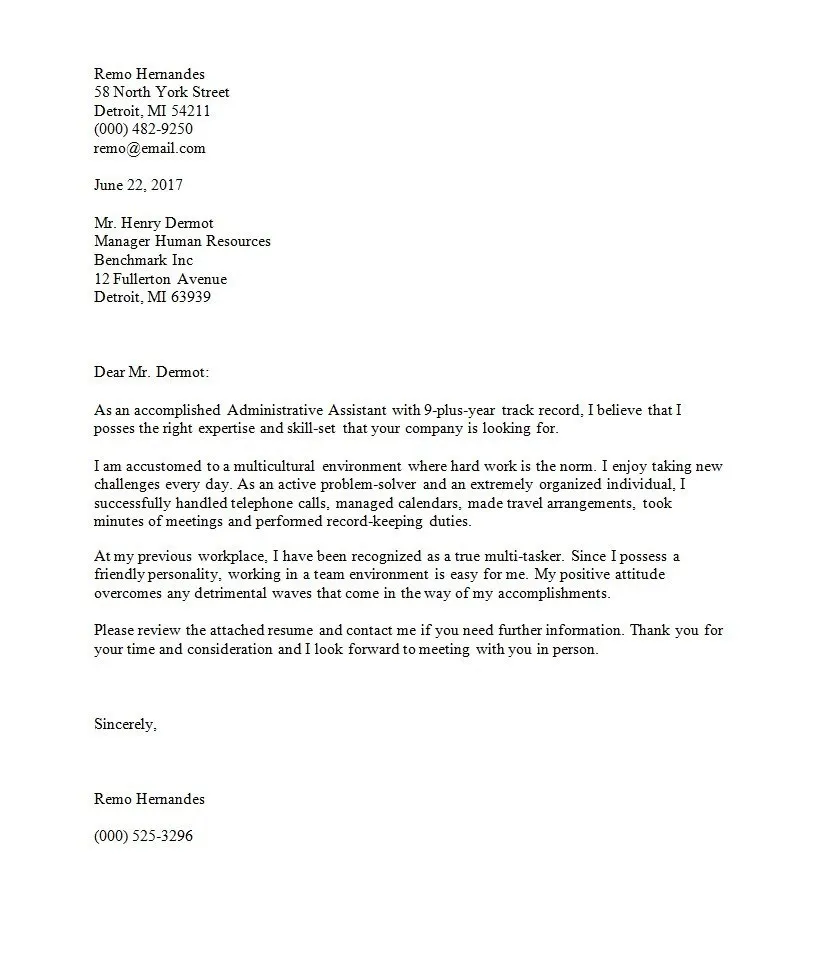
A winning cover letter is composed of several key elements that work together to make a strong impression. Each component plays a vital role in effectively communicating your value and securing an interview. By carefully crafting each part of your cover letter, you can significantly increase your chances of landing your dream job. A well-structured cover letter is easy to read, and clearly conveys your skills and qualifications, making you stand out from the crowd.
Header and Contact Information
The header should include your full name, address, phone number, and email address. Make sure the email address is professional. Also, include the date and the hiring manager’s name and title, if known. If you can’t find a specific name, use a professional greeting such as “Dear Hiring Manager.” Proper formatting and attention to detail in this section demonstrate your professionalism from the very beginning.
Salutation and Introduction

Start with a professional greeting. In the introduction, clearly state the position you’re applying for and how you found the job. Briefly mention your most relevant qualifications and express your enthusiasm for the opportunity. The introduction should immediately grab the reader’s attention and provide a compelling reason for them to continue reading. Make sure your introduction is concise and engaging, setting the tone for the rest of your letter. Avoid generic phrases and tailor the introduction to reflect the specific job requirements.
Body Paragraphs Highlighting Skills
This is where you provide the meat of your cover letter, demonstrating your skills and experiences. Use 2-3 paragraphs to elaborate on your qualifications and explain how they align with the job requirements. Use specific examples to illustrate your accomplishments and quantify your results whenever possible. For example, instead of saying “Managed social media,” say “Increased social media engagement by 30% within six months.” Focus on the skills and experiences that are most relevant to the job description, showing the hiring manager that you are a good fit.
Tailoring Your Cover Letter to the Job
The key to a successful cover letter is tailoring it to each job application. Carefully review the job description and identify the key skills and qualifications the employer is seeking. Then, highlight the experiences and achievements in your resume and cover letter that directly match these requirements. This shows the hiring manager that you understand the role and are a good fit. Avoid using a generic cover letter; instead, customize each one to reflect the specific needs of the company and the position.
Showcasing Achievements and Quantifiable Results

Instead of just listing your responsibilities, focus on showcasing your achievements and quantifying your results. Use numbers and data to demonstrate the impact you’ve made in previous roles. For example, if you improved sales, state the percentage increase. If you streamlined a process, mention how much time or money you saved. This evidence-based approach makes your cover letter more compelling and helps the hiring manager understand the value you bring. Whenever possible, use metrics to highlight your accomplishments.
The Closing and Call to Action
In the closing paragraph, reiterate your interest in the position and express your confidence in your ability to contribute to the company. Include a call to action, such as requesting an interview. Thank the hiring manager for their time and consideration. Ensure your closing is professional and enthusiastic, leaving a positive final impression. Proofread the entire letter to ensure there are no grammatical errors or typos.
Formatting and Design Tips for Readability
Formatting and design play a crucial role in the readability and overall impact of your cover letter. A well-formatted letter is easier on the eyes and more likely to capture the reader’s attention. Poor formatting can make your letter difficult to read and create a negative impression. Choose a clear font, use proper spacing, and pay attention to the overall layout to make your cover letter visually appealing and easy to navigate. Consider the design of your cover letter an important aspect of your application.
Font Selection and Size

Choose a professional and easy-to-read font, such as Times New Roman, Arial, or Calibri. Keep the font size between 10 and 12 points to ensure readability. Avoid using overly ornate or unusual fonts that can distract the reader. The font should be consistent throughout the document. Maintain a clean and uncluttered appearance by selecting a font that is both professional and easy on the eyes. This demonstrates your attention to detail and professionalism.
White Space and Paragraph Length
Use ample white space to separate the different sections of your cover letter. This improves readability and prevents the document from appearing cluttered. Keep paragraphs concise, ideally no more than five to six sentences each. Breaking up your text into smaller paragraphs makes it easier for the hiring manager to quickly scan and absorb the information. Use bullet points where appropriate to highlight key skills or accomplishments, further enhancing the readability of your letter.
Proofreading and Editing
Proofreading and editing are critical steps in ensuring your cover letter is polished and professional. Carefully review your cover letter for any grammatical errors, typos, or inconsistencies. It’s always a good idea to have a second pair of eyes review your letter as well. Another person might catch errors you missed. A cover letter with errors can create a negative impression and undermine your chances of landing an interview. Take the time to thoroughly proofread your cover letter before sending it to potential employers.
Common Mistakes to Avoid

Avoiding common mistakes can significantly improve the effectiveness of your cover letter. These mistakes can range from using a generic approach to failing to proofread thoroughly. Being aware of these potential pitfalls will help you create a strong cover letter that effectively presents your qualifications and increases your chances of securing an interview.
Generic Cover Letters
One of the biggest mistakes is submitting a generic cover letter that isn’t tailored to the specific job or company. Hiring managers can easily spot generic cover letters. They show a lack of interest and effort. Instead, personalize each cover letter by addressing the hiring manager by name and highlighting how your skills and experiences align with the job description. Research the company and demonstrate your understanding of their needs and values. This demonstrates your genuine interest in the position and significantly increases your chances of success.
Typos and Grammatical Errors
Typos and grammatical errors can undermine your credibility. These errors suggest a lack of attention to detail and can make you appear unprofessional. Always proofread your cover letter carefully before submitting it. Read it aloud and have a second person review it as well. Use spell-check and grammar-check tools, but don’t rely on them entirely. Proofreading is a critical step in creating a polished and professional cover letter.
Failure to Tailor to the Job Description

Failing to tailor your cover letter to the specific job description is a missed opportunity. Hiring managers want to know why you’re a good fit for the particular role. Carefully review the job description and highlight the skills and experiences that align with the requirements. Use the same keywords and phrases from the job posting to show that you understand the role and are well-suited for it. Tailoring your cover letter demonstrates your genuine interest and increases your chances of being selected for an interview.