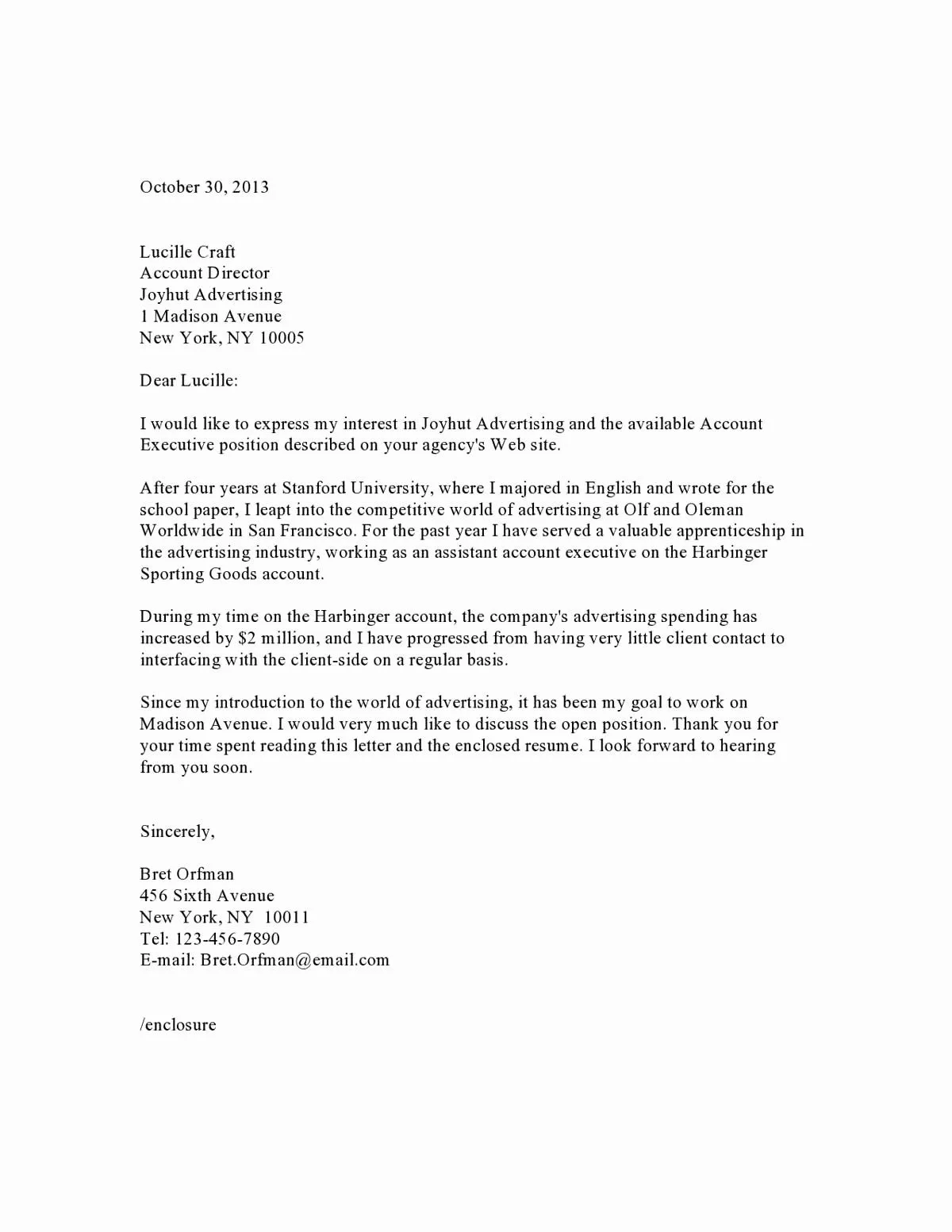
Understanding the Purpose of a Cover Letter
A cover letter is your initial introduction to a potential employer and is the perfect way to showcase your skills and qualities beyond your resume. Your cover letter is a tool to emphasize your qualifications. The main goal of a cover letter is to get the reader’s attention and make them review your resume. It offers the opportunity to express your interest, passion, and eagerness to join the company. It is a chance to highlight accomplishments and encourage the hiring manager to consider you for an interview. It’s a marketing document that sells your skills and experience, while conveying your personality and enthusiasm.
Why Is a Cover Letter Important?
A cover letter sets you apart in a competitive job market. It shows that you have effective communication skills, good attention to detail, and a great personality. A cover letter serves as an accompaniment to your resume, providing context and emphasizing your relevant skills and experiences. The letter helps you to address any gaps in your resume. You should use your cover letter to showcase your passion for the company. It shows that you’re serious and willing to put in the effort to get the job. Many employers consider a cover letter as a critical part of their hiring process.
Highlighting Your Key Skills and Qualities

Your cover letter gives you an opportunity to demonstrate your key skills and qualities. Identify the key skills and qualities needed for the job. Review the job description. Show your skills and qualifications with specific examples from your work history, education, or other experiences. Quantify your achievements whenever possible. For instance, rather than saying ‘Managed a team,’ say, ‘Managed a team of 10 employees, boosting productivity by 15%.’ This use of data makes your skills more compelling to the reader. Also, ensure that your skills match the job requirements.
Identify Your Transferable Skills
Transferable skills are abilities you gain in various roles that can be applied to different jobs. These skills include communication, problem-solving, leadership, time management, and teamwork. Recognize and highlight these skills, particularly when you apply for a job outside your direct experience. Think about how past experiences have helped you get these valuable skills. For example, volunteering can help you develop great organization and communication skills. This is applicable to different jobs. Focusing on transferable skills will make your application adaptable and relevant.
Showcasing Your Enthusiasm and Interest
Showing enthusiasm for the position and company is one of the key elements of a good cover letter. Your passion can help you stand out. Express your interest and explain your excitement about the opportunity. Mention the company’s mission, values, or recent achievements that appeal to you. You should show that you have taken the time to research the company. Avoid generic statements; be specific. This will show your commitment and enthusiasm.
Expressing Your Passion for the Role

Describe your passion for the role, and go beyond simply saying you are interested. Describe your skills and how they align with the job requirements. Explain what motivates you. Connect your career goals with the company’s values. Use engaging language and express your dedication. Your enthusiasm will make your cover letter more compelling.
Structuring Your Cover Letter for Success
A well-structured cover letter is essential for making your message clear. Most cover letters contain an introduction, body paragraphs, and a conclusion. However, feel free to create your own structure to fit your needs. Make sure that each section flows logically. Keep your paragraphs short and avoid large blocks of text. A neat and organized cover letter will show professionalism and that you value the reader’s time.
Crafting a Compelling Opening
The introduction is where you grab the reader’s attention. Start by stating the position and how you found the job. Make an immediate impact by highlighting your most relevant skill or achievement. You can mention why you are interested in the company. Avoid using generic phrases. Be engaging and specific. Aim for a hook that encourages the reader to continue reading your letter.
Writing the Body Paragraphs
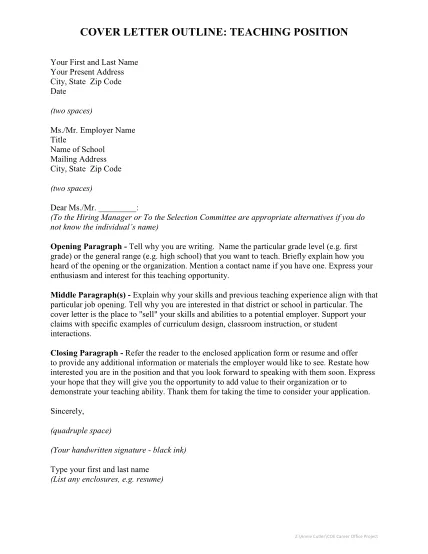
The body paragraphs make up the main part of your cover letter. Expand on your skills and experience, and then show how they align with the job requirements. Address a particular aspect of the job description. Provide clear and compelling examples of your achievements. Quantify your achievements whenever possible to demonstrate your impact. Use action verbs to bring your experience to life. The goal is to paint a vivid picture of your qualifications. Connect your skills to the job requirements.
Closing Your Cover Letter Effectively
Your conclusion is your final chance to leave a positive impression. Summarize your main qualifications. Reiterate your interest in the role. Thank the reader for their time and consideration. Include a call to action, such as inviting them to contact you. Make sure to review and edit this section, so you do not end on a mistake. Express your appreciation by ending with a professional tone.
Tailoring Your Cover Letter for Any Job
Customizing your letter to match the job requirements is essential. Never send a generic letter. Review the job description, and identify the key skills and qualifications. Adapt your cover letter to show how your skills align with these requirements. Use the same keywords and phrases found in the job description. Tailoring shows that you understand the role, and that increases your chances of being noticed.
Researching the Company and the Role

Researching the company and role is a must. Visit the company’s website to learn about their mission, values, and recent news. Understand the company culture. Research the role’s responsibilities and what the company looks for in a candidate. You will be able to show your passion. Include relevant information to show the company that you are a good fit.
Adapting Your Skills to the Job Requirements
It is time to adapt your skills to the job requirements. Match your qualifications to the job description. Identify the skills that the employer seeks. Then, provide examples of how you have demonstrated these skills. Quantify your achievements. Use the same language and keywords in the job description.
Formatting and Proofreading Your Cover Letter
Formatting and proofreading are very important when it comes to cover letters. A well-formatted and error-free cover letter will demonstrate your professionalism and attention to detail. Ensure that your cover letter is readable, and free of errors. A good cover letter is essential for any job search.
Formatting Best Practices

Use a clean and professional font, such as Arial, Calibri, or Times New Roman. Use a font size between 10 and 12 points. Maintain consistent spacing, including double-spacing between paragraphs. Use clear headings and subheadings to separate sections. Avoid excessive use of bolding. Keep your letter to one page. These formatting choices contribute to a professional look.
Proofreading and Editing for Errors
Proofread your cover letter multiple times, paying close attention to grammar, spelling, punctuation, and sentence structure. Consider asking someone else to proofread for you. They can offer a fresh perspective and catch any errors you may have missed. Proofreading ensures that your cover letter is polished and reflects your professionalism.
Examples and Templates for Inspiration
Using cover letter examples and templates can inspire your writing. These resources offer different formats and styles. Focus on the structure and language used. Analyze the key features. Remember to customize these examples to fit your skills. Avoid common mistakes, and create a more compelling cover letter.
Cover Letter Templates to Use

Cover letter templates are great for starting the process. Many resources offer customizable templates you can adapt. Choose a template that aligns with your needs. Templates provide structure. They help with formatting and content. Tailor the template to fit your qualifications and personality.
Analyzing Successful Cover Letter Examples
Analyze successful cover letter examples to gain valuable insight. Pay attention to the candidate’s skills and experience. Note how they customize their letter. Observe the language used. Note the structure. Use these observations to enhance your writing. Use the examples and adapt them to fit your needs.