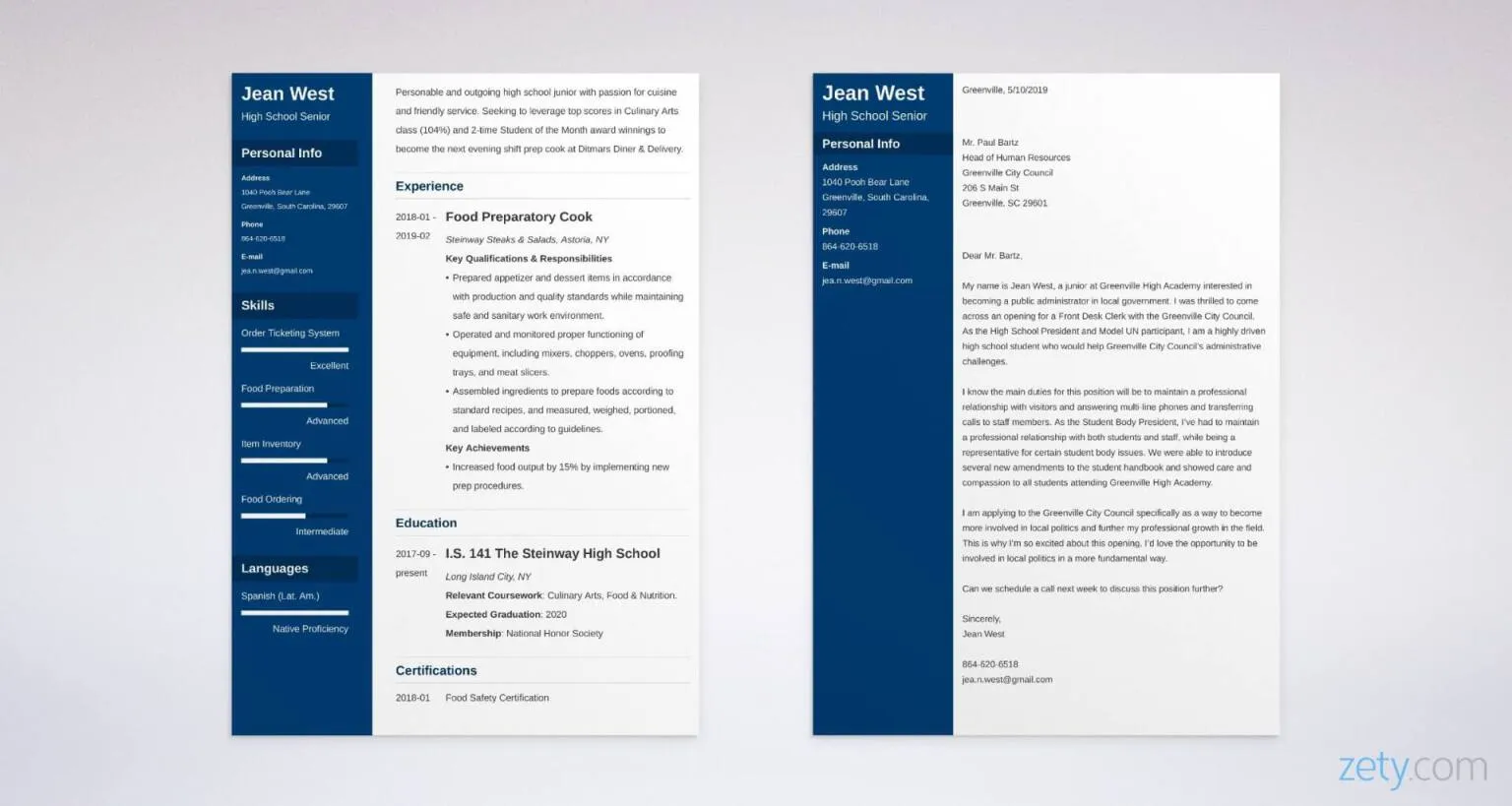
Understanding the High School Cover Letter
A high school cover letter is a crucial document for students seeking jobs, internships, or volunteer positions. It serves as your introduction to a potential employer, providing an opportunity to showcase your qualifications, skills, and enthusiasm. Unlike a resume, which provides a summary of your experiences, a cover letter allows you to elaborate on your achievements and explain why you’re a perfect fit for the specific opportunity. It demonstrates your communication skills, attention to detail, and genuine interest in the role. A well-crafted cover letter significantly increases your chances of getting noticed and securing an interview.
Why a Cover Letter Matters for High School Students
In a competitive job market, a cover letter is a powerful tool that distinguishes you from other applicants. For high school students, it’s even more critical because your experience may be limited. The cover letter allows you to highlight transferable skills, such as teamwork, communication, and problem-solving, gained from school projects, extracurricular activities, or volunteer work. It provides a platform to express your personality and demonstrate your eagerness to learn and contribute. By showing that you’ve taken the time to tailor your letter to the specific opportunity, you convey professionalism and a genuine interest, setting you apart from applicants who might only submit a resume.
Key Components of a High School Cover Letter

A well-structured cover letter is essential for making a positive impression. It should include key elements that provide all the information a potential employer needs to know. Each section serves a specific purpose in conveying your qualifications and enthusiasm. A clear and organized structure will make your cover letter easy to read and understand. The following sections are critical to including in your cover letter.
Your Contact Information
At the top of your cover letter, include your full name, address, phone number, and email address. Make sure your email address is professional and easy to read. This information allows the employer to easily contact you if they are interested in your application. Double-check the accuracy of all information before sending your cover letter.
The Employer’s Contact Information
Below your contact information, include the employer’s contact details. Include the hiring manager’s name (if known), their title, the company name, and the company’s address. Addressing the letter to a specific person demonstrates that you have done your research and increases the chances of your application being read by the right person.
The Salutation: Addressing the Hiring Manager

Start your cover letter with a professional salutation. If you know the hiring manager’s name, use “Dear Mr./Ms./Mx. [Last Name].” If you don’t know the name, use “Dear Hiring Manager” or “Dear [Company Name] Team.” Avoid generic salutations like “To Whom It May Concern.” Use the correct form of address to show respect and professionalism.
The Opening Paragraph: Grab Their Attention
The opening paragraph should immediately grab the reader’s attention. State the specific position you are applying for and where you found the job posting. Briefly mention why you are interested in the role and the company. Highlight one or two key skills or experiences that make you a strong candidate. This paragraph sets the tone for the rest of your letter.
Highlighting Your Skills and Experiences
The body of your cover letter is where you showcase your skills and experiences. Focus on how your qualifications align with the job requirements. Provide specific examples to demonstrate your abilities and achievements. Use action verbs to describe your experiences and quantify your accomplishments whenever possible. Show, don’t just tell, by providing concrete examples of how you’ve applied your skills in the past.
Showcasing Academic Achievements

Include relevant academic achievements, such as your GPA (if it’s strong), honors, or awards. Mention any coursework or projects that relate to the job or opportunity. These details demonstrate your commitment to learning and your ability to succeed in an academic environment, which can be valuable to employers.
Mentioning Relevant Extracurricular Activities
Highlight any extracurricular activities you’ve participated in, such as sports, clubs, or volunteer work. Describe your roles and responsibilities and the skills you gained from these experiences. Extracurricular activities show your interests, teamwork abilities, and time management skills.
Demonstrating Soft Skills
Emphasize soft skills like communication, teamwork, problem-solving, and leadership. Provide examples of how you’ve used these skills in past experiences. Soft skills are crucial for workplace success and can set you apart from other candidates.
Tailoring Your Letter to the Job or Opportunity

Customizing your cover letter for each job or opportunity is essential. This demonstrates your genuine interest and attention to detail. Tailoring shows that you understand the employer’s needs and that you are a good fit for their requirements. Make sure to tailor to the specific job description and company values.
Researching the Company or Organization
Before writing your cover letter, research the company or organization. Understand their mission, values, and the services they provide. Incorporate this information into your letter to show that you understand what they do and why you want to be a part of it. This research will also help you to match your skills and experiences.
Matching Skills to Job Requirements
Carefully review the job description and identify the key skills and qualifications they are looking for. Highlight your relevant skills and experiences and provide specific examples of how you have demonstrated these skills in the past. This demonstrates your ability to do the job and that you are a strong match for the position.
Writing a Compelling Body Paragraph

The body paragraphs should elaborate on your skills and experiences. Use the STAR method (Situation, Task, Action, Result) to provide concrete examples of your accomplishments. Quantify your results whenever possible. Keep each paragraph focused and concise, highlighting the most relevant information for the role.
Formatting Your Cover Letter Effectively
Effective formatting ensures your cover letter is easy to read and visually appealing. Proper formatting demonstrates your professionalism and attention to detail. Use a consistent font, spacing, and margins throughout the document. Proper formatting helps your letter stand out.
Font Choices and Size
Choose a professional and easy-to-read font, such as Times New Roman, Arial, or Calibri. Use a font size between 10 and 12 points. Avoid using overly decorative or unusual fonts. The standard font sizes are very important to take into consideration.
Margins and Spacing

Use standard one-inch margins on all sides. Double-space between paragraphs for easy reading. Use single spacing within paragraphs. Proper spacing improves readability and makes your letter more appealing.
Proofreading and Editing
Before submitting your cover letter, carefully proofread it for any typos, grammatical errors, or inconsistencies. Ask a teacher, parent, or friend to review your letter as a second pair of eyes. A well-proofread cover letter demonstrates attention to detail and professionalism.
The Closing Paragraph: Call to Action
The closing paragraph should reiterate your interest in the position and thank the employer for their time and consideration. It should include a call to action, such as inviting them to contact you for an interview. End with a professional closing such as “Sincerely” or “Best regards.”
Expressing Gratitude
Express your gratitude to the employer for considering your application. Thank them for their time and for taking the time to read your cover letter. Expressing your gratitude is a sign of courtesy and professionalism.
Including a Call to Action
Include a call to action, such as inviting the employer to contact you for an interview. State your availability for an interview and provide your contact information again. A call to action encourages the employer to take the next step.
Common Mistakes to Avoid
Avoid these common mistakes to ensure your cover letter makes a positive impression. Be sure to carefully edit your cover letter to avoid these common errors.
Generic Language and Lack of Personalization
Avoid using generic language and templates that can be used for any job. Tailor your letter to the specific opportunity and company. Generic language indicates a lack of effort and a lack of interest. Make sure to personalize each of your cover letters.
Typos and Grammatical Errors
Typos and grammatical errors can undermine your credibility. Always proofread your letter carefully and have someone else review it. Typos and errors suggest a lack of attention to detail.
Too Much or Too Little Information
Provide enough information to showcase your qualifications, but don’t overload the reader with unnecessary details. Keep your letter concise and focused on the most relevant information. Keep your letter to one page in length.
Cover Letter Examples for High School Students
Reviewing examples can help you understand how to structure and write your cover letter. Find examples that match your experience and the types of positions you are seeking.
Example Cover Letter 1 Internship
This example highlights how to showcase relevant skills and experiences for an internship position. It demonstrates how a high school student can convey their enthusiasm and qualifications for an internship.
Example Cover Letter 2 Part-time Job
This example focuses on how to write a cover letter for a part-time job. It provides an example of how to tailor your cover letter to the specific requirements of a part-time job posting.
Example Cover Letter 3 Volunteering
This example demonstrates how to tailor your cover letter for a volunteering position. Show your interest and passion for the cause. The cover letter examples provide a template.
Finalizing and Submitting Your Cover Letter
Once you have written and edited your cover letter, it’s important to finalize it and submit it properly. Follow these steps to ensure your cover letter makes a professional impression.
Choosing the Right File Format
Save your cover letter in a professional file format, such as PDF, to ensure it maintains its formatting. PDF format is universally compatible and prevents any formatting issues when opened on different devices. Always send a PDF file.
Submitting Your Cover Letter Online or Offline
Follow the instructions provided in the job posting or application guidelines. If submitting online, upload your cover letter and resume in the required format. If submitting offline, print a clean copy of your cover letter and resume. Proofread everything carefully before submitting.