Understanding the Importance of a D&I Cover Letter
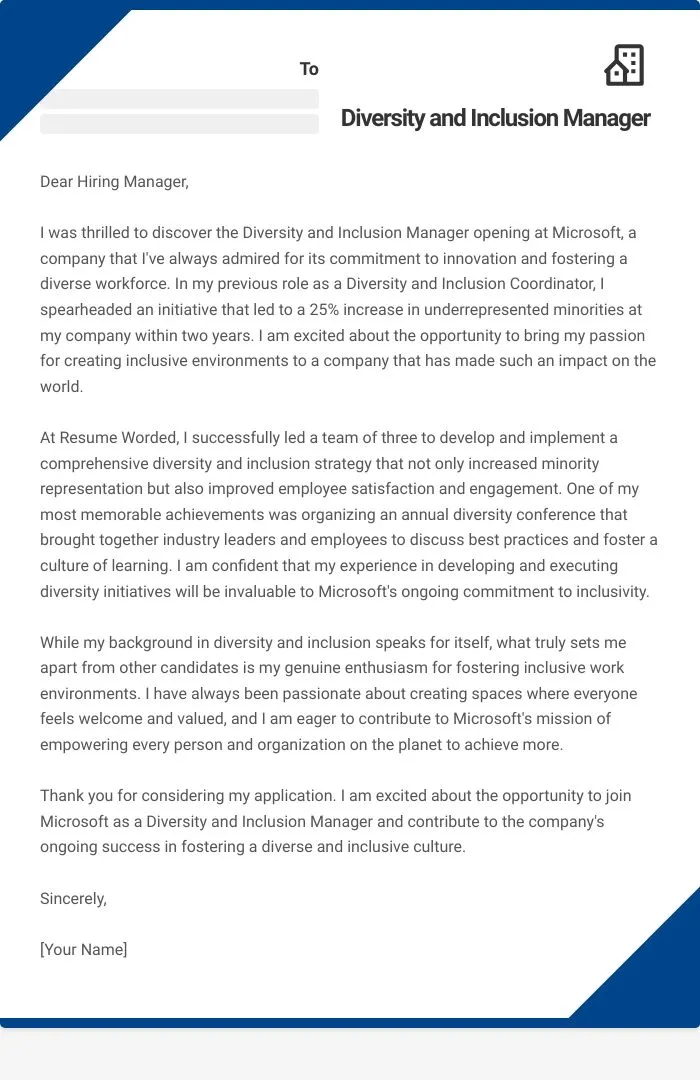
A Diversity & Inclusion (D&I) cover letter is more than just a formality; it’s your first opportunity to demonstrate your commitment to creating a more equitable and inclusive workplace. It allows you to showcase your understanding of D&I principles and how your skills and experiences align with the organization’s values. A well-crafted cover letter can set you apart from other candidates and highlight your passion for fostering a diverse and inclusive environment. It provides a platform to articulate your unique perspective and how you can contribute to the company’s D&I goals. This letter should reflect your understanding of the current societal climate and your proactive approach to promoting equality and belonging within an organization. Remember, the cover letter is your chance to make a strong first impression and illustrate why you are the ideal candidate for the role.
Highlighting Your Skills and Experience
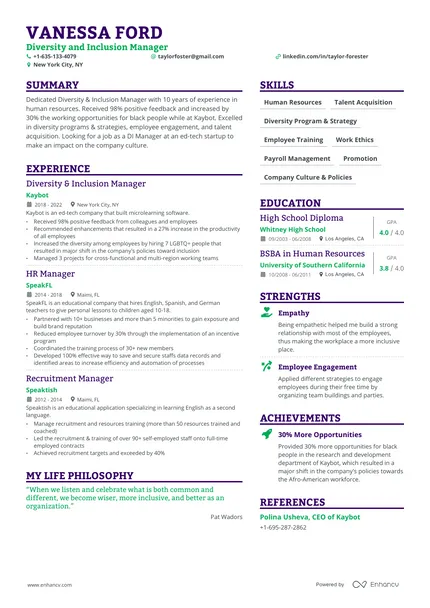
When crafting your cover letter, it’s crucial to highlight the skills and experiences that directly relate to the D&I Manager role. This includes your knowledge of diversity, equity, and inclusion best practices, your experience in developing and implementing D&I strategies, and your ability to conduct training and awareness programs. Focus on the tangible skills you possess and how they translate into actionable results. Instead of just listing responsibilities, illustrate your capabilities through concrete examples. Showcase your analytical skills, such as how you’ve used data to identify and address disparities, and your communication skills, emphasizing your ability to effectively communicate complex D&I concepts to diverse audiences. Always align your skills and experience with the specific requirements outlined in the job description; this demonstrates that you’ve tailored your application to meet the employer’s needs.
Tailoring Your Letter to the Specific Role

Every job posting is unique, and so should your cover letter be. Thoroughly review the job description to identify the specific requirements, responsibilities, and desired qualifications. Customize your cover letter to address each of these points directly. Use keywords from the job posting throughout your letter, but ensure that you do so naturally and authentically. Show how your skills and experiences align with the employer’s needs. Mention specific projects, initiatives, or accomplishments that demonstrate your ability to succeed in the role. The more personalized your cover letter, the better your chances of making a positive impression on the hiring manager. Avoid generic statements; instead, provide concrete examples of how you’ve made a difference in previous roles.
Researching the Company Culture
Before writing your cover letter, invest time in researching the company’s values, mission, and existing D&I initiatives. Visit their website, social media profiles, and any other available resources to gain insights into their commitment to diversity and inclusion. Look for statements, policies, and programs that demonstrate their dedication to fostering a diverse and inclusive workplace. This research will not only help you understand the company’s culture but also provide you with relevant information to incorporate into your cover letter. Mention specific initiatives or values that resonate with you, and explain how your skills and experiences align with their goals. By demonstrating that you’ve taken the time to understand the company, you showcase your genuine interest and commitment to the role.
Showcasing Relevant Experiences
Use your cover letter as a platform to showcase experiences directly related to diversity and inclusion. This could include experience in developing and implementing D&I programs, conducting training sessions, or leading employee resource groups. Provide specific examples of your accomplishments and the impact you’ve made in previous roles. Quantify your achievements whenever possible. Did you increase employee participation in D&I training? Did you reduce employee turnover rates among underrepresented groups? These measurable results will demonstrate the value you can bring to the organization. Explain the context, the actions you took, and the outcomes achieved. The more concrete your examples, the stronger your cover letter will be.
Quantifying Your Achievements

Numbers speak volumes. When describing your achievements, use quantifiable data to illustrate the impact of your work. Instead of saying “I improved employee engagement,” state “I increased employee engagement scores by 15% through the implementation of a new mentorship program.” Using metrics such as percentages, numbers of participants, or cost savings makes your accomplishments more tangible and convincing. If you implemented a new D&I training program, mention the number of employees who participated and the positive feedback received. If you helped resolve a workplace conflict, explain how you helped to achieve a positive outcome. Providing quantifiable results not only strengthens your claims but also demonstrates your ability to measure and evaluate the success of your D&I initiatives.
Demonstrating Your Passion for D&I
Your cover letter should reflect your genuine passion for diversity and inclusion. Show the hiring manager that you are not just qualified for the role but also genuinely committed to creating a more equitable and inclusive workplace. Share your personal connection to D&I and what drives you to pursue this work. This could stem from personal experiences, professional aspirations, or a deep-seated belief in the importance of equality. Let your enthusiasm shine through in your writing. This will make your cover letter more engaging and memorable. Express your dedication to fostering a sense of belonging for all employees, and discuss your commitment to continuous learning and growth in the field of D&I.
Expressing Your Personal Connection
Sharing your personal connection to diversity and inclusion can add a layer of authenticity and depth to your cover letter. If you have firsthand experience with discrimination or marginalization, you can share how those experiences have shaped your commitment to D&I. If you’re an ally, explain why you’re passionate about advocating for underrepresented groups. Consider how your background, values, and experiences have influenced your perspective on D&I. This isn’t about sharing your entire life story, but rather about providing a glimpse into what motivates you. Use your personal story to demonstrate your understanding and empathy for the challenges faced by underrepresented groups and your commitment to creating positive change. Your ability to connect on a personal level can make a strong impression on the hiring manager.
Using Inclusive Language
Pay close attention to the language you use in your cover letter. Employ inclusive language that reflects your commitment to diversity and respect for all individuals. Avoid using gendered pronouns or making assumptions about people’s identities. Instead, use gender-neutral language or refer to individuals by their names. Be mindful of the terminology you use to describe different groups of people and use terms that are respectful and up-to-date. Show a deep understanding of the importance of using inclusive language in the workplace. Proofread your cover letter carefully to ensure it is free of any language that could be considered offensive or exclusionary. Using inclusive language is not only good practice; it also demonstrates your commitment to creating a more equitable and inclusive environment.
Formatting and Structure
A well-formatted cover letter is easy to read and makes a positive impression. Use a professional font, such as Times New Roman or Arial, and ensure that your letter is properly formatted with clear paragraphs and appropriate spacing. Keep your letter concise and focused, aiming for one page. Break up large blocks of text with bullet points or subheadings to improve readability. Ensure your cover letter is free of any grammatical errors or typos. Your cover letter’s formatting is important because it makes your message easier to understand. Using a clear structure enhances the reader’s comprehension and makes it easier for the hiring manager to quickly assess your qualifications.
Crafting a Strong Opening
Your opening paragraph is crucial for grabbing the hiring manager’s attention. Instead of simply stating the role you’re applying for, start with a compelling statement that highlights your key qualifications or expresses your enthusiasm for the company’s D&I initiatives. If you were referred by someone at the company, mention that in your opening. Clearly state the position you are applying for and where you saw the job posting. Convey your passion for diversity and inclusion from the outset. Use the opening to immediately showcase your relevant skills and experiences, and make it clear why you’re the perfect fit for the role.
Developing Compelling Body Paragraphs

The body paragraphs of your cover letter should provide detailed information about your skills, experiences, and qualifications. Use specific examples to illustrate your accomplishments and how they align with the requirements of the role. Elaborate on your experience with developing and implementing D&I programs, leading training sessions, or fostering employee resource groups. Highlight your ability to work with diverse groups, resolve conflicts, and promote a culture of inclusion. Be clear, concise, and use strong action verbs to describe your contributions. Focus on demonstrating your understanding of the company’s D&I goals and how you can contribute to achieving them. Tailor each body paragraph to the specific needs of the job description.
Writing a Powerful Closing
Your closing paragraph should reiterate your interest in the position and express your enthusiasm for the opportunity. Summarize your key qualifications and reiterate why you are the best candidate for the role. Thank the hiring manager for their time and consideration. Include a clear call to action, such as stating your availability for an interview and your contact information. Express confidence in your ability to contribute to the company’s D&I goals and your eagerness to discuss how your skills and experience align with the role. End with a professional closing, such as “Sincerely” or “Best regards.”
Proofreading and Editing
Before submitting your cover letter, carefully proofread and edit it for any errors. Check for grammatical errors, typos, and inconsistencies in your writing. Ensure that your letter is clear, concise, and easy to read. Have a friend or colleague review your letter for feedback and suggestions. A polished cover letter demonstrates your attention to detail and professionalism. Make sure your contact information is correct and easy to find. Ensure the cover letter is free from any language that could be perceived as offensive or discriminatory. Proofreading ensures that your writing is perfect and that your message comes across clearly and accurately.