Why a Cover Letter Matters
In the competitive landscape of job applications, a well-crafted cover letter can be the deciding factor in securing an interview. Often overlooked, a cover letter serves as your first and sometimes only opportunity to make a strong impression on a potential employer. It’s your chance to tell your story, highlight your unique skills and experiences, and demonstrate your genuine interest in the specific role and company. Unlike a resume, which is a factual summary of your qualifications, a cover letter allows you to inject personality, enthusiasm, and a clear understanding of how your skills align with the company’s needs. Failing to include a cover letter, or submitting a generic one, can signal a lack of attention to detail or a lack of genuine interest, potentially leading to your application being overlooked. A cover letter is not just a formality, it is a strategic tool that can significantly increase your chances of landing your dream job.
Grabbing Attention with Your Cover Letter
The opening of your cover letter is critical; it’s your chance to grab the reader’s attention and encourage them to continue reading. Avoid generic openings like “Dear Hiring Manager” unless you know the specific person to address. Instead, try a personalized greeting such as “Dear Ms. Smith,” or if you can’t find a name, tailor the opening to the company or the specific job. The first paragraph should be concise and compelling, immediately stating the position you are applying for and why you are a good fit. Think of it as your elevator pitch: quickly summarizing your key qualifications and expressing your enthusiasm for the opportunity. A strong opening might highlight a specific achievement relevant to the role or reference a company value that resonates with you. This shows you’ve done your research and are genuinely interested, which can set you apart from the crowd. Keep it brief, impactful, and focused on the value you can bring to the company.
Highlighting Key Skills and Experience

The body of your cover letter is where you demonstrate how your skills and experiences align with the job requirements. Rather than simply listing your qualifications as you would in a resume, use this section to tell a story. Provide specific examples that showcase your accomplishments and quantify your results whenever possible. Instead of saying “Managed projects”, you could write, “Successfully managed three projects, resulting in a 15% increase in efficiency.” Align your skills with the keywords in the job description, but don’t just parrot them back; provide context and explain how you utilized those skills to achieve positive outcomes. Explain your thought processes and how you would address challenges. This narrative approach not only makes your cover letter more engaging, but also helps the hiring manager visualize you in the role, seeing how you would contribute to the team and the company’s overall goals. Remember, the goal is to convince the reader that you are not just qualified, but the best candidate for the job.
Tailoring Your Cover Letter
One of the biggest mistakes job seekers make is sending out generic cover letters. Each cover letter should be customized for the specific job and company. Before you start writing, carefully review the job description and research the company. Understand their mission, values, and recent achievements. Identify the key requirements and tailor your letter to address them. Demonstrate how your skills and experiences specifically meet those requirements, providing relevant examples and explaining your thought processes. This shows that you’ve done your homework and are genuinely interested in the role and the company. Show you are not just looking for a job, but are eager to become a valuable member of their team. Mentioning something specific about the company, such as a recent project or their company culture, shows you have taken the time to learn about them. This level of personalization demonstrates your dedication and significantly increases your chances of getting noticed.
Formatting Your Cover Letter
The format of your cover letter is just as important as its content. A well-formatted cover letter is easy to read and reflects professionalism. Use a standard font like Arial or Times New Roman, with a font size between 10 and 12 points. Ensure your letter is well-structured with clear paragraphs and adequate spacing. Avoid using jargon or overly complex language that might confuse the reader. Keep your letter concise, ideally within one page. Include your contact information at the top, including your name, phone number, email address, and optionally your LinkedIn profile. Use a professional salutation and closing. If you are applying for a role that requires specific skills like graphic design, consider how you can showcase your design skills in the letter. Your cover letter is a reflection of your attention to detail and your ability to communicate effectively. An unprofessional format, or even a poorly designed layout, can create a negative impression, so taking the time to get the format right is vital.
Proofreading and Editing Your Cover Letter

Before submitting your cover letter, proofreading and editing are essential. Errors in grammar, spelling, and punctuation can undermine your credibility and suggest a lack of attention to detail. Read your cover letter aloud to catch any awkward phrasing or inconsistencies. Ask a friend, family member, or career advisor to review it for you. They might identify errors that you have missed. Ensure that your letter flows logically and that the tone is appropriate for the job and company. Check to make sure that you’ve addressed the correct company name and the hiring manager’s name. Even the smallest errors can create a negative impression. Take your time, and don’t rush this crucial step. A polished cover letter demonstrates your professionalism and commitment to making a positive first impression. A final review will help you to catch any missed details and make certain that your cover letter truly represents your best self.
Cover Letter Examples
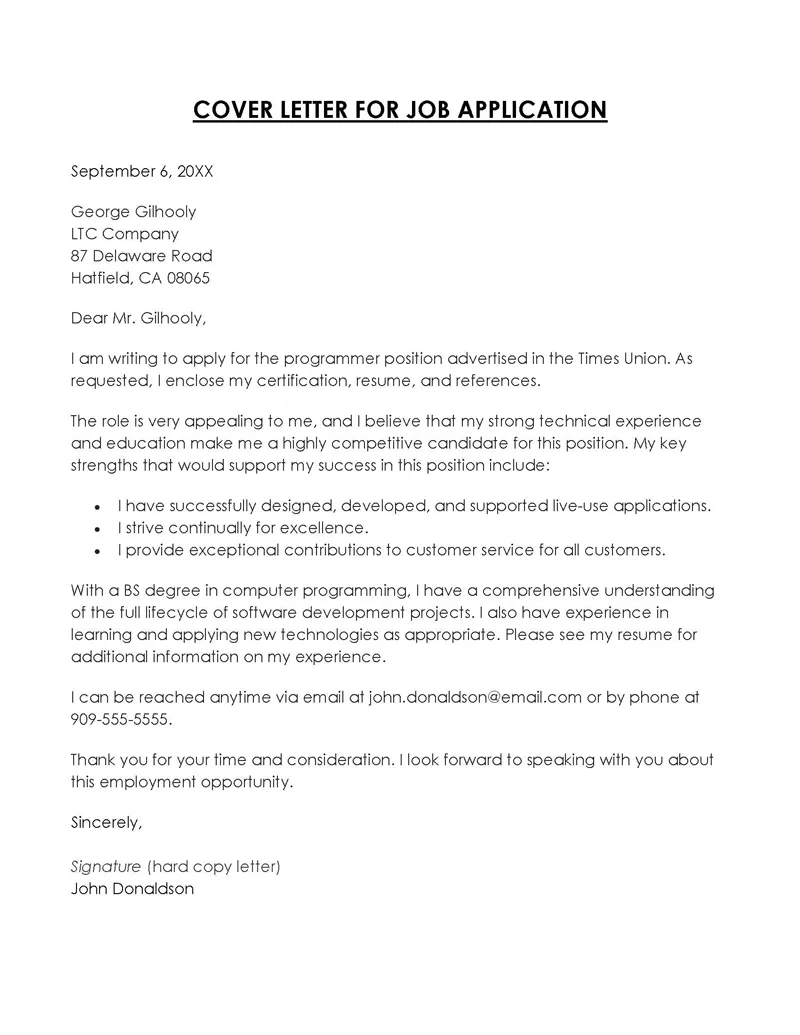
Reviewing cover letter examples can provide invaluable insights and guidance. There are numerous online resources offering a variety of cover letter templates and examples for different industries and job types. Look for examples that align with your field and the specific role you are applying for. Pay attention to how the authors structure their letters, how they highlight their skills, and how they tailor their message to the company. However, be careful not to plagiarize. Use the examples as inspiration rather than copying them verbatim. Adapt the examples to fit your own experiences and qualifications, and always personalize the letter to match the job requirements. This approach will ensure that your cover letter reflects your unique skills and personality, which will make your application stand out from the crowd. Learning from successful cover letter examples can greatly improve your chances of success in the job application process.