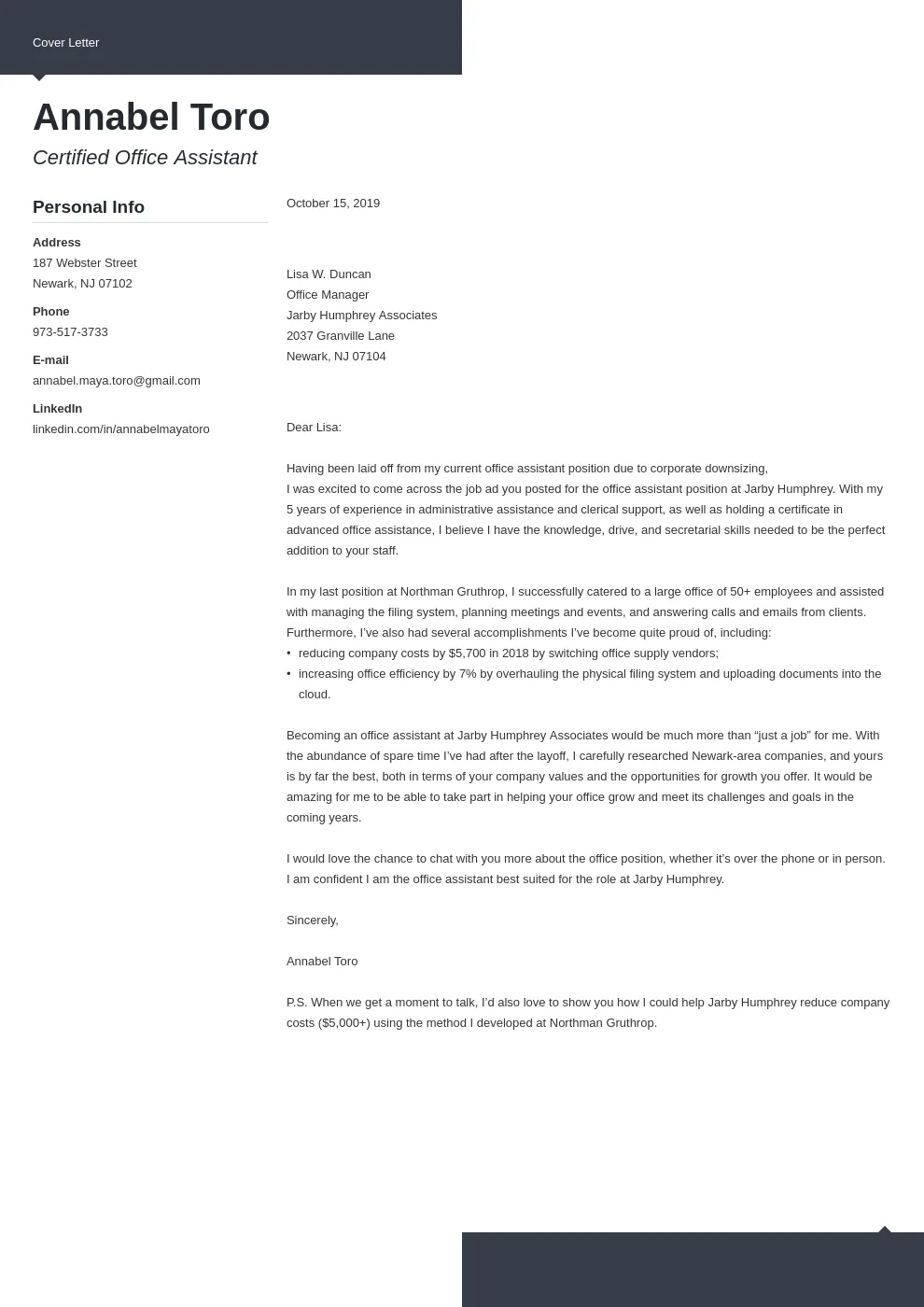
What is a Cover Letter and Why Is It Important
A cover letter is a crucial document that accompanies your resume when you apply for a job. It serves as your personal introduction to the hiring manager, offering a chance to highlight your skills, experience, and enthusiasm for the position. Unlike your resume, which provides a factual overview of your qualifications, a cover letter allows you to tell your story and explain why you’re the perfect fit for the role. It’s an opportunity to showcase your personality and demonstrate your understanding of the company and the job requirements. A well-written cover letter can significantly increase your chances of getting an interview.
Key Elements of a Cover Letter
Your Contact Information

At the very top of your cover letter, include your contact information. This should include your full name, phone number, email address, and optionally, your LinkedIn profile URL or personal website. Ensure this information is accurate and up-to-date. This makes it easy for the hiring manager to contact you for an interview or further discussion. Using a professional email address is also critical; avoid using informal or outdated email handles.
The Date
Following your contact information, include the date. This is the date you are sending your cover letter. This provides context for the hiring manager, letting them know when the application was submitted. Always use the current date to avoid any confusion. Proper dating is essential, though often overlooked, it adds to the professionalism of the document.
Hiring Manager’s Contact Information
If possible, address your cover letter to a specific person by name. Research the hiring manager’s name and title on the company’s website or LinkedIn. Addressing the letter to a specific person personalizes your application and shows you’ve taken the initiative to learn more about the company. If you can’t find a specific name, use a professional salutation such as ‘Dear Hiring Manager’ or ‘Dear [Department] Team’.
Start with a Compelling Opening

The opening paragraph is your chance to grab the hiring manager’s attention. Start with a strong statement that immediately conveys your interest in the position and the company. Briefly mention how you found the job and why you’re excited about it. Avoid generic openings like ‘I am writing to express my interest…’ Instead, make it personal. For example, mention something specific that attracted you to the role or the company’s mission.
Highlight Your Relevant Skills and Experience
The body of your cover letter is where you showcase your skills and experience. Review the job description carefully and identify the key requirements. Then, use specific examples from your past experiences to demonstrate how you meet those requirements. Quantify your achievements whenever possible. Instead of saying ‘Managed social media,’ say ‘Increased social media engagement by 30% in six months.’ This provides concrete evidence of your abilities.
Tailor Your Letter to the Job and Company
Avoid sending a generic cover letter. Customize each letter to the specific job and company. Research the company’s values, culture, and recent activities. Show that you understand their business and how you can contribute to their success. Refer to specific projects, initiatives, or goals of the company to demonstrate your understanding and genuine interest. This personalization sets you apart from other applicants.
Showcase Your Achievements

Focus on your accomplishments rather than just listing your responsibilities. Provide concrete examples of how you have contributed to previous employers. Use the STAR method (Situation, Task, Action, Result) to structure your examples. Describe the situation, the task you were assigned, the action you took, and the positive result you achieved. This approach helps the hiring manager understand your impact.
End with a Strong Call to Action
Conclude your cover letter with a clear call to action. Express your enthusiasm for the opportunity and reiterate your interest in an interview. Thank the hiring manager for their time and consideration. Provide your contact information again, making it easy for them to reach you. A strong closing reinforces your interest and leaves a positive impression.
Formatting and Layout Best Practices
Choose a Professional Font

Select a professional and easy-to-read font, such as Times New Roman, Arial, or Calibri. Keep the font size between 10 and 12 points. Use consistent formatting throughout the document, including font style, size, and spacing. Avoid using overly decorative or unconventional fonts that might distract the reader. Consistency shows attention to detail.
Keep it Concise
Aim for a cover letter that is no more than one page long. Hiring managers often have to read many applications, so they appreciate brevity. Get straight to the point and focus on the most relevant information. Use clear and concise language. Avoid unnecessary jargon or complex sentences. Every word should add value to your message.
Proofread Carefully
Before submitting your cover letter, proofread it multiple times for any errors in grammar, spelling, and punctuation. Even minor mistakes can create a negative impression. Ask a friend or family member to review your letter as well. Fresh eyes can often catch errors that you might miss. Ensure the tone is professional and appropriate for the specific role and company.
Example Cover Letter Structure

Use a standard business letter format. Begin with your contact information, the date, and the hiring manager’s contact information. In the body, start with a compelling opening, followed by a section that highlights your skills and experience, and a section that tailors the letter to the specific job and company. End with a strong call to action. Keep the tone enthusiastic and professional throughout the document.
Cover Letter Dos and Don’ts
Dos
- Research the company and customize your letter.
- Highlight relevant skills and experience.
- Use specific examples and quantify achievements.
- Proofread carefully for errors.
- Keep it concise and professional.
Don’ts

- Send a generic cover letter.
- Repeat your resume verbatim.
- Include irrelevant information.
- Use slang or unprofessional language.
- Exceed one page in length.
Where to Find Cover Letter Templates
There are many online resources that provide cover letter templates. Websites like Resume.com, and Zety offer a variety of templates that can help you get started. These templates offer pre-formatted structures that allow you to focus on the content. Be sure to customize the template to fit your specific needs and the job requirements. Remember, a template is a starting point, not a finished product.
Tips for Different Job Types
Different types of jobs require different approaches. For a creative role, you might use a more unique and visually appealing cover letter. For a more traditional role, a professional and formal tone is essential. Tailor your cover letter to the specific industry and job requirements. If you are applying for a remote position, highlight your ability to work independently and manage your time effectively. For academic positions, focus on your research and publications.
In conclusion, writing a compelling cover letter is an essential step in the job application process. By following these tips, you can create a cover letter that effectively showcases your skills, experience, and enthusiasm, increasing your chances of landing an interview and securing your dream job.