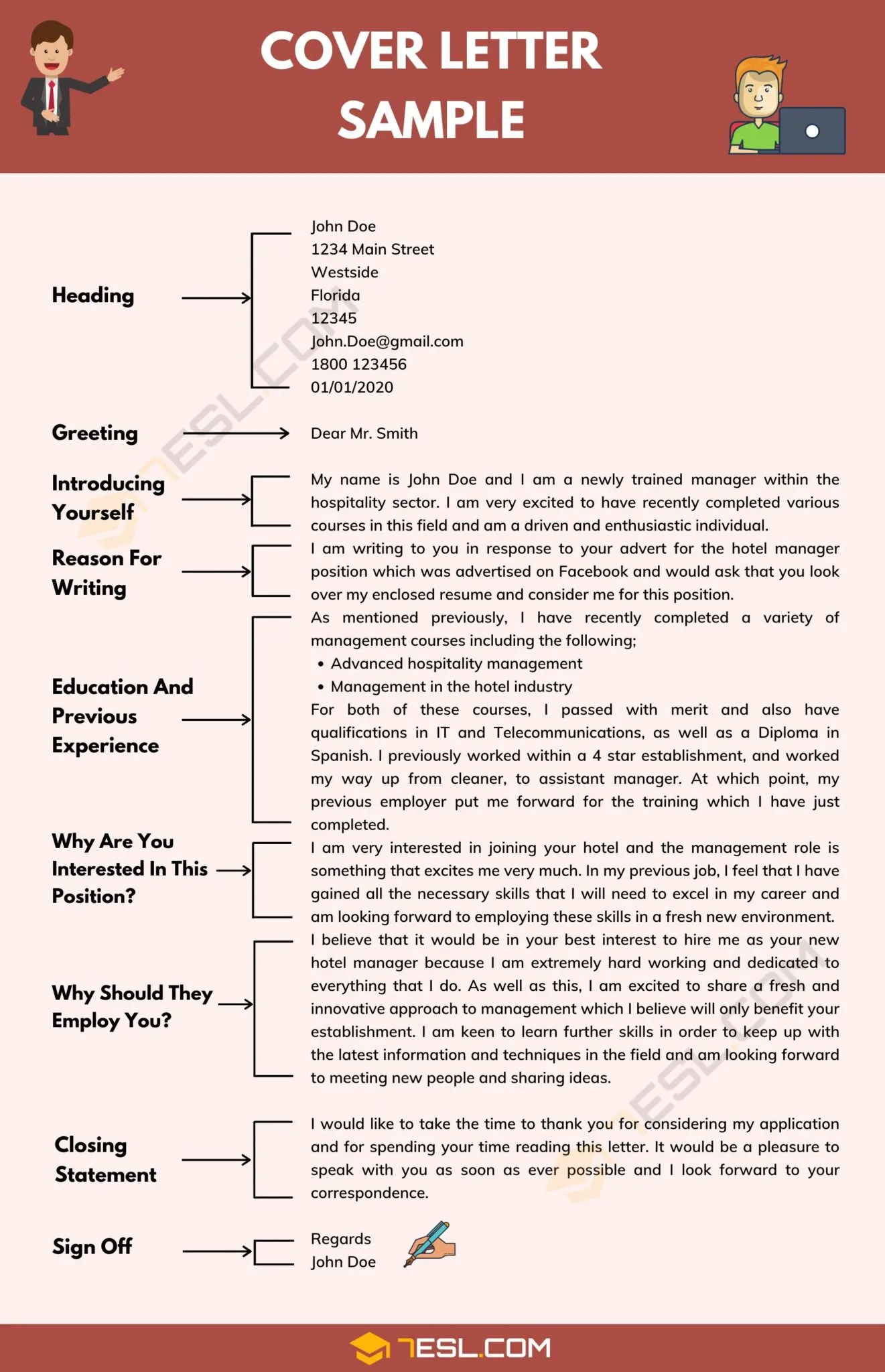
What is a Cover Letter?
A cover letter is a crucial document that accompanies your resume when applying for a job. It serves as your introduction to a potential employer, providing an opportunity to showcase your personality, skills, and enthusiasm for the position. Unlike a resume, which presents a factual summary of your qualifications, a cover letter allows you to tell a story, explaining why you’re the perfect fit for the role and the company. It’s your chance to make a strong first impression and persuade the hiring manager to read your resume and consider you for an interview. A well-crafted cover letter can significantly increase your chances of landing an interview, setting you apart from other applicants and demonstrating your genuine interest in the opportunity. Many people think the Cover Letter is unnecessary, but it’s the opposite, it gives you a great advantage.
Purpose of a Cover Letter
The primary purpose of a cover letter is to introduce yourself to the employer and highlight your suitability for the job. It allows you to elaborate on your resume, providing context and demonstrating how your skills and experience align with the specific requirements of the position. Cover letters also give you the opportunity to express your interest in the company and the role, showing that you’ve done your research and are genuinely excited about the opportunity. Another important function is to address any potential gaps or concerns in your application. For example, if you have a career change, you can use the cover letter to explain your reasoning and emphasize transferable skills. By effectively communicating your value proposition and enthusiasm, you can increase your chances of securing an interview and ultimately, landing the job.
Cover Letter Components

A well-structured cover letter typically includes several key components. It is important to know what it contains. These elements work together to present a cohesive and compelling narrative. Understanding each part will help you make a good cover letter.
Contact Information
At the top of your cover letter, include your contact information your name, phone number, email address, and optionally, your LinkedIn profile URL. Ensure this information is accurate and easy to find. It allows the hiring manager to quickly reach out to you if they are interested in your application.
Professional Greeting
Address the hiring manager by name if possible. Research the company to find the name of the hiring manager or recruiter. Using a name demonstrates that you’ve taken the time to personalize your application. If you can’t find a name, a generic greeting like “Dear Hiring Manager” is acceptable, but avoid outdated greetings.
Opening Paragraph Grab Attention

Start with a strong opening that grabs the reader’s attention. State the position you’re applying for and briefly mention why you’re excited about it. You can also include a captivating sentence highlighting your key skills or a relevant achievement. This paragraph sets the tone for the rest of the letter and encourages the hiring manager to keep reading. It is your chance to immediately grab the attention of the hiring manager.
Body Paragraphs Showcase Skills
The body of your cover letter is where you elaborate on your qualifications and demonstrate how your skills and experience align with the job requirements. Focus on the most relevant aspects of your background. Use specific examples to illustrate your achievements and quantify your impact whenever possible. Tailor your content to match the key requirements outlined in the job description. This demonstrates that you understand the role and what the company is looking for.
Highlight Relevant Experience
Select the experience that closely matches the job’s requirements. Describe your tasks, responsibilities, and accomplishments in previous roles, emphasizing skills and experiences that are relevant to the position you’re applying for. Be sure to use action verbs and focus on results. The more targeted your examples are, the better you demonstrate your suitability for the role.
Quantify Accomplishments

Whenever possible, quantify your accomplishments with data and numbers. Use metrics to illustrate your impact in previous roles, such as the percentage by which you increased sales, reduced costs, or improved efficiency. Quantifiable achievements make your cover letter more compelling and help you stand out. Numbers create a better impression of your experience and value to the company.
Demonstrate Company Knowledge
Show that you have researched the company and understand its mission, values, and goals. Mention specific projects, products, or initiatives that resonate with you. Demonstrating this knowledge shows your genuine interest and commitment to the company. Make sure to write things that are true about the company.
Closing Paragraph Call to Action
Conclude your cover letter with a strong call to action. Express your enthusiasm for the opportunity and reiterate your interest in the position. Thank the hiring manager for their time and consideration, and state your availability for an interview. This final paragraph reinforces your interest and encourages the next step in the hiring process.
Express Enthusiasm

Convey your enthusiasm for the role and the company. Let the hiring manager know why you are excited about the opportunity and what motivates you. Your genuine interest can set you apart from other candidates, which makes them want to interview you. Share with them that you have been following their work.
Proofread and Edit
Before submitting your cover letter, thoroughly proofread and edit it for any grammatical errors, spelling mistakes, or typos. Pay close attention to the flow and clarity of your writing. Ensure that your cover letter is free of any errors that could detract from your professionalism. Consider asking a friend or mentor to review your cover letter as a second pair of eyes can often catch mistakes that you may have missed. Proofreading is very important. You should also re-read your letter.
Formatting and Design Tips
The formatting and design of your cover letter can significantly impact its readability and overall appeal. Proper formatting helps to present your qualifications in a clear and organized manner, making it easier for the hiring manager to digest the information. A well-designed cover letter is a reflection of your professionalism. It demonstrates that you pay attention to detail and take pride in your work.
Choose the Right Font

Select a professional and easy-to-read font, such as Times New Roman, Arial, or Calibri. Stick to a standard font size (11 or 12 points) to ensure readability. Avoid using overly decorative or unusual fonts, as they can distract from the content. The best fonts are simple and clear. That makes the letter simple to read.
Keep it Concise
Aim for a cover letter that is no more than one page long. Keep your paragraphs concise and to the point. Avoid using overly long sentences or complex language. Get straight to the point of your letter, making your message clear and easy to follow. Focus on the most important information that you want to share with the hiring manager.
Tailor to Each Job
Customize your cover letter for each job application. Avoid sending a generic cover letter. Carefully review the job description and tailor your letter to match the specific requirements and keywords. Highlight the skills and experiences that are most relevant to the position. The effort you put into customizing your cover letter will demonstrate your genuine interest and improve your chances of getting an interview. Customize your cover letter.
Cover Letter Examples

Reviewing cover letter examples can provide valuable insights and inspiration. Search online for cover letter templates and examples related to your industry or the specific role you’re targeting. Use these examples as a guide to understand the structure, tone, and content of effective cover letters. Adapt the examples to reflect your own qualifications and experiences. Remember, the goal is to create a unique and personalized cover letter that showcases your strengths and helps you stand out from the competition. There are a lot of example letters out there to use as inspiration.