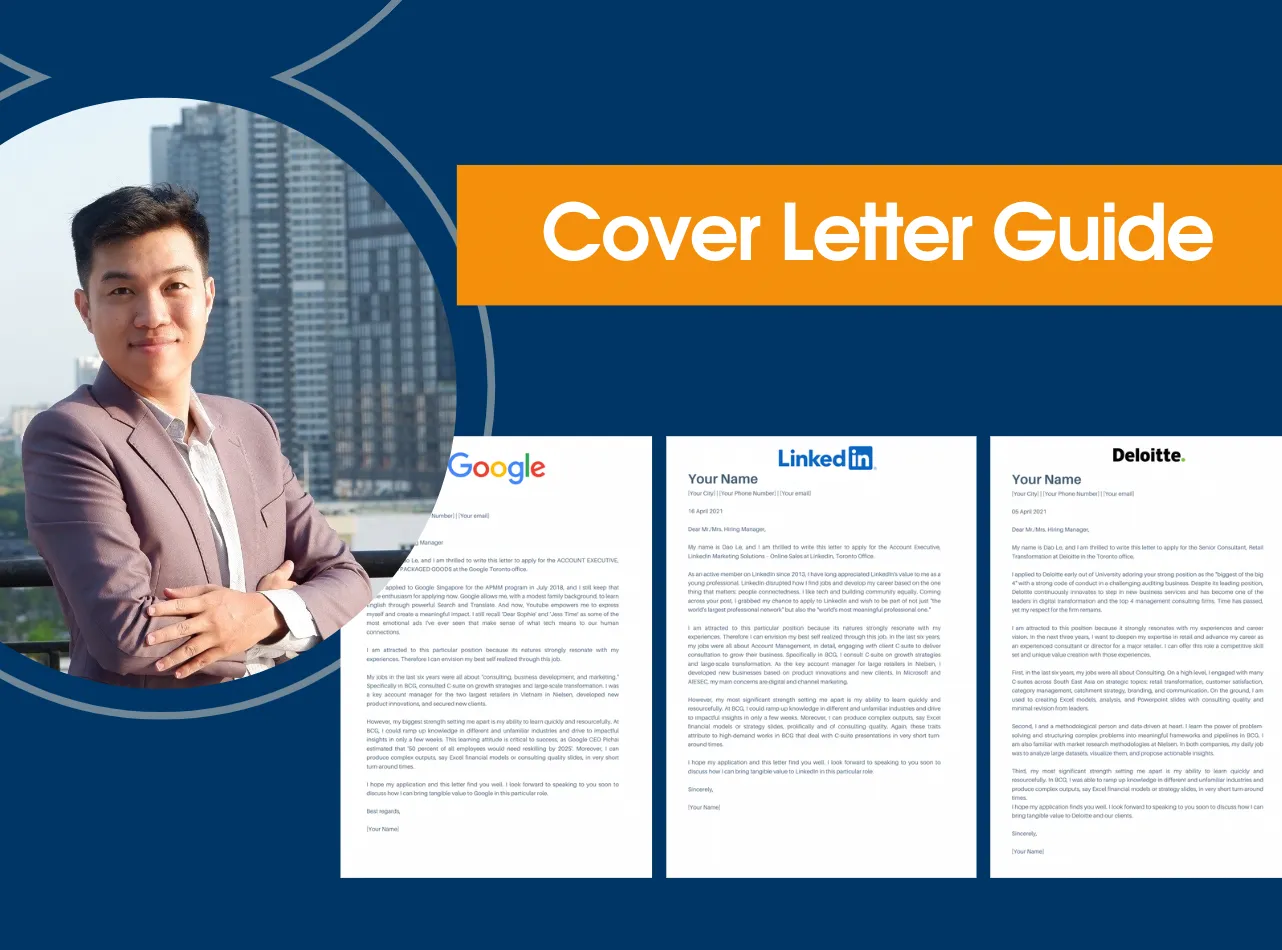
Cover Letter Structure Essential Elements
A well-structured cover letter is crucial for making a positive first impression. It should be clear, concise, and easy to read, guiding the hiring manager through your qualifications and demonstrating your genuine interest in the position. The structure provides a roadmap for your thoughts and helps to organize the information effectively. When crafting your cover letter, remember that it’s more than just a formality; it’s a vital marketing document that sells your skills and experience to potential employers. It allows you to tailor your application to the specific job and company, making it more relevant and compelling.
Contact Information Your Header
Start your cover letter with a professional header that includes your contact information. This typically includes your full name, phone number, email address, and LinkedIn profile URL (if you have one). Make sure this information is accurate and up-to-date. Use a clear and legible font for your header. The header’s purpose is to make it easy for the hiring manager to contact you. Ensure that your email address sounds professional (avoid nicknames or unprofessional terms). Also, verify your phone number and voicemail greeting.
Personalized Greeting Address the Hiring Manager

Whenever possible, address your cover letter to a specific person. Research the hiring manager’s name and title (LinkedIn can be helpful). Personalizing your greeting shows that you’ve taken the time to learn about the company and the role. Avoid generic greetings like “To Whom It May Concern.” If you cannot find the hiring manager’s name, use “Dear [Department/Hiring Team]” as a professional alternative. Personalizing the greeting immediately demonstrates interest, setting your letter apart from others.
Opening Paragraph Grab Attention
Your opening paragraph is your first and perhaps only chance to capture the reader’s attention. Clearly state the position you are applying for and where you found the job posting. Then, in one or two sentences, highlight your most relevant skills or experiences. This should demonstrate your understanding of the role and showcase the value you bring. Make your opening engaging and intriguing. Try using a strong action verb or a brief, compelling anecdote that showcases your relevant expertise. The goal is to make the hiring manager want to read more.
Body Paragraphs Highlight Skills & Experience
The body of your cover letter is where you provide detailed information about your skills and experience. These paragraphs should directly address the job requirements outlined in the job description. Avoid simply repeating your resume; instead, elaborate on your accomplishments and explain how your skills align with the position’s needs. Provide specific examples that showcase your achievements, demonstrating why you are a good fit for the role and company.
Showcase Relevant Skills Align with Job Requirements

Carefully review the job description and identify the key skills and qualifications the employer seeks. Then, in your cover letter, explicitly mention these skills and provide evidence of how you have successfully used them in the past. Prioritize the skills that are most relevant to the position, and ensure your examples clearly demonstrate your proficiency. This targeted approach shows that you have tailored your application to the specific needs of the role. This is critical and shows that you did the necessary research and understand the company’s needs.
Provide Specific Examples Use the STAR Method
Use the STAR method (Situation, Task, Action, Result) to structure your examples. Briefly describe the situation or context, the task you were assigned, the actions you took, and the results of your efforts. This method provides a clear and concise way to showcase your accomplishments. By using the STAR method, you give the hiring manager a clear understanding of your capabilities and the impact you have made in previous roles. Your examples should be quantifiable and demonstrate how you add value.
Quantify Achievements Use Numbers & Data
Whenever possible, quantify your achievements with numbers and data. Instead of saying “Improved customer satisfaction,” say “Improved customer satisfaction by 15% within six months.” Quantifiable results make your accomplishments more compelling and demonstrate the tangible impact you have had in previous roles. Use percentages, dollar amounts, or other metrics to showcase your successes. This demonstrates your ability to deliver results and measure success.
Express Enthusiasm & Fit

Show genuine enthusiasm for the company and the position. Explain why you are interested in the role and what specifically attracts you to the company. Your enthusiasm should be authentic and reflect a genuine interest in contributing to the company’s success. This enthusiasm should also show your interest in the company’s mission and culture. This can significantly improve your chances of being selected for an interview, showing that you are truly invested in the opportunity.
Tailor to Company Research the Company & Culture
Before writing your cover letter, research the company’s mission, values, and culture. Then, tailor your letter to reflect your understanding of the company and its goals. Demonstrate how your skills and experience align with the company’s values. You can find information on the company website, social media, and news articles. Showing that you have invested the time to understand the company significantly strengthens your application and showcases your commitment.
Showcase Your Value Proposition What You Offer
Clearly articulate your value proposition. What can you bring to the company? Summarize your key skills and how they will benefit the employer. Explain how your experience aligns with the company’s needs. Focus on the value you provide, rather than simply listing your qualifications. This helps the hiring manager understand the tangible benefits of hiring you. The value you provide is a unique aspect of your application.
Call to Action Request an Interview

End your cover letter with a clear call to action. State that you are eager to learn more about the opportunity and request an interview. Make it easy for the hiring manager to contact you. This might include your availability for an interview or how they can contact you. Express your enthusiasm and reiterate your interest in the position. The goal is to make it clear you want the job.
Closing Paragraph Professional Closing & Signature
Use a professional closing, such as “Sincerely” or “Best regards.” Then, include your typed name. You can also include your handwritten signature if you are submitting a hard copy. Keep the closing brief and professional. A well-written closing paragraph leaves a positive impression and reinforces your interest in the role. Ensure your closing paragraph is professional and reflects your attention to detail. This shows that you have professional writing skills.
Proofreading & Formatting Ensure Clarity & Polish
Before submitting your cover letter, proofread it carefully to ensure it is free of errors. Errors can create a negative impression. Ensure you format your cover letter to make it easy to read and visually appealing. Your goal is to make a positive impression. The small details are crucial in a job application. A polished cover letter demonstrates your professionalism and attention to detail. Proofreading is a critical step and will ensure your application makes the best impression.
Formatting Guidelines Easy to Read

Use a professional font, such as Times New Roman, Arial, or Calibri, and a font size between 10 and 12 points. Use one-inch margins and single-space your letter, with a double space between paragraphs. Keep the tone of your cover letter professional and businesslike. Make sure the document is easy to navigate. A well-formatted cover letter demonstrates your attention to detail and professionalism.
Proofreading Checklist Check for Errors
Before submitting your cover letter, carefully proofread it for any errors in grammar, spelling, and punctuation. Verify that your contact information is correct. Ensure that you have addressed the letter to the correct person. Check for any typos or awkward phrasing. Consider asking a friend or family member to review your cover letter to catch any errors you may have missed. A polished and error-free cover letter shows your attention to detail and professionalism. It can significantly increase your chances of getting an interview. Be sure to spell-check and grammar-check your letter.