What is a Cover Letter & Why Is It Important?
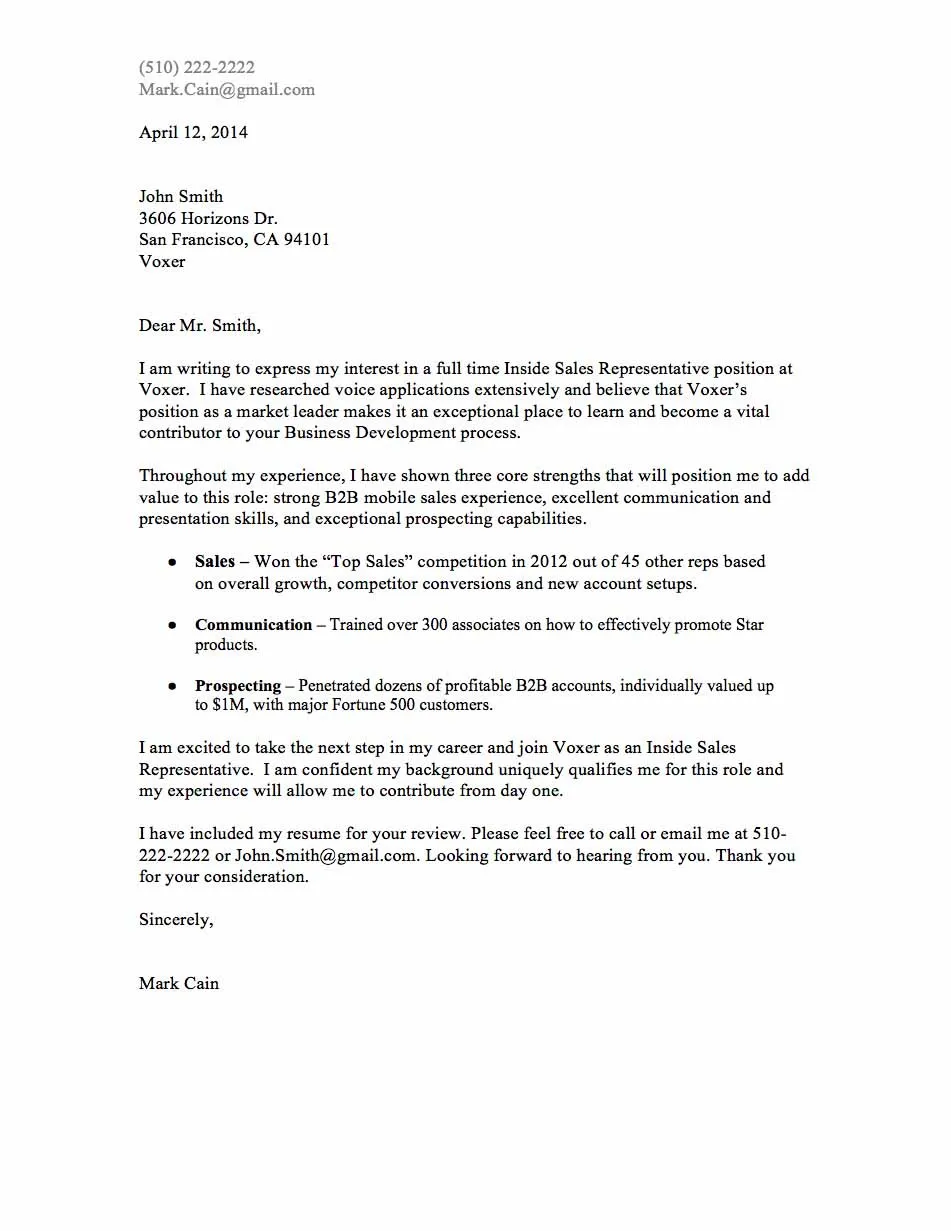
A cover letter is a crucial document that accompanies your resume when you apply for a job. It serves as your personal introduction to the hiring manager, allowing you to highlight your qualifications, skills, and enthusiasm for the position. Unlike a resume, which provides a factual overview of your experience, a cover letter gives you the opportunity to tell your story, explain why you’re the perfect fit, and demonstrate your personality. It’s your chance to make a strong first impression and convince the employer to read your resume with genuine interest. A well-crafted cover letter significantly increases your chances of getting noticed and securing an interview. It’s more than just a formality; it’s a vital tool in your job search arsenal.
Key Components of a Winning Cover Letter
A winning cover letter is not just a formality; it’s a carefully constructed document that showcases your skills and personality. There are several key components that contribute to its effectiveness. These elements work together to create a compelling narrative that grabs the reader’s attention, highlights your qualifications, and convinces the hiring manager you are the ideal candidate. Understanding and incorporating these components is essential for creating a cover letter that stands out from the competition.
Your Contact Information

At the top of your cover letter, include your contact information. This typically includes your full name, phone number, email address, and sometimes your LinkedIn profile URL. Make sure the information is accurate and professional. This is how the hiring manager will reach out to you, so double-check for any typos or errors. Consider using a professional-sounding email address and ensuring your voicemail greeting is appropriate. This section is simple but important for easy communication.
Date and Hiring Manager Information
Below your contact information, include the date and the hiring manager’s name and title. If you can’t find the hiring manager’s name, use the title or department you are applying to, research online or call the company to find out. Addressing the cover letter to a specific person demonstrates that you’ve done your research and are genuinely interested in the position. If you are unable to determine the name, a professional greeting such as ‘Dear Hiring Manager’ is acceptable. This shows attention to detail and initiative.
The Salutation
The salutation sets the tone for your cover letter. Use a professional greeting, such as ‘Dear Mr./Ms./Mx. [Last Name]’. If you don’t know the hiring manager’s name, use ‘Dear Hiring Manager’. Avoid generic greetings like ‘To Whom It May Concern’, as they can make your letter feel impersonal. Ensure the salutation matches the tone of the company and position. A personalized greeting shows respect and attention to detail and sets a positive tone for the rest of the letter. Make sure your greeting matches the level of formality of the company.
The Body Paragraphs

The body paragraphs are the heart of your cover letter. This is where you highlight your skills, experiences, and enthusiasm. Break it down into clear paragraphs to make it easier to read and digest. Each paragraph should have a specific purpose, contributing to the overall message you want to convey to the hiring manager. The body paragraphs should follow a logical flow, clearly demonstrating why you’re the perfect fit for the role and the company.
First Paragraph: Grab Their Attention
The first paragraph is your chance to grab the reader’s attention. Start with a strong opening statement that immediately captures the reader’s interest. Mention the position you’re applying for and where you saw the advertisement. Briefly state why you’re excited about the opportunity and what makes you a strong candidate. The first paragraph sets the tone for the rest of your letter. It must entice the reader to continue reading, and the opening should be concise and compelling.
Second Paragraph: Showcase Your Skills
In the second paragraph, showcase your relevant skills and experience. Focus on the skills and experiences that align with the job requirements. Use specific examples to demonstrate how you’ve successfully applied these skills in past roles. Quantify your achievements whenever possible by using numbers and metrics to show the impact you’ve made. This is where you show that you understand the job requirements and can deliver results. Provide examples to support your claims.
Third Paragraph: Demonstrate Your Enthusiasm
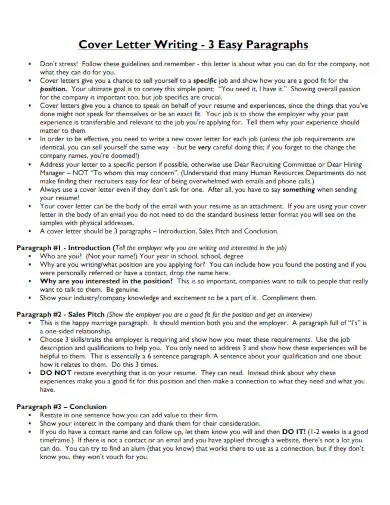
In the third paragraph, demonstrate your enthusiasm for the company and the position. Research the company and show that you understand their mission, values, and culture. Explain why you’re interested in working for them specifically. Connect your goals to the company’s goals and explain how you see yourself contributing to their success. This paragraph shows the hiring manager you’re genuinely interested in the opportunity and not just applying for any job.
The Closing Paragraph: Call to Action
In the closing paragraph, summarize your interest and reiterate your qualifications. Include a call to action, such as inviting the hiring manager to contact you for an interview. Thank the hiring manager for their time and consideration. Show confidence and express your eagerness to discuss the opportunity further. A strong call to action makes it easy for the hiring manager to take the next step.
The Closing
Use a professional closing, such as ‘Sincerely’, ‘Best regards’, or ‘Thank you’. Ensure the closing matches the tone of your letter and maintain a respectful and formal tone. Following your closing, leave space for your signature if submitting a physical copy. Otherwise, type your full name. The closing should be the final touch of professionalism in your cover letter.
Formatting Your Cover Letter for Maximum Impact

The way your cover letter looks can be as important as the words you write. Effective formatting enhances readability and makes a positive impression. Proper formatting ensures that your cover letter is easy to read and visually appealing, leaving a positive impression on the hiring manager. Proper formatting allows the reader to quickly grasp the key information and understand your qualifications. By paying attention to these details, you can create a professional-looking cover letter that stands out from the crowd.
Font Choice & Readability
Choose a professional and easy-to-read font, such as Times New Roman, Arial, Calibri, or Georgia. Keep the font size between 10 and 12 points. Use a consistent font throughout the entire cover letter. Avoid using overly decorative or unusual fonts, as they can distract the reader. Good font choices are essential for readability and make your cover letter look polished and professional. The aim is to make it easy on the eyes of the hiring manager.
Length & Structure
Keep your cover letter concise, ideally no more than one page. Use a clear and organized structure with well-defined paragraphs. Use single-spaced lines with a space between each paragraph. Left-align your text, avoiding full justification. Ensure the document is well-structured and easy to navigate. A well-structured cover letter is more effective in conveying your message. Make sure that your most important information is easily found.
Proofreading & Editing

Proofread your cover letter carefully for any errors in grammar, spelling, and punctuation. Errors can undermine your credibility and make a negative impression. Consider having someone else review your cover letter for a fresh perspective. Ensure that your language is clear, concise, and professional. Check for consistency in your tone and style. A polished, error-free cover letter shows that you pay attention to detail and take your application seriously.
Cover Letter Template & Examples
Using a cover letter template can be a great starting point, but it’s crucial to customize it to fit your specific needs and the job requirements. Various templates are available online, but ensure you adapt them to your own experiences and the specific job you are applying for. Review examples of successful cover letters to get inspiration and understand how others have approached their writing. Customization is key to showing the hiring manager that you’re genuinely interested in the position and that your skills align with their needs. Avoid using a generic template; tailor it to reflect your unique qualifications.
Common Cover Letter Mistakes to Avoid
Avoid making common mistakes that can damage your chances of getting an interview. These include sending generic cover letters that are not tailored to the specific job, using jargon or overly formal language, and making grammatical errors. Avoid overusing the word ‘I’ and focusing too much on your needs rather than the company’s. Don’t make the mistake of simply restating your resume; instead, provide context and highlight specific accomplishments. By avoiding these common pitfalls, you can create a cover letter that stands out and helps you secure an interview.
- Typos and grammatical errors
- Using a generic cover letter
- Focusing on yourself instead of the employer’s needs
- Repeating information from your resume verbatim
- Being overly formal or using jargon
- Providing irrelevant information
- Not proofreading your cover letter
- Exceeding one page in length
Sending Your Cover Letter

When sending your cover letter, pay attention to the format and presentation. If submitting your application online, save your cover letter as a PDF to preserve its formatting. Name the file with your name and the job title (e.g., ‘JohnDoe_CoverLetter_MarketingManager’). Double-check the email address you’re sending it to and ensure that your email subject line is clear and professional. Consider personalizing your email to the hiring manager, if you have their contact information. Ensure that your cover letter and resume are submitted together to complete the application.
Following Up
After submitting your cover letter and resume, it’s appropriate to follow up with the hiring manager. Send a brief and polite email a week or two after the application deadline, or as indicated in the job posting. In your follow-up, reiterate your interest in the position and mention anything specific you discussed in your cover letter. Keep it concise and professional, and thank the hiring manager for their time and consideration. Following up shows your continued interest and can help you stay top of mind during the hiring process. If you don’t hear back, a second follow-up is permissible, but be respectful of the hiring manager’s time.
Writing a compelling cover letter is essential for a successful job search. By following these guidelines, you can create a cover letter that showcases your skills, experience, and enthusiasm, increasing your chances of securing an interview. Remember to tailor your cover letter to each specific job, highlighting the skills and experiences most relevant to the position. Proofread carefully, and always present yourself in a professional manner. Good luck!