Why a Cover Letter Matters
In the competitive job market, a well-crafted cover letter can be the key to unlocking your dream job. For stay-at-home moms (SAHMs) returning to the workforce, a compelling cover letter is even more critical. It’s your first chance to make a positive impression and demonstrate why you’re the perfect candidate for the role. A cover letter provides context to your resume, allowing you to explain any employment gaps, highlight relevant skills, and showcase your enthusiasm for the opportunity. It’s your personal introduction, your chance to tell your story, and your opportunity to stand out from the crowd. Many employers still value cover letters because they offer insights into your personality, writing skills, and how you communicate. Ignoring the cover letter stage is akin to skipping a vital chapter in your job application journey.
Crafting a Strong Opening
The opening of your cover letter is crucial. It’s your first, and often only, chance to grab the reader’s attention. Avoid generic openings like “Dear Sir/Madam.” Instead, research the hiring manager’s name and address them directly. Start with a strong statement that immediately captures their interest. This could be a compelling statistic, a brief anecdote, or a statement of your passion for the company or the role. Clearly state the position you’re applying for and how you learned about it. Briefly mention what makes you a strong candidate. The opening should set the tone for the rest of your letter, so make it enthusiastic, professional, and tailored to the specific job. Remember, the opening should instantly tell the employer why they should keep reading.
Highlighting Relevant Skills
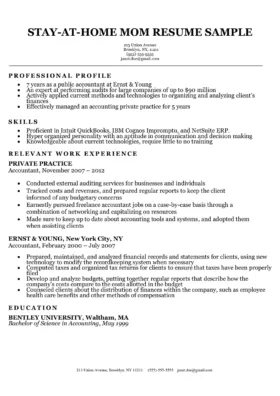
Identify the skills that are most relevant to the job you’re applying for and highlight them in your cover letter. Review the job description carefully and make a list of the key skills the employer is seeking. Then, provide specific examples of how you’ve utilized these skills in the past. For stay-at-home moms, these skills might include project management (managing household tasks), communication (interacting with children, schools, and community), organization (scheduling and planning), and problem-solving (handling unexpected situations). Tailor your examples to match the job requirements. If the job requires leadership skills, describe how you led a volunteer project. If it requires communication skills, explain how you effectively communicated with teachers and other parents. Focus on the skills that directly align with the job requirements to showcase your suitability.
Addressing the Employment Gap
One of the most important aspects of a cover letter for a stay-at-home mom is addressing the employment gap. Be honest and straightforward about your time away from the workforce. Briefly explain why you took time off (e.g., raising children, caring for family). Frame the gap positively by emphasizing what you gained during this time. This is your opportunity to showcase personal growth, new skills, and experiences. Avoid dwelling on the gap; instead, focus on what you’ve done since leaving the workforce to stay current with your skills. Mention any volunteer work, online courses, or professional development activities you’ve undertaken. Reassure the employer that your time at home has made you more capable. The key is to be upfront, positive, and proactive, showing you are ready to return to work.
Showcasing Transferable Skills
Highlight the transferable skills you’ve gained as a stay-at-home mom. These are skills developed through your experiences that are valuable in the workplace. Examples include time management, multitasking, organizational skills, communication skills, budgeting, negotiation, and problem-solving. Provide specific examples of how you’ve used these skills in your daily life. For instance, “Managed a household budget, resulting in savings of X amount,” or “Successfully coordinated and executed multiple children’s activities simultaneously, demonstrating strong multitasking abilities.” Tie these skills directly to the job requirements. Emphasize how your experience as a SAHM has equipped you with valuable attributes and capabilities. This helps to show that, despite not being in a traditional work environment, you have cultivated many sought-after abilities.
Quantifying Achievements

Whenever possible, quantify your achievements to demonstrate the impact of your skills and experience. Use numbers, percentages, and specific data to support your claims. For example, instead of saying “Managed household finances,” say “Managed a household budget, reducing monthly expenses by 15%.” If you volunteered, mention the number of hours you contributed or the number of people you served. This provides concrete evidence of your capabilities and helps the employer understand your value. Using data and quantifiable results shows that you understand the importance of measuring success and that you’re results-oriented. It’s about showing, not just telling, the value you can bring to the company. This level of detail makes your cover letter more persuasive and memorable.
Demonstrating Enthusiasm and Fit
Show your enthusiasm for the specific job and the company. Research the company thoroughly and tailor your cover letter to demonstrate that you understand their mission, values, and goals. Explain why you’re excited about the opportunity and how your skills and experience align with their needs. Mention specific projects, initiatives, or aspects of the company that resonate with you. Explain why you chose to apply to this specific company, this will help set you apart from the competition. This shows the employer that you’re genuinely interested in the role and that you’ve taken the time to learn about the company. Tailor your writing to show the hiring manager your understanding and genuine interest in the open position.
Closing with Confidence
End your cover letter with a strong and confident closing. Reiterate your interest in the position and express your confidence in your ability to contribute to the company. Thank the employer for their time and consideration. Include a clear call to action, such as stating that you look forward to hearing from them soon or that you are available for an interview at their earliest convenience. Proofread your cover letter one final time to ensure there are no typos or grammatical errors. A polished and professional closing leaves a lasting positive impression. Ensure the closing reflects your personality and enthusiasm for the role.
Cover Letter Formatting Tips

Use a professional format that is easy to read. Stick to a standard font like Times New Roman, Arial, or Calibri, with a font size between 11 and 12 points. Use clear headings, subheadings, and bullet points to break up the text and make it easier to scan. Keep your cover letter concise, ideally no more than one page. Proofread meticulously for any errors in grammar, spelling, and punctuation. Ensure your contact information (name, phone number, email) is clearly displayed at the top of the letter. Before sending it, save your cover letter as a PDF to preserve the formatting. Make sure your cover letter complements your resume and highlights your key strengths and qualifications. These details make the cover letter appear more professional and enhance your chances of getting noticed by the hiring manager.