Cover Letter Basics Know the Essentials
A well-crafted cover letter is your first impression on a potential employer, serving as a crucial introduction that can significantly boost your chances of landing an interview. It’s more than just a formality; it’s a strategic tool to showcase your personality, skills, and enthusiasm for the role. Unlike a resume, which is a factual summary of your work history, a cover letter allows you to provide context, elaborate on your experiences, and demonstrate how your qualifications align with the specific requirements of the job. By carefully constructing a cover letter, you can make a compelling case for why you’re the ideal candidate and set yourself apart from the competition. Mastering the art of cover letter writing is an investment in your job search success.
Understanding the Purpose of a Cover Letter
The primary purpose of a cover letter is to introduce yourself to a potential employer and to express your interest in a specific job opening. It provides a platform to explain why you are a good fit for the position and the company. A cover letter is not merely a repetition of your resume; it is an opportunity to expand on your qualifications and demonstrate how your skills and experience align with the company’s needs. It’s your chance to make a personal connection, communicate your enthusiasm for the role, and persuade the hiring manager to review your resume. Essentially, the cover letter’s goal is to secure you an interview.
Key Components of a Cover Letter

A well-structured cover letter typically includes several key components that work together to create a compelling narrative. These elements are essential for conveying your message effectively and leaving a positive impression. Understanding these parts and how they interact is crucial for crafting a cover letter that grabs attention. Each section should be carefully considered to present a cohesive and persuasive argument. The best cover letters are tailored, personalized, and specific to the job requirements.
Header and Contact Information
Your header should include your full name, address, phone number, and email address. This information should be at the top of the document, easily visible, and aligned to the left or right. Make sure the contact details are up-to-date and professional. It’s best practice to use a professional-sounding email address. If you have a LinkedIn profile, include the URL. The header ensures that the hiring manager can easily reach you if they decide to move forward with your application, representing the first details a recruiter would look at.
Salutation and Opening Paragraph
Start with a professional salutation, such as “Dear Mr./Ms./Mx. [Last Name],” if you know the hiring manager’s name. If not, “Dear Hiring Manager” is acceptable. The opening paragraph should state the position you’re applying for and where you found the job posting. Briefly mention why you’re interested in the role and the company. This sets the tone for the entire letter and quickly grabs the reader’s attention. It’s your first chance to make a strong impression, so keep it concise and engaging.
Body Paragraphs Highlighting Skills and Experience

The body of your cover letter is where you showcase your skills and experience. Provide specific examples of how your qualifications match the job requirements. Use the job description as a guide and tailor your letter to highlight the relevant skills. Quantify your accomplishments whenever possible. Use action verbs and focus on what you have achieved in previous roles. Show how you’ve made a difference in past positions and how you can contribute to the company’s success. Structure the content in a clear and easy-to-read format that helps the reader.
Closing Paragraph and Call to Action
In your closing paragraph, reiterate your interest in the position and thank the hiring manager for their time and consideration. Include a call to action, such as requesting an interview. Express your enthusiasm for the opportunity and your eagerness to discuss how you can contribute to the company’s goals. Close professionally with a formal closing, such as “Sincerely” or “Best regards,” followed by your name. Make sure the call to action is clear, and the ending is polished.
Formatting Your Cover Letter
Formatting is a critical aspect of a cover letter that affects readability and professionalism. Poor formatting can distract from the content and make your application less effective. Good formatting ensures your letter looks polished and professional, making a positive impression on the hiring manager. Correct formatting also ensures the document is easy to read, which improves the reader’s experience.
Choosing the Right Font and Font Size

Choose a professional and easy-to-read font like Times New Roman, Arial, or Calibri. The font size should be between 10 and 12 points for optimal readability. Avoid overly stylized or unusual fonts, as they can make your letter look unprofessional. Stick to standard fonts to enhance readability. Consistency in font and size throughout the document is critical for a polished look. Ensure your font choice conveys professionalism and is easy on the eyes for the hiring manager.
Proper Margins and Spacing
Use standard margins of 1 inch on all sides of the document. Double-space between paragraphs for better readability, making the text less dense and easier to scan. Use single-spacing within paragraphs. Proper spacing helps the hiring manager easily read the content without strain. Consistent margins and spacing enhance the professional appearance and improve the overall presentation, which leads to better overall impression. Adequate spacing keeps the information clear and accessible.
Proofreading and Editing
Proofread your cover letter carefully for any typos, grammatical errors, and inconsistencies. Ask someone else to review your letter as well; a fresh pair of eyes can catch mistakes you might miss. Ensure the language is clear, concise, and free of jargon. Correct grammar and spelling errors show attention to detail and professionalism. Proofreading is an essential step in ensuring your cover letter makes a positive impression and helps to get an interview.
Tailoring Your Cover Letter

Tailoring your cover letter to each job application is essential for demonstrating your genuine interest and suitability for the role. A generic cover letter is easily recognizable and can lead to your application being overlooked. By customizing your letter, you show the hiring manager that you’ve taken the time to understand the specific requirements of the job and the values of the company. This increases your chances of making a strong connection and advancing in the application process. Personalized cover letters are a smart strategy to make a positive impact on a potential employer.
Researching the Company and the Role
Before writing your cover letter, research the company and the specific role you’re applying for. Understand the company’s mission, values, and recent news. Review the job description carefully, paying close attention to the required skills and qualifications. Demonstrate that you understand the company’s needs and what they look for in a candidate. This research will help you tailor your cover letter to highlight the most relevant aspects of your experience and show the employer that you’re a great fit. Your level of knowledge will showcase your level of interest.
Matching Your Skills to the Job Description
Carefully review the job description and identify the key skills and qualifications the employer is seeking. Then, in your cover letter, highlight how your skills and experiences align with those requirements. Provide specific examples of how you have used those skills in the past and the results you achieved. Use the same keywords and phrases from the job description to make it easy for the hiring manager to see the connection. This targeted approach helps demonstrate that you are well-suited for the role and makes it clear that you are a strong candidate.
Using Keywords Effectively

Incorporate relevant keywords from the job description throughout your cover letter. Keywords help applicant tracking systems (ATS) and hiring managers quickly identify if you possess the necessary qualifications. Do not stuff your letter with keywords, but instead, weave them naturally into your sentences. Focus on using keywords in a context that demonstrates your skills and experience. By incorporating relevant keywords, you improve your chances of getting noticed and ensure that your letter is effectively communicating your qualifications.
Cover Letter Examples to Inspire You
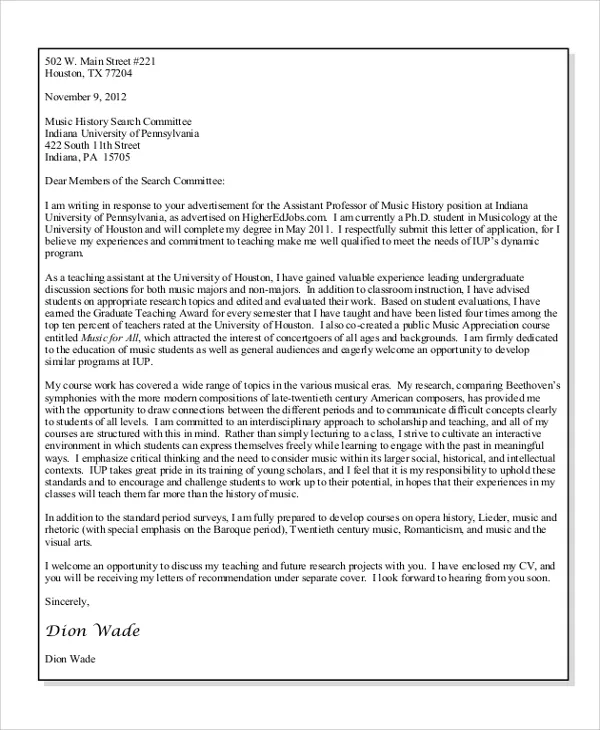
Reviewing cover letter examples can provide inspiration and help you understand how to structure your own letter. There is a large array of diverse examples, showcasing different formats, styles, and approaches. Use these examples as a guide, but always tailor your cover letter to reflect your unique skills and experience and the specific job requirements. Adapt the examples to fit your personal experience to create a compelling narrative.
Example Cover Letter 1 Entry-Level Position
An entry-level cover letter should emphasize any relevant coursework, internships, or volunteer experiences. Highlight your enthusiasm and willingness to learn. Focus on transferable skills and your eagerness to contribute to the company. Include examples that demonstrate your work ethic and your ability to learn new skills quickly. A well-crafted letter can make a strong impression on an entry-level applicant, especially if the candidate has limited work experience.
Example Cover Letter 2 Experienced Professional

An experienced professional’s cover letter should highlight your accomplishments and quantify your results. Focus on the specific skills and experience that align with the job requirements. Show how you have added value to previous employers, and provide data to support your claims. Demonstrate your leadership abilities and your ability to contribute to the company’s success. Your letter should showcase a proven track record.
Example Cover Letter 3 Career Change
If you’re changing careers, your cover letter should focus on transferable skills and explain why you’re making the transition. Highlight any relevant skills and experience from your previous roles. Demonstrate your enthusiasm for the new field and explain how your skills can benefit the company. Show your willingness to learn and adapt. Your cover letter is your story for this career change.
Common Cover Letter Mistakes to Avoid
Avoiding common mistakes can significantly improve the effectiveness of your cover letter. These errors can immediately damage your chances of getting an interview. Being aware of these pitfalls and actively avoiding them is vital. By paying attention to detail and focusing on quality, you can make your cover letter stand out. It is important to make a good first impression.
Generic and Vague Language
Avoid using generic phrases or vague language in your cover letter. Use specific examples and quantify your accomplishments whenever possible. Generic language does not show the reader your experience and can make your cover letter feel impersonal. Be precise and provide concrete evidence of your skills and experience. Specific examples will prove that you have the qualifications that are needed and prove you are a great candidate.
Typos and Grammatical Errors
Typos and grammatical errors can make your cover letter look unprofessional and can lead to immediate rejection. Proofread your cover letter carefully before submitting it. Ask someone else to review it for you as well. Ensure your language is clear, concise, and error-free. A polished cover letter shows attention to detail and respect for the hiring manager’s time.
Focusing on Yourself Too Much
While it’s essential to highlight your skills and experience, avoid making your cover letter too self-focused. Instead, focus on how you can contribute to the company and the value you can bring. Explain how your skills and experience align with the company’s needs and goals. Make it clear that you understand what the company is looking for in a candidate. Focus on the reader and what you can do for the company.
Ignoring the Company’s Needs
Failing to address the company’s needs is a common mistake. Research the company and the role, and tailor your cover letter to address the specific requirements. Show the hiring manager that you understand the company’s needs and how your skills and experience can help them achieve their goals. Demonstrating an understanding of the company is very important.
Tips for Writing a Strong Cover Letter
To create a cover letter that stands out, you should implement strategies that demonstrate your qualifications. A well-crafted cover letter is a powerful tool in your job search. Combining the key components with strong writing techniques will enable you to captivate the hiring manager and get your foot in the door. Remember that every detail matters.
Show, Don’t Tell
Instead of simply stating your skills, provide concrete examples of how you’ve used them. Use action verbs and describe specific situations where you’ve demonstrated your abilities. Quantify your accomplishments whenever possible to provide measurable results. Showing, rather than telling, makes your cover letter more compelling and memorable.
Highlighting Accomplishments
Focus on your accomplishments rather than just listing your job responsibilities. Use the STAR method (Situation, Task, Action, Result) to structure your examples. Highlight your achievements and the positive impact you’ve made in previous roles. Show the hiring manager the value you can bring to the company. Your accomplishments will set you apart from the rest of the applicants.
Demonstrating Enthusiasm
Show your enthusiasm for the role and the company throughout your cover letter. Express your interest in the company’s mission and values. Explain why you’re excited about the opportunity and what motivates you to work there. A sincere expression of enthusiasm can make your cover letter more appealing and memorable.
The Final Touches
Before submitting your cover letter, take the time to review and edit it. Make sure your language is professional and free of errors. Customize your letter to the specific job and company. A well-crafted cover letter is a valuable tool to help you get an interview and secure your dream job. By following these guidelines, you can make a positive impact on hiring managers.