Why Cover Letters Matter
In the competitive landscape of job applications, a well-crafted cover letter can be your secret weapon. Many candidates underestimate the power of a cover letter, often treating it as a mere formality. However, it serves as a crucial introduction to your resume, providing an opportunity to showcase your personality, passion, and specific qualifications in a way that a resume alone cannot. Cover letters enable you to contextualize your experiences, explaining how your skills align with the job requirements and why you are the ideal candidate. They demonstrate your communication skills, attention to detail, and genuine interest in the opportunity. Recruiters and hiring managers often scrutinize cover letters to assess a candidate’s fit for the company culture and the role’s specific demands. A compelling cover letter significantly increases your chances of securing an interview, making it an indispensable part of your job application strategy. This document is a direct line to the hiring manager, and how you present yourself matters.
What is the purpose of cover letter
The primary purpose of a cover letter is to introduce you to a potential employer and highlight your suitability for a specific job. Unlike a resume, which provides a factual overview of your work history and skills, a cover letter allows you to elaborate on your experiences and express your enthusiasm for the role. It serves as your personal marketing tool, enabling you to tell your story and make a memorable impression. The cover letter’s aim is to persuade the hiring manager to read your resume with interest, ultimately leading to an interview invitation. It gives you the chance to explain any gaps in your employment history, address specific requirements mentioned in the job description, and demonstrate your understanding of the company’s mission and values. Additionally, a cover letter provides an opportunity to show your writing skills, attention to detail, and professionalism, all of which are important indicators of your ability to communicate effectively in a workplace setting. It’s a chance to show, don’t just tell, why you are the best candidate.
Cover Letter Structure

A well-structured cover letter is easy to read and effectively conveys your key qualifications and enthusiasm. The standard structure includes several key sections, each serving a specific purpose. Adhering to a clear layout not only presents you as organized and professional but also helps the hiring manager quickly grasp the essence of your application. A well-structured cover letter makes a positive first impression and increases the chances of your application being considered favorably. Remember, the goal is to be clear, concise, and compelling. The structure is designed to present the most important information in a logical order, making it easy for the reader to understand your qualifications and interest in the position. A disorganized cover letter can easily be overlooked, while a well-structured one helps you stand out from the crowd.
Header Section
The header of your cover letter should include your contact information and the date, ensuring easy communication with the hiring manager. Begin by including your full name, address, phone number, and professional email address. Following this, add the date the letter is written. If you know the hiring manager’s name, include their name and title, along with the company’s address. This demonstrates that you’ve done your research and are addressing the specific person responsible for hiring. Proper formatting is crucial, and ensuring your contact information is accurate is of utmost importance. Using a professional email address adds to your credibility, so avoid using informal or unprofessional addresses. The header is your first opportunity to present yourself professionally; make sure it is well-organized and easy to read.
How to write a cover letter - Salutation
The salutation sets the tone for the entire cover letter, so it’s essential to get it right. If you know the hiring manager’s name, use a personalized greeting such as “Dear Mr. / Ms. [Last Name].” This shows that you’ve taken the time to research the company and demonstrates your attention to detail. If the hiring manager’s name is unavailable, you can use a more general greeting like “Dear Hiring Manager” or “Dear [Department Name] Team.” Avoid generic greetings like “To Whom It May Concern,” as they can come across as impersonal. Always double-check the spelling of the hiring manager’s name, and ensure you use the correct title (Mr., Ms., Dr., etc.). A well-crafted salutation immediately grabs the reader’s attention and indicates that you have a genuine interest in the role and the company.
Body Section

The body of your cover letter is where you truly shine, showcasing your skills, experiences, and enthusiasm for the job. It should be divided into several paragraphs, each serving a specific purpose in conveying your qualifications and making a compelling case for why you are the ideal candidate. The body allows you to connect your experiences to the job description, highlighting relevant achievements and demonstrating your understanding of the company’s needs. It provides you with space to elaborate on the key requirements of the role and illustrate how your background aligns with them. Make sure to keep it concise, professional, and tailored to the specific job and company. Always tailor your cover letter to the specific job you are applying for. generic cover letters rarely leave a positive impression on recruiters or hiring managers.
First Paragraph The Hook
The first paragraph of your cover letter is your hook, designed to capture the reader’s attention and immediately convey your interest in the position. Start by mentioning the specific job you are applying for and where you saw the listing. Briefly state why you are excited about the opportunity and what motivates you to apply. Avoid generic opening lines and instead, try to include a sentence or two that shows you’ve done your research about the company and understand their mission or values. Highlight your most relevant skill or achievement to immediately grab the hiring manager’s interest. The goal is to create a strong first impression and encourage them to read the rest of your letter. Remember to keep it concise, enthusiastic, and tailored to the specific job requirements.
Second Paragraph Showcase your Skills
The second paragraph is your opportunity to showcase your skills and experiences, aligning them with the requirements outlined in the job description. Focus on the most relevant aspects of your background, providing specific examples that demonstrate your abilities and achievements. Use the STAR method (Situation, Task, Action, Result) to structure your examples, providing context, explaining your role, detailing your actions, and highlighting the positive outcomes. Quantify your achievements whenever possible to make your impact more concrete. For example, instead of saying “Improved customer satisfaction,” you could write “Increased customer satisfaction by 15% through implementing a new feedback system.” Tailor your examples to the specific needs of the role and the company, showing how your skills will contribute to their success.
Third Paragraph Call to Action

The third paragraph should reiterate your interest in the position and provide a clear call to action. Summarize your key qualifications and re-emphasize why you are the ideal candidate. Express your enthusiasm for the opportunity and your eagerness to contribute to the company’s success. Indicate your availability for an interview and how you can be reached. Thank the hiring manager for their time and consideration, and express your anticipation for a positive response. Avoid being overly aggressive or demanding. Instead, maintain a professional and confident tone, demonstrating that you are proactive and eager to take the next step in the hiring process. This paragraph is the final chance to leave a lasting positive impression on the hiring manager.
Closing Section
The closing section of your cover letter includes your complimentary close and signature, adding a final touch of professionalism. Use a standard and appropriate closing, such as “Sincerely,” “Best regards,” or “Yours sincerely.” Avoid informal closings like “Thanks” or “Cheers.” Ensure that your signature is properly aligned and neatly formatted. Include your typed name beneath your signature. Review the entire cover letter to ensure all information is accurate and that your closing section is consistent with the overall tone of the letter. The closing section should leave a professional and positive impression on the reader. Properly formatted closings help to convey professionalism and make sure the cover letter ends on a strong note. A well-crafted closing section complements the rest of your cover letter.
How to write a cover letter - Complimentary Close
The complimentary close is the final expression of courtesy in your cover letter, providing a professional ending to your communication. Select a closing that matches the tone and formality of your letter. Common choices include “Sincerely,” “Best regards,” “Yours sincerely,” or “Respectfully.” Choose the option that best suits your personality and the company’s culture. Avoid using casual closings like “Thanks,” “Cheers,” or “Best.” After the closing, leave a few lines for your signature if you are sending a physical copy or simply type your name below the closing if submitting digitally. Make sure the spelling of the closing is correct, and ensure it complements the overall professional tone of your cover letter. The complimentary close is your last opportunity to convey professionalism and respect.
Formatting and Design of Cover Letter

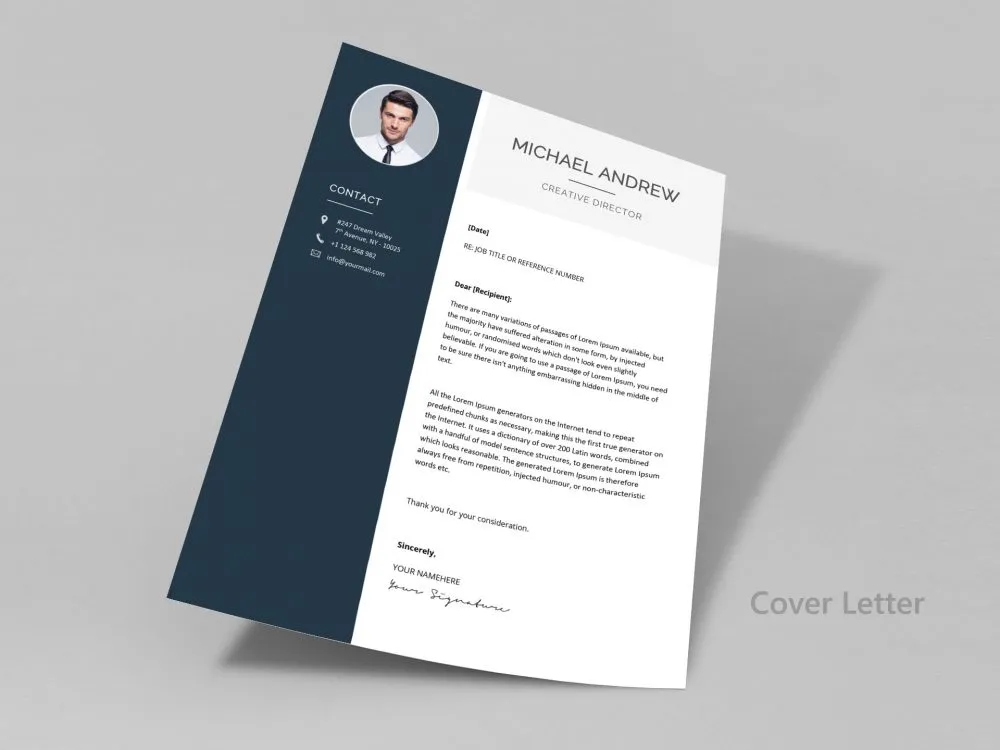
The formatting and design of your cover letter play a crucial role in its overall presentation and readability. Choose a clean, professional font like Times New Roman, Arial, or Calibri, with a font size of 11 or 12 points. Maintain consistent formatting throughout the document, including font style, size, and spacing. Use clear margins and spacing between paragraphs to improve readability. Avoid using overly decorative fonts or excessive formatting, which can distract from the content. Keep your cover letter concise and typically limit it to one page. Use bullet points sparingly to highlight key achievements or skills. Ensure your cover letter is free from grammatical errors, typos, and inconsistencies in formatting, always proofreading and editing your work meticulously. Proper formatting demonstrates attention to detail and helps create a professional image.
Proofread and Edit
Proofreading and editing are crucial steps in ensuring your cover letter is polished, professional, and free from errors. After you have completed writing your cover letter, review it carefully for any typos, grammatical errors, or inconsistencies in formatting. Use a grammar and spell-checking tool to assist in identifying and correcting errors. Read the cover letter aloud to catch any awkward phrasing or unclear sentences. Ask a friend, family member, or career advisor to review your cover letter for a fresh perspective. Ensure that all your contact information is accurate and up-to-date. Proofreading helps improve your cover letter’s professionalism, highlighting attention to detail, and demonstrating a commitment to accuracy. A well-proofread cover letter makes a positive impression and increases your credibility. A poorly proofread cover letter can reflect negatively on your attention to detail and professionalism. Always double-check the spelling of names, titles, and company names.
Cover Letter Mistakes to Avoid
Avoiding common cover letter mistakes is vital for making a positive impression on potential employers. One significant mistake is using a generic cover letter for every job application. Cover letters should be tailored to each specific job and company. Another mistake is neglecting to proofread your letter, as typos and grammatical errors detract from your professionalism. Avoid simply restating your resume; instead, provide additional information and elaborate on your experiences. Don’t be overly wordy or use jargon that the hiring manager may not understand. Avoid negative language and instead focus on your strengths and qualifications. Don’t send a cover letter that is too long. The ideal length is one page. By avoiding these common pitfalls, you’ll be more likely to create a compelling cover letter that helps you stand out from the competition.