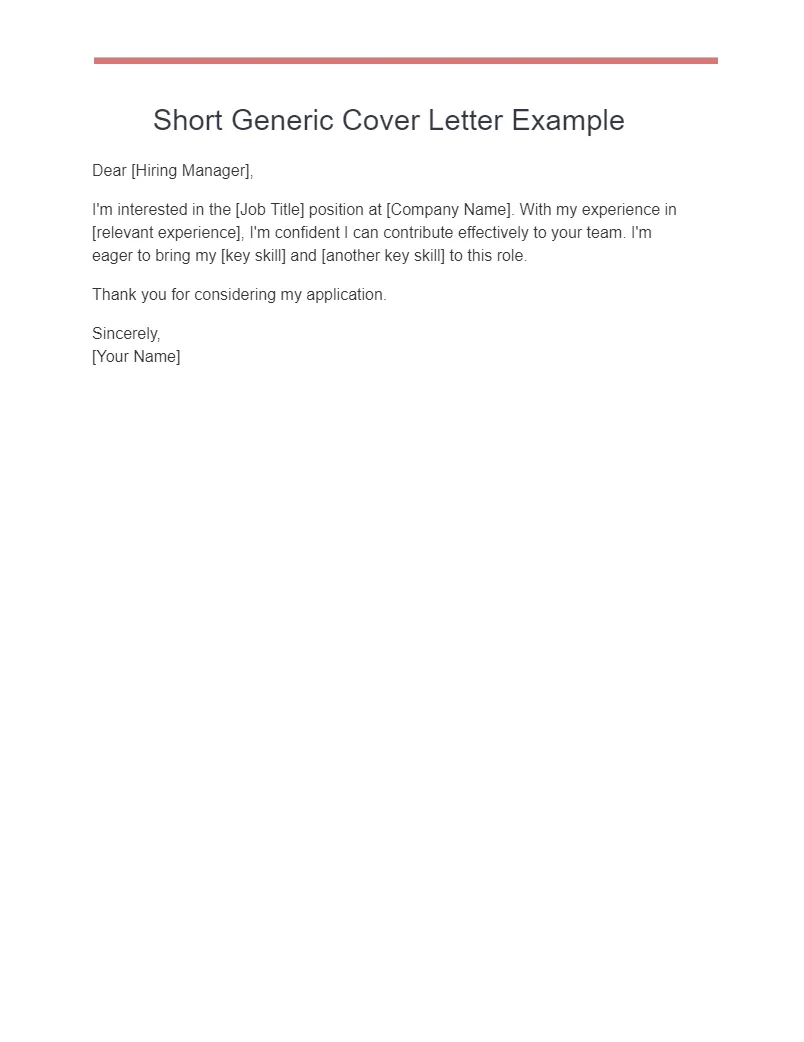
What is a Cover Letter?
A cover letter is a crucial document that accompanies your resume when applying for a job. It serves as your introduction to a potential employer, providing a more detailed explanation of your qualifications and interest in the position. Unlike a resume, which presents a concise summary of your skills and experience, a cover letter allows you to elaborate on specific achievements, explain why you’re a good fit for the company, and express your enthusiasm for the role. Think of it as your personal sales pitch, designed to grab the hiring manager’s attention and convince them to read your resume and consider you for an interview. A well-written cover letter is not merely a formality; it’s a strategic tool that can significantly increase your chances of landing an interview and ultimately, the job. It showcases your communication skills and demonstrates your genuine interest in the opportunity, setting you apart from other applicants who may only submit a resume.
The Purpose of a Cover Letter
The primary purpose of a cover letter is to introduce yourself to the hiring manager and highlight why you are the ideal candidate for the job. It goes beyond simply listing your qualifications; it provides a platform to connect your skills and experiences to the specific requirements of the position and the needs of the company. Cover letters allow you to demonstrate your personality, writing abilities, and enthusiasm for the role. They give you the opportunity to tell a story about your career and how your experiences have prepared you for this new opportunity. A well-crafted cover letter can also address any potential gaps in your resume, such as career changes or periods of unemployment, providing context and reassuring the employer. By clearly articulating your value proposition and explaining why you’re a great fit for the company culture, the cover letter significantly increases your chances of being selected for an interview, as it gives recruiters a more holistic view of your profile.
Key Components of a Winning Cover Letter

A winning cover letter consists of several key components that work together to create a compelling narrative. These elements include a strong header with your contact information, a professional greeting, a well-structured body that highlights your skills and experience, and a concise closing. The header typically includes your name, address, phone number, and email address, ensuring the employer can easily contact you. The greeting should address the hiring manager by name, if possible, showing that you’ve researched the company and the specific role. The body of the letter should be divided into a few paragraphs, starting with a compelling introduction that grabs the reader’s attention. The middle paragraphs should showcase your relevant skills and accomplishments, providing specific examples that demonstrate your ability to succeed in the role. The closing should reiterate your interest in the position and encourage the employer to contact you for an interview. Proofreading and formatting are also critical aspects. A well-formatted letter, free of grammatical errors, demonstrates professionalism and attention to detail.
Header of Your Cover Letter
The header of your cover letter is the first thing a hiring manager sees, and it sets the tone for the rest of your application. It should be clear, concise, and professional, providing the necessary contact information to allow the employer to easily reach you. The header should include your full name, making sure it is consistent with the name on your resume. Directly below your name, include your address, including the street, city, state, and zip code. Next, provide your phone number, which should be a reliable number where you can be easily reached. Following your phone number, include your professional email address. Ensure that the email address is appropriate and reflects well on your professionalism. The header is more than just a formality; it is a critical element of your cover letter that conveys your attention to detail and professionalism from the very beginning. Avoid using a font that is hard to read, and keep the layout clean and easy to scan.
Your Contact Information
Your contact information within the header should be current and accurate. Double-check every detail before submitting your cover letter. Mistakes in your contact information could lead to missed opportunities. Ensure that your email address is professional and reflects your name. Avoid using informal or unprofessional email addresses. Your phone number should be one that you regularly check and can answer promptly. Consider including a professional-looking LinkedIn profile URL if you have one. This allows the hiring manager to easily access more information about your background and experience. Make sure all the information is neatly organized, easy to read, and uses a consistent font to maintain a professional appearance. Reviewing the header before submitting your application demonstrates your attention to detail and commitment to providing accurate and easily accessible contact information.
Date and Recipient Information

Immediately following your header, include the date on which you are submitting the cover letter. This date should be formatted in a standard way. After the date, include the recipient’s information. This typically includes the hiring manager’s name (if known), their title, the company name, and the company’s address. Addressing the hiring manager by name, if possible, shows that you have taken the time to research the company and the specific role. If you are unsure of the hiring manager’s name, you can research the company’s website, LinkedIn, or contact the company’s HR department. If you still cannot find a specific name, use a general greeting such as “Dear Hiring Manager.” This demonstrates your initiative in attempting to personalize your cover letter. Always make sure to double-check the recipient’s information for accuracy. Errors in this section can give a negative impression and may show a lack of attention to detail, which is crucial in most professional environments.
Professional Greeting
The greeting in your cover letter sets the tone for your entire application. It is your first opportunity to make a positive impression on the hiring manager. Start with a formal greeting, such as “Dear Mr./Ms./Mx. [Last Name].” Using the hiring manager’s name demonstrates that you have taken the time to research and personalize your cover letter. If you cannot find a specific name, use a generic greeting like “Dear Hiring Manager” or “Dear [Department Name] Hiring Team.” Avoid using overly casual greetings, such as “Hi there” or “Hello,” as these can seem unprofessional in a formal application. Always spell the recipient’s name correctly; a misspelling can create a negative first impression. Your goal is to show that you value the opportunity and that you have taken the time to tailor your application to this specific role. The professional greeting is your chance to establish a positive rapport from the start, indicating your respect for the company and the hiring process.
Body of Your Cover Letter
The body of your cover letter is the core of your application. This section should be structured into several paragraphs, each serving a specific purpose. Your first paragraph should be a strong introduction, immediately grabbing the reader’s attention and stating the position you’re applying for and how you learned about it. The following paragraphs should showcase your relevant skills and experience, providing specific examples that demonstrate your qualifications and accomplishments. This is where you provide evidence of how you meet the job requirements and how you can contribute to the company’s success. Make sure to align your skills and experiences with the job description. Avoid simply repeating your resume; instead, expand on the key points and explain how your achievements align with the job’s needs. Include quantifiable results whenever possible to demonstrate the impact of your contributions. Be sure to maintain a clear and concise writing style. Use active voice and avoid jargon. The body is your opportunity to illustrate your value and convince the hiring manager that you are the perfect fit.
First Paragraph Make a Strong Opening

The first paragraph of your cover letter is your chance to make a strong first impression. It should immediately capture the hiring manager’s attention and clearly state the position you are applying for. Start with a concise and compelling statement that expresses your interest in the role and how you learned about the opportunity. Mentioning the specific job title and where you found the listing shows you have carefully considered the role. Briefly explain why you are interested in the company or the specific position, demonstrating genuine enthusiasm. Consider using a “hook” to grab the reader’s attention. For example, if you’ve achieved a remarkable result in a similar role, you can briefly mention it to show your potential. This opening paragraph sets the stage for the rest of the letter. It establishes your professional intent and gives the hiring manager a reason to continue reading. A well-crafted first paragraph is crucial. It demonstrates your ability to communicate your value proposition, which encourages the hiring manager to delve deeper into your qualifications.
Second Paragraph Showcase Your Skills
The second paragraph is where you should highlight your relevant skills and experiences that align with the job requirements. Review the job description carefully and identify the key skills and qualifications the employer is seeking. For each skill, provide a specific example or achievement that demonstrates your ability. This helps the hiring manager to understand how your past experiences translate to the current role. Instead of simply listing your skills, offer concrete examples. Use the STAR method (Situation, Task, Action, Result) to structure your examples. Describe the situation you were in, the task you were assigned, the action you took, and the positive result you achieved. Quantify your accomplishments whenever possible. Include numbers or data to showcase the impact of your work. This approach provides concrete evidence of your abilities and demonstrates your value to the company. Be sure to tailor your examples to the specific job. Show the hiring manager how your skills directly meet the requirements of the position.
Third Paragraph Demonstrate Your Passion
In the third paragraph, demonstrate your genuine interest in the company and the specific role. Explain why you are enthusiastic about working there and how your personal and professional values align with the company’s mission and culture. Research the company before writing this paragraph. Understand its goals, values, and recent achievements. This allows you to speak authentically about why you are excited about the opportunity. Connect your skills and experience to the company’s needs. Explain how your contributions can help the company achieve its goals. Show your understanding of the industry and the company’s position in it. This indicates that you are serious about the opportunity and have taken the time to conduct thorough research. Express your passion in a genuine way. Avoid using generic statements or clichés. Highlight your unique qualities and why you are a great fit for the team. Demonstrating your enthusiasm can be a significant differentiator, setting you apart from other candidates and leaving a lasting impression on the hiring manager.
Fourth Paragraph Call to Action

Your final paragraph in the body of your cover letter should include a clear and confident call to action. This is where you explicitly state your interest in an interview and how you can contribute to the company’s success. Reiterate your enthusiasm for the position and express your strong desire to discuss your qualifications further. Provide specific contact information, such as your phone number or email address, to make it easy for the hiring manager to get in touch with you. Thank the hiring manager for their time and consideration. Avoid using passive language, such as “I would like to be considered for this position.” Instead, use active language, such as “I am eager to discuss how I can contribute to your team.” Offer to provide any additional information needed. Show your willingness to go the extra mile. A strong call to action encourages the hiring manager to take the next step in the hiring process, leading to an interview. This can increase your chances of securing the role.
Closing of Your Cover Letter
The closing of your cover letter provides a final opportunity to reiterate your interest, express gratitude, and ensure a professional and lasting impression. It should be concise, polite, and convey your enthusiasm for the opportunity. Begin by restating your interest in the position and your appreciation for the hiring manager’s consideration. This helps reinforce your eagerness and demonstrates your respect for their time. After thanking them, you can express your availability for an interview and mention how they can contact you. Conclude by expressing your anticipation of hearing back from them soon. Keeping your closing brief and focused will ensure you leave a lasting impression of professionalism. It shows that you are eager to move forward in the hiring process and look forward to the next steps. A well-crafted closing can significantly impact the recruiter’s perception of you, solidifying your candidacy and increasing your chances of being considered for an interview.
Professional Closing
The professional closing of your cover letter should be formal and appropriate for the situation. Choose a closing that reflects your professionalism and respect for the reader. Common closings include “Sincerely,” “Best regards,” “Kind regards,” or “Thank you.” Make sure to choose the closing that is most appropriate for the company culture and the relationship you have with the recipient. Keep the closing concise and direct. After your closing, leave a few lines for your signature. If you are submitting a digital cover letter, you may include a digital signature or simply type your name. The professional closing should be followed by your typed name, ensuring that the hiring manager can easily identify you. Avoid using informal closings, such as “Cheers” or “Best,” as they might not be appropriate for a formal job application. The professional closing should be the final statement that you make, leaving a lasting positive impression that adds to your credibility.
Your Typed Name and Signature

After the professional closing, include your typed name. This is a standard practice, especially when submitting your cover letter electronically. Leave a few lines after your closing for your signature if you are printing the letter. If submitting a digital copy, your typed name serves as your signature. Ensure your name is typed clearly and legibly, making it easy for the hiring manager to identify you. Before you submit, check that your name matches the name on your resume. This consistency helps the hiring manager connect your application to your resume, making it easier to process your information. A well-placed and correctly formatted typed name reinforces your professionalism and attention to detail. It ensures your application looks complete and shows that you have followed all of the steps required.
Proofreading and Formatting
Proofreading and formatting are critical steps in ensuring your cover letter is polished and professional. Before submitting your cover letter, carefully proofread it to eliminate any grammatical errors, spelling mistakes, and typos. Errors in your cover letter can create a negative impression, indicating a lack of attention to detail. Use a grammar checker to assist you, but always review the suggestions yourself, as automated tools can sometimes make errors. Also, carefully review the format to ensure that it is easy to read and visually appealing. Choose a clear, easy-to-read font and maintain a consistent font size throughout the document. Use proper spacing between paragraphs and sections to improve readability. Review the layout for consistency, ensuring that all the elements are aligned correctly. A well-formatted cover letter demonstrates that you care about the details and have invested time in creating a high-quality application. Make sure your cover letter is free of errors and properly formatted before submitting your application.
Tips for Different Job Types
Your cover letter should be tailored to the specific job you are applying for and the type of role you are seeking. Consider the specific requirements of the job and tailor your letter to highlight relevant skills and experiences. The approach you take might vary depending on the level of experience you have and the industry in which you are seeking employment. A cover letter designed for an entry-level position will differ from one for an experienced professional. Be sure to adjust your approach. Highlighting your accomplishments, enthusiasm, and specific skills will have a greater impact. Consider some key differences, such as the emphasis on specific skills. Tailoring your cover letter based on job type demonstrates your professionalism and suitability for the role. It also shows that you have taken the time to understand the needs of the hiring manager and are capable of meeting those needs.
Entry-Level Positions

When applying for entry-level positions, the focus of your cover letter should be on your transferable skills, educational achievements, and eagerness to learn. If you have limited work experience, highlight skills gained through internships, volunteer work, or extracurricular activities. This is an opportunity to showcase your potential and demonstrate your ability to learn quickly and adapt to new environments. Explain how your education has prepared you for the role and mention any relevant coursework, projects, or academic achievements. Express your enthusiasm for the opportunity and demonstrate a strong desire to contribute to the company’s success. Show that you are eager to develop your skills and grow professionally within the organization. Tailor your letter to the specific job description. Emphasize how your skills and experiences align with the company’s needs, and use positive and enthusiastic language to convey your eagerness to learn and succeed. Proofread your letter to eliminate any errors and ensure that the tone is appropriate for a professional environment.
Experienced Professionals
For experienced professionals, your cover letter should focus on your significant achievements, proven track record, and ability to make a direct impact on the company. Provide quantifiable results whenever possible. Use numbers and data to demonstrate your accomplishments and how you have contributed to previous employers’ success. Highlight your leadership skills, expertise, and any special projects or initiatives you have managed. Explain how your skills and experience align with the specific requirements of the role. Show how you can solve the company’s problems and contribute to its strategic goals. Emphasize your ability to take on more responsibility. Demonstrate your understanding of the industry and the company’s challenges. Tailor your cover letter to the specific job description and highlight the key skills and experiences the employer is seeking. Proofread your letter to eliminate any errors, and use a professional tone that reflects your experience and expertise. This approach will help you stand out from other candidates and showcase your value.
Industry-Specific Cover Letters
In certain industries, it is crucial to tailor your cover letter to meet the specific requirements and expectations of that industry. Research the industry’s standards and expectations before writing your cover letter. Use industry-specific keywords, terminology, and formatting styles. Tailor your examples and achievements to reflect the unique challenges and opportunities within the industry. For example, if you’re applying in the tech industry, highlight your technical skills and your experience with relevant technologies. If you’re applying in the creative field, showcase your portfolio and creative abilities. Demonstrate your understanding of the industry’s trends, challenges, and best practices. By tailoring your cover letter to meet the specific needs of the industry, you demonstrate that you have taken the time to understand the role and are familiar with the specific demands of that industry. This will significantly increase your chances of getting your application noticed and increasing the chance of landing an interview.