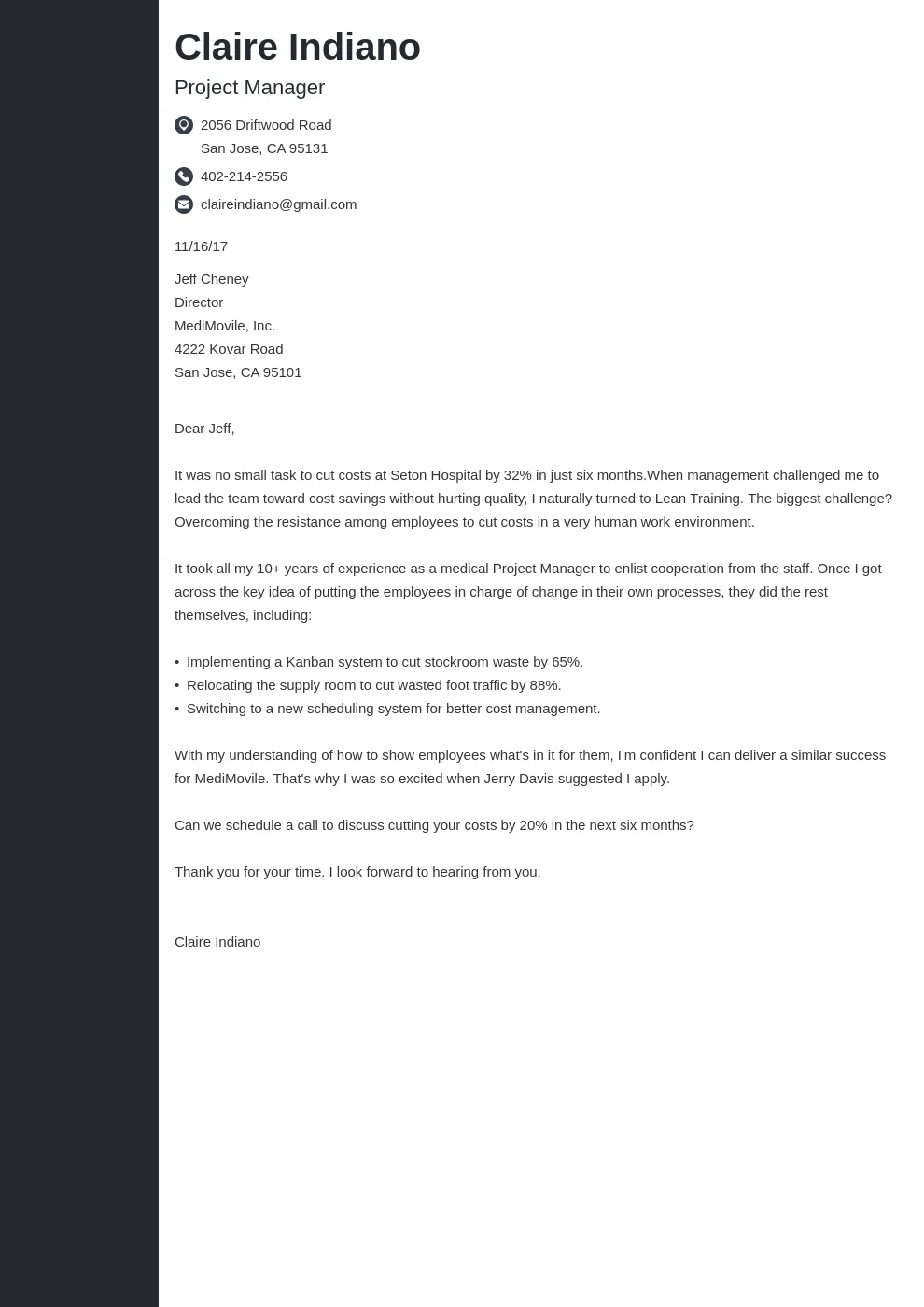
What is a Cover Letter?
A cover letter is a formal document that accompanies your resume when applying for a job. It serves as an introduction, providing an opportunity to highlight your key qualifications, skills, and experiences, and to express your interest in the specific position and the company. Think of it as your first impression on paper, allowing you to go beyond the bullet points of your resume and showcase your personality and enthusiasm. A well-written cover letter can significantly increase your chances of landing an interview by capturing the hiring manager’s attention and making them want to learn more about you.
Why is a Cover Letter Important?
In today’s competitive job market, a cover letter is more than just a formality; it’s a crucial tool for making a strong first impression. It allows you to personalize your application, demonstrating your genuine interest in the specific role and the company. It gives you the chance to tell a story, connecting your skills and experiences to the job requirements and showcasing how you can contribute to the company’s success. Moreover, a cover letter provides an opportunity to address any potential gaps or weaknesses in your resume, and to highlight your unique value proposition. A compelling cover letter can set you apart from other candidates and increase your chances of getting noticed.
Step-by-Step Guide to Writing a Cover Letter

Writing a compelling cover letter might seem daunting, but with a step-by-step approach, you can create a document that effectively showcases your skills and experiences. This guide will walk you through each stage, from researching the company to proofreading your final draft. By following these steps, you can craft a cover letter that grabs the hiring manager’s attention and highlights your value as a potential employee. Remember that each cover letter should be tailored to the specific job and company to maximize its effectiveness. Let’s begin.
Step 1 Research the Company and Job
Before you begin writing, thorough research is essential. Understand the company’s mission, values, and recent achievements. Explore the job description in detail, identifying key requirements and keywords. This information will guide your writing, enabling you to align your skills and experiences with the company’s needs and the specific job responsibilities. Visit the company’s website, read news articles, and check their social media profiles to gain insights into their culture and current projects. Tailoring your cover letter to show you’ve done your homework demonstrates your genuine interest and attention to detail.
Step 2 Craft a Strong Header
Your header sets the tone for your entire cover letter. It should include your contact information (name, phone number, email address, and optionally, your LinkedIn profile URL), the date, and the recipient’s information (name, title, and company address). If you don’t know the hiring manager’s name, research it on the company’s website or LinkedIn. Addressing the letter to a specific person adds a personal touch and shows you’ve taken the time to find out who will be reading your application. Ensure your contact information is accurate and professional.
Step 3 Write a Compelling Opening

Your opening paragraph is your chance to grab the reader’s attention. Start with a strong statement of interest, clearly stating the position you’re applying for and where you found the job posting. Briefly mention something specific that attracted you to the company or the role, showing you’ve researched and understand their needs. Avoid generic openings such as “I am writing to express my interest.” Instead, try to create an immediate connection by highlighting your relevant experience or mentioning a company project that resonates with you. The goal is to make the hiring manager want to read more.
Step 4 Highlight Relevant Skills and Experience
The body of your cover letter is where you showcase your skills and experience. Use specific examples to illustrate how your qualifications align with the job requirements. Refer back to the job description and highlight the key skills the employer is looking for. Quantify your achievements whenever possible. Instead of saying “Managed projects,” say “Managed projects, resulting in a 15% increase in efficiency.” Tailor each example to the specific role, demonstrating that you understand the requirements and have the ability to perform the job successfully. This section is about showing, not just telling.
Step 5 Showcase Your Achievements
Go beyond listing your responsibilities; focus on your achievements and the results you’ve delivered. Use the STAR method (Situation, Task, Action, Result) to structure your examples. Describe the situation you were in, the task you needed to accomplish, the actions you took, and the results you achieved. For example, “In my previous role at X Company (Situation), I was tasked with improving customer satisfaction scores (Task). I implemented a new customer feedback system and trained the team on improved communication skills (Action). As a result, customer satisfaction scores increased by 20% within six months (Result).” This approach provides concrete evidence of your capabilities.
Step 6 Explain Why You’re a Good Fit

Connect your skills and experiences to the company’s needs and culture. Show how your values align with the company’s mission and how you can contribute to their goals. Explain why you’re interested in the specific role and what excites you about the opportunity. Demonstrate that you’ve considered the company’s perspective and understand how your contributions can benefit them. This is your chance to highlight what makes you unique and why the company should choose you over other candidates.
Step 7 Express Enthusiasm and Call to Action
In your closing paragraph, reiterate your enthusiasm for the position and the company. Clearly state your interest in moving forward in the application process. Include a call to action, such as, “I am eager to discuss my qualifications further in an interview.” Thank the hiring manager for their time and consideration. Keep the tone professional and positive. Ensure your contact information is readily available for them to reach you.
Step 8 Proofread and Edit Your Cover Letter
Before submitting your cover letter, proofread it carefully for any errors in grammar, spelling, and punctuation. Errors can undermine your credibility and make a negative impression. Read the letter aloud to catch awkward phrasing or unclear sentences. Have a friend or colleague review it for a fresh perspective. Ensure the formatting is consistent and professional. A polished, error-free cover letter demonstrates your attention to detail and professionalism, increasing your chances of making a positive impact.
Formatting Your Cover Letter for Success

Formatting plays a vital role in the readability and professionalism of your cover letter. Use a standard font like Times New Roman, Arial, or Calibri, with a font size between 10 and 12 points. Maintain consistent margins (typically one inch on all sides) and use single-spacing within paragraphs and a double space between paragraphs. Use clear, concise language and avoid overly complex sentence structures. Break up large blocks of text with bullet points or short paragraphs to make it easier for the reader to scan the document. Choose a clean and professional format that is easy on the eyes.
Cover Letter Dos and Don’ts
To write an effective cover letter, there are several guidelines to follow. Do tailor your letter to each job, highlight your achievements, and showcase your personality. Use action verbs, and proofread carefully. However, avoid generic language, typos, and long paragraphs. Do not simply repeat your resume or focus on what you want without addressing the employer’s needs. Avoid being overly formal or using clichés. Always stay positive and professional in your tone and focus on what you bring to the table.
Cover Letter Examples and Templates
Utilizing cover letter examples and templates can provide a helpful starting point for your writing. Search online for various formats that suit your experience and the job you are applying for. However, remember to adapt these examples to your specific qualifications and the requirements of the role. Use them as inspiration rather than copying them verbatim. Tailoring your cover letter to the individual job is crucial, so modify the templates to reflect your unique skills and experiences and to align with the company’s specific needs. This will help you stand out from other applicants.
Tips for Tailoring Your Cover Letter

Customization is key to creating a successful cover letter. Tailor your letter by matching your skills to the keywords in the job description. Research the company and mention specific details about their products, services, or recent projects. Use the company’s name and the hiring manager’s name to show you’ve taken the time to understand their business. When possible, express how your background aligns with the company’s culture. Demonstrate that you understand what the employer wants and how you can meet those needs. Customization is the key to a compelling and memorable cover letter.
Common Mistakes to Avoid in Cover Letters
There are many common mistakes to avoid when writing a cover letter. Avoid using generic language and instead customize the letter to the specific job and company. Don’t simply repeat your resume; provide additional details and context. Steer clear of typos, grammatical errors, and formatting inconsistencies. Avoid being too casual or overly formal, and do not focus solely on what you want from the job without addressing the employer’s needs. Ensure the tone is professional and positive, and always proofread before submitting your application to avoid these common pitfalls.