Why You Need a Cover Letter
In the competitive world of job applications, a well-crafted cover letter can be your secret weapon. While a resume provides a snapshot of your skills and experience, a cover letter offers you the opportunity to tell your story, connect with the hiring manager, and demonstrate your genuine interest in the role and the company. It is a chance to go beyond the bullet points and showcase your personality, passion, and how your qualifications align with the specific needs of the job. A cover letter lets you highlight key achievements, explain any gaps in your employment history, and tailor your application to each specific position. It is also an opportunity to stand out from other candidates and make a lasting impression. Therefore, a cover letter is essential for getting noticed and securing an interview.
Cover Letter vs. Resume Difference
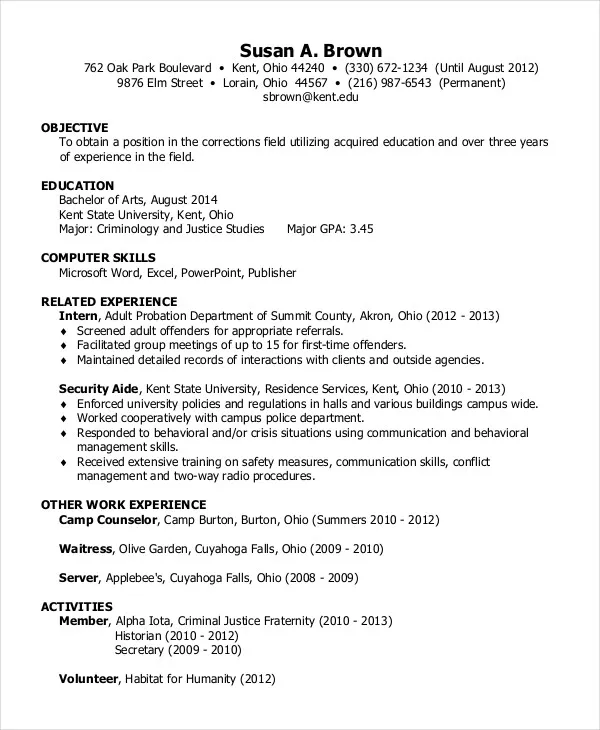
Understanding the differences between a cover letter and a resume is crucial for creating effective job application materials. The resume is a concise summary of your skills, work history, education, and accomplishments, presented in a structured format. Its primary goal is to provide a quick overview of your qualifications. On the other hand, a cover letter is a personalized document that complements your resume by expanding on your experiences, explaining your motivations, and demonstrating your fit for the specific role. It allows you to elaborate on your key achievements, provide context for your skills, and show how your goals align with the company’s objectives. The resume is a list; the cover letter is a narrative. The resume is factual; the cover letter is persuasive. While both are important, they serve distinct purposes in the job application process.
Key Components of a Winning Cover Letter

A winning cover letter consists of several key components that work together to create a compelling narrative. Each section serves a specific purpose, contributing to the overall impact of your application. A strong header provides your contact information and the date. The salutation addresses the hiring manager correctly. The opening paragraph grabs attention and states your purpose. Body paragraphs showcase your skills, highlight relevant experience, and quantify achievements, while addressing the employer’s needs. The closing paragraph includes a call to action and expresses gratitude. Each component must be carefully crafted to ensure your letter makes a positive impression.
Header Information
The header of your cover letter is the first thing the hiring manager sees, so it’s important to get it right. Include your full name, address, phone number, and professional email address. Ensure your contact information is up-to-date and easily accessible. Also, include the date and the hiring manager’s name and title if you know them. If you’re applying for a job online, make sure the header information matches the information on your resume. A well-formatted header establishes your professionalism and makes it easy for the recruiter to contact you. This information should be consistent and easy to find.
Salutation
The salutation sets the tone for your entire cover letter. The ideal salutation is to address the hiring manager by name (e.g., “Dear Mr./Ms. [Last Name]”). This shows you’ve done your research and are genuinely interested in the position. If you can’t find the hiring manager’s name, use a professional alternative such as “Dear Hiring Manager” or “Dear [Department Name] Team.” Avoid generic greetings like “To Whom It May Concern,” as they come across as impersonal. Getting the salutation right can make a great first impression and get your letter off to a strong start.
Opening Paragraph (Grab Attention)

Your opening paragraph is your chance to grab the reader’s attention and make them want to read more. Start with a strong statement that highlights your enthusiasm for the position and the company. Briefly mention the specific role you’re applying for and where you saw the job posting. Immediately convey your interest, passion, and how your skills align with the job requirements. Avoid generic opening lines; instead, tailor your opening to the specific role and company. Consider mentioning a key achievement or a unique skill that makes you stand out. A compelling opening paragraph will pique the hiring manager’s interest and encourage them to keep reading.
Body Paragraphs Showcasing Skills
The body paragraphs are where you demonstrate your skills and experience, supporting your claims with specific examples. Focus on highlighting the skills and experiences that are most relevant to the job description. Use the STAR method (Situation, Task, Action, Result) to structure your examples. Describe the situation you were in, the task you were assigned, the actions you took, and the positive results you achieved. Quantify your accomplishments whenever possible, using numbers and data to show the impact of your work. Tailor each paragraph to the specific requirements of the job, demonstrating that you’ve carefully considered the role and are well-suited for it. It’s important to show, not just tell, what makes you a strong candidate.
Highlighting Relevant Experience
Focusing on relevant experience is crucial for making your cover letter effective. Carefully review the job description and identify the key requirements and desired skills. Then, select the experiences from your work history that best align with these requirements. Provide specific examples of how you’ve demonstrated these skills in past roles. Use action verbs to describe your accomplishments and highlight your achievements. For each experience, explain the context, your role, the actions you took, and the positive outcomes you achieved. Make sure your chosen experiences are directly related to the job you’re applying for.
Quantifying Achievements

Quantifying your achievements adds credibility and impact to your cover letter. Instead of simply stating what you did, use numbers, data, and metrics to demonstrate the results of your work. For example, instead of saying “Improved customer satisfaction,” you might say “Increased customer satisfaction scores by 15% within six months.” Quantifying your achievements shows employers the tangible value you can bring to their organization. Use percentages, dollar amounts, or other measurable data to illustrate your impact. This shows that you are not only capable of performing the job but also that you can make a real difference in the company’s success.
Addressing the Employer’s Needs
A winning cover letter needs to address the employer’s needs directly. Research the company and understand their goals, challenges, and values. In your cover letter, explain how your skills and experience can help the company achieve its objectives. Tailor your language to reflect the specific needs mentioned in the job description. Provide concrete examples of how you’ve solved similar problems or achieved similar goals in the past. Show that you understand the role and that you’re the right person to meet their needs. This approach shows your genuine interest in the role and demonstrates that you are a proactive candidate who is ready to contribute.
Closing Paragraph (Call to Action)
The closing paragraph is your last opportunity to make a strong impression. Restate your interest in the position and the company. Include a clear call to action, such as expressing your availability for an interview and providing your contact information again. Avoid generic closing statements. Instead, tailor your closing to the specific job and company. Keep the closing paragraph brief, professional, and confident. End on a positive note, reinforcing your enthusiasm and your belief that you are a good fit for the role.
Expressing Gratitude

Always express your gratitude to the hiring manager for their time and consideration. Thank them for reviewing your application and for their interest in your qualifications. Showing gratitude reinforces your professionalism and leaves a positive impression. A simple statement like “Thank you for your time and consideration” is appropriate. Expressing gratitude shows that you respect their time and value the opportunity to be considered for the role. It adds a touch of courtesy to your cover letter and demonstrates your strong professional etiquette.
Proofreading and Editing
Proofreading and editing are essential steps in the cover letter writing process. Before submitting your cover letter, thoroughly review it for any errors in grammar, spelling, punctuation, and formatting. Even small mistakes can undermine your professionalism and credibility. Read your cover letter aloud to catch any awkward phrasing or unclear sentences. Ask a friend or family member to read it over and provide feedback. Carefully check your contact information, company names, and job titles to ensure accuracy. Proofreading and editing demonstrate attention to detail and can make all the difference in your job application.
Formatting Tips for Cover Letters
The formatting of your cover letter plays a crucial role in its readability and overall impact. Use a clean and professional font such as Arial, Times New Roman, or Calibri, and keep the font size between 10 and 12 points. Use standard one-inch margins on all sides. Use single-spacing for the body of your letter and double-spacing between paragraphs. Align the text to the left, and avoid justifying it. Keep your cover letter concise, ideally one page. A well-formatted cover letter is easy to read and visually appealing.
Font and Style Guidelines

Choosing the right font and style can make a significant difference in the readability and professionalism of your cover letter. Stick to standard fonts like Arial, Times New Roman, or Calibri. These fonts are easy to read and widely accepted in professional settings. Use a font size between 10 and 12 points for the body text. Avoid using decorative or overly stylized fonts. Use bolding sparingly, to highlight key points or headings. Maintain consistency in your font and style throughout the entire document to create a polished appearance. Simple, clear formatting will ensure your cover letter is easy to read.
File Format Best Practices
When saving and submitting your cover letter, use a file format that is widely compatible and preserves your formatting. The best practice is to save your cover letter as a PDF (Portable Document Format). This format ensures that your document will appear the same on any computer, regardless of the software installed. Name your file clearly, including your name and the job title (e.g., “JohnDoe_CoverLetter_MarketingAssistant.pdf”). Always follow the employer’s instructions for submitting your application. Using the correct file format ensures that your cover letter is accessible and well-presented.
Cover Letter Examples and Templates
Using cover letter examples and templates is a great way to get started and ensure your letter is well-structured and effective. There are many free templates available online, designed for various industries and job types. When using a template, customize it to fit your specific qualifications and the requirements of the job you’re applying for. Ensure that the template reflects your personal brand and style. Study various cover letter examples to gain insights into the best practices. Adapt the examples to your own experiences and tailor them to each job application.
Cover Letter Mistakes to Avoid

Avoiding common cover letter mistakes is essential for making a positive impression. These mistakes can significantly reduce the effectiveness of your application. Proofreading is the most important, checking for all grammatical errors. Tailor the cover letter for each job, making it specific to the position and company. Avoid using generic content, and refrain from keyword stuffing. Remember, the cover letter is your personal introduction, and it needs to stand out. Avoiding these mistakes will help you create a cover letter that effectively showcases your qualifications and increases your chances of getting hired.
Keyword Stuffing
Keyword stuffing, the excessive use of keywords in an attempt to get noticed by applicant tracking systems (ATS) or hiring managers, can be a big turnoff. Instead of stuffing your cover letter with keywords, focus on naturally integrating the relevant keywords into your sentences and paragraphs. Focus on describing your skills and experiences in a way that aligns with the job requirements. When using keywords, make sure that it reads well and makes sense. The goal is to create a well-written, readable cover letter that highlights your value and interest in the role.
Generic Content
Using generic content is a surefire way to make your cover letter ineffective. Avoid using generic opening or closing lines that could apply to any job. Tailor your cover letter to each job and company. Mention specific aspects of the company that appeal to you, and highlight your skills and experiences that directly match the job requirements. Generic cover letters show a lack of effort and a lack of genuine interest in the role. Demonstrating your genuine interest and effort will make your cover letter stand out.
Ignoring the Job Description

One of the biggest mistakes you can make is ignoring the job description. Always carefully read the job description to identify the key requirements and desired skills. Tailor your cover letter to address these requirements directly. Provide specific examples of how you’ve demonstrated those skills in your past roles. Highlighting the relevant requirements shows the hiring manager that you understand the role. Tailoring your cover letter to address the job description is crucial for demonstrating your interest and qualifications.
Sending the Wrong Cover Letter
Sending the wrong cover letter can be disastrous. Always double-check that you’re sending the correct cover letter for the job you’re applying for. If you have multiple cover letters, make sure you send the one that is tailored to the specific role. Sometimes, minor errors can occur, like accidentally including the wrong company name or job title. Take your time and proofread before submitting your application. Sending the wrong cover letter suggests that you are not serious about the job or that you’re applying to many jobs without much thought.