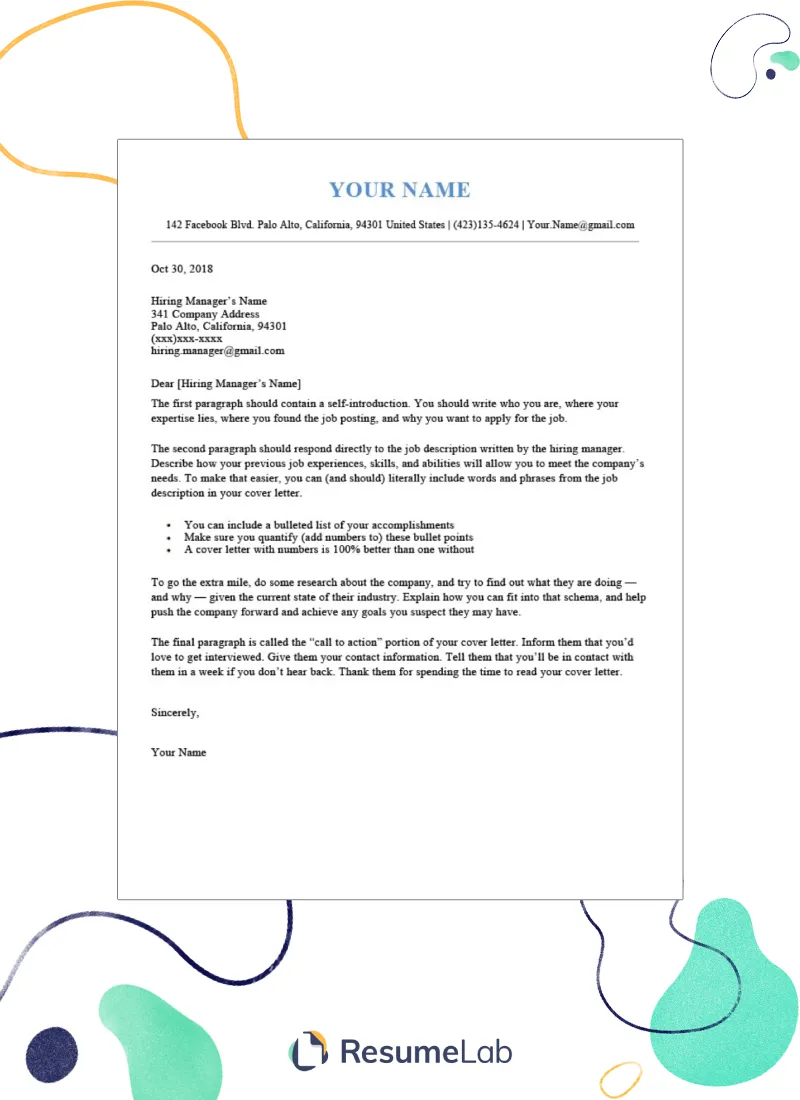
What is a Cover Letter
A cover letter is a crucial document that accompanies your resume when applying for a job. It serves as your introduction to the hiring manager and provides an opportunity to showcase your personality, skills, and enthusiasm for the position. Unlike a resume, which provides a concise overview of your qualifications, a cover letter allows you to elaborate on your experiences and explain why you are the perfect fit for the role and the company. A well-crafted cover letter can significantly increase your chances of landing an interview. It gives you a chance to tell your story and make a memorable impression.
The Purpose of a Cover Letter
The primary purpose of a cover letter is to persuade the hiring manager to read your resume and consider you for an interview. It’s your chance to highlight the specific skills and experiences that align with the job requirements and to demonstrate your genuine interest in the company and the role. A cover letter should clearly articulate your career goals and how the position fits into your professional aspirations. It is a tool to connect with the recruiter or hiring manager on a more personal level, expressing your enthusiasm and making a case for why you are the best candidate.
Why is a Cover Letter Important

In today’s competitive job market, a cover letter is more important than ever. It sets you apart from other applicants by providing context to your resume and allowing you to demonstrate your communication skills. It shows that you have taken the time to research the company and tailor your application to the specific job. Without a cover letter, your application might seem impersonal and generic. Recruiters and hiring managers often use cover letters to assess a candidate’s writing ability, attention to detail, and overall professionalism. A well-written cover letter can significantly boost your chances of getting noticed and securing an interview.
Key Elements of a Cover Letter
A compelling cover letter includes several key elements that work together to create a strong impression. Each part plays a vital role in conveying your qualifications and enthusiasm. From the initial contact information to the final call to action, every sentence should contribute to the overall message. Paying attention to these details helps you create a professional and effective cover letter that gets results. A well-structured letter will make it easier for the hiring manager to quickly understand why you are a good fit for the role.
Contact Information
At the top of your cover letter, include your contact information, such as your name, phone number, email address, and optionally, your LinkedIn profile URL. This makes it easy for the hiring manager to reach you. Ensure your contact information is accurate and up-to-date. Use a professional-sounding email address. Consider using the same format as on your resume for consistency and clarity. Including your contact information at the beginning of your cover letter ensures it is readily accessible to the reader.
Greeting the Hiring Manager

Address the hiring manager by name whenever possible. Researching the company and the specific hiring manager can significantly increase the impact of your cover letter. If you can’t find the hiring manager’s name, use a professional greeting such as “Dear Hiring Manager” or “Dear [Department Name] Team.” Avoid generic greetings like “To Whom It May Concern.” Addressing the letter to a specific person shows that you have taken the time to personalize your application and demonstrates your attention to detail. It creates a more direct and engaging tone.
Opening Paragraph
Your opening paragraph should immediately grab the reader’s attention. State the position you are applying for and how you found the job opening. Briefly mention your key qualifications and why you are interested in the company. It should be concise and compelling, setting the tone for the rest of your letter. This is your opportunity to make a strong first impression. Clearly state your enthusiasm for the position and the organization. Make sure your opening paragraph is focused and directly relevant to the job you are seeking.
Body Paragraphs
The body paragraphs are where you elaborate on your skills, experience, and accomplishments. Use these paragraphs to demonstrate how your qualifications align with the job requirements. Provide specific examples and quantifiable results whenever possible. Focus on how your skills and experiences benefit the company. This is your opportunity to showcase your value as a potential employee. Tailor your body paragraphs to the specific job description and highlight the most relevant information.
Highlighting Skills and Experience

Clearly articulate the skills and experiences that make you a strong candidate. Refer to the job description and identify the key requirements. Provide specific examples of how you have used these skills in past roles. Focus on the skills and experiences that are most relevant to the position. Use action verbs to describe your accomplishments and contributions. Use keywords from the job description to demonstrate that you understand the role’s requirements. Highlight your most impressive and relevant achievements to make a strong case for your candidacy.
Quantifying Achievements
Whenever possible, quantify your achievements to demonstrate the impact of your work. Use numbers, percentages, and specific data to illustrate your accomplishments. For example, instead of saying “Improved sales,” say “Increased sales by 15% in one quarter.” Quantifying your achievements makes your claims more credible and shows the value you bring to an organization. Provide concrete evidence of your successes. Be specific and provide measurable results to support your claims. Quantifying achievements adds significant weight to your cover letter and showcases your ability to deliver results.
Closing Paragraph
In your closing paragraph, reiterate your interest in the position and the company. Thank the hiring manager for their time and consideration. Express your enthusiasm for the opportunity to discuss your qualifications further. Use a professional and confident tone. Summarize your key strengths and reiterate your interest in the role. This is your final opportunity to leave a positive impression. Make sure to end on a strong and positive note, reinforcing your suitability for the position.
Call to Action

End your cover letter with a clear call to action. This can be a request for an interview or an offer to provide additional information. State your availability for an interview and how you can be reached. Express your eagerness to discuss your qualifications in more detail. Make it easy for the hiring manager to take the next step. Your call to action should be polite, direct, and leave no doubt about your interest in the position. Ensure your contact information is readily available for ease of communication.
Cover Letter Formatting Best Practices
Formatting your cover letter correctly is essential for making a professional impression. Adhering to best practices helps make your letter easy to read and demonstrates your attention to detail. A well-formatted cover letter shows that you care about the quality of your application. Pay attention to the overall look and feel of your letter. Proper formatting ensures your message is clear and your application stands out for all the right reasons.
Font and Style Guidelines
Choose a professional and readable font, such as Times New Roman, Arial, or Calibri. Use a font size between 10 and 12 points. Maintain consistent formatting throughout your letter. Use bolding and italics sparingly for emphasis. Ensure there is sufficient white space to make your letter easy to read. Avoid using overly ornate fonts or unusual styles. A clean and simple font makes your letter more accessible and professional. Ensure the font is easy on the eyes and does not distract from the content.
Length and Structure

Keep your cover letter concise and focused. Aim for one page. Use a clear and logical structure with a distinct introduction, body, and conclusion. Use headings and subheadings to organize your content and make it easy to scan. Divide your paragraphs into manageable chunks. Avoid long blocks of text. A well-structured cover letter is easier to read and more likely to hold the hiring manager’s attention. Ensure all sections flow logically and contribute to a cohesive narrative.
Proofreading and Editing
Thoroughly proofread your cover letter for any typos, grammatical errors, and inconsistencies. Use a grammar and spell-checking tool, but also read the letter carefully yourself. Have a friend or family member review your letter for a fresh perspective. Ensure your letter is free of errors and professionally written. A polished cover letter demonstrates your attention to detail and professionalism. Proofreading is a critical step in ensuring your cover letter makes a positive impression.
Cover Letter Examples and Templates
Using cover letter examples and templates can be helpful in structuring your own letter and ensuring you include all the necessary information. You can find various templates online, tailored to different industries and job levels. However, always customize the template to reflect your own skills, experience, and the specific job requirements. Adapt the template to highlight your most relevant qualifications. Using a template as a starting point can save time. However, avoid using a generic template without customization.
Cover Letter for Entry Level

When writing a cover letter for an entry-level position, focus on your education, relevant coursework, internships, and any volunteer experience. Highlight any transferable skills you have gained from previous roles or projects. Show your enthusiasm for the industry and the company. Emphasize your willingness to learn and your eagerness to contribute. Even if you lack direct experience, focus on your potential and your ability to quickly adapt and learn. Show how your skills align with the job requirements and contribute to the company’s goals.
Cover Letter for Experienced Professionals
For experienced professionals, your cover letter should highlight your significant achievements and quantifiable results. Focus on your track record of success and how you have contributed to previous employers. Tailor your letter to the specific requirements of the job and showcase your relevant expertise. Provide specific examples that demonstrate your skills. Highlight your leadership abilities and any awards or recognition you have received. Focus on how your experience can benefit the company and solve their problems.
Cover Letter for Specific Industries
Different industries may require different approaches to cover letters. Research the industry and company before you start writing. Tailor your language, tone, and content to match the industry’s norms and expectations. For creative industries, you might be more flexible with your style and tone, while more conservative industries may require a more formal approach. Research industry-specific terms and trends. Make sure your cover letter resonates with the industry and demonstrates your knowledge of the sector.
Common Mistakes to Avoid
Avoiding common mistakes can greatly increase the effectiveness of your cover letter. Many applicants make errors that can damage their chances of getting an interview. Being aware of these mistakes and taking steps to avoid them can improve your application. Paying close attention to detail and proofreading your work is essential. Always personalize your letter and show genuine interest in the position and the company.
Typos and Grammatical Errors
Typos and grammatical errors are a major red flag. They can make your letter appear unprofessional and careless. Always proofread your letter carefully. Use spell-check and grammar-checking tools. Ask someone else to read your letter. Ensure your writing is clear, concise, and error-free. Errors can undermine your credibility and make it difficult for the hiring manager to take your application seriously. Take the time to ensure your writing is impeccable.
Generic and Vague Statements
Avoid generic and vague statements that could apply to any job. Use specific examples and quantifiable results to demonstrate your achievements. Tailor your letter to the specific job requirements and highlight your relevant skills and experiences. Show the hiring manager that you understand the job and the company. Generic statements do not make a strong impression. Instead, provide concrete examples to illustrate your value and make your application stand out from the competition. Ensure your statements are clear and compelling.
Focusing on Yourself Too Much
While your cover letter should highlight your skills and experience, avoid making it all about you. Focus on how your skills and experiences can benefit the company and solve their problems. Research the company and the role and tailor your letter to demonstrate how you can contribute to their success. Frame your achievements in terms of how they align with the company’s goals. Shift the focus to how you can add value to the organization and provide solutions. Always highlight what you can do for the company.
Final Thoughts and Next Steps
Writing a compelling cover letter is a crucial step in the job application process. By following these guidelines, you can create a cover letter that effectively showcases your qualifications and increases your chances of landing an interview. Remember to tailor your letter to each specific job and company. Proofread carefully and always put your best foot forward. Your cover letter is your first impression, so make it count. Good luck with your job search!