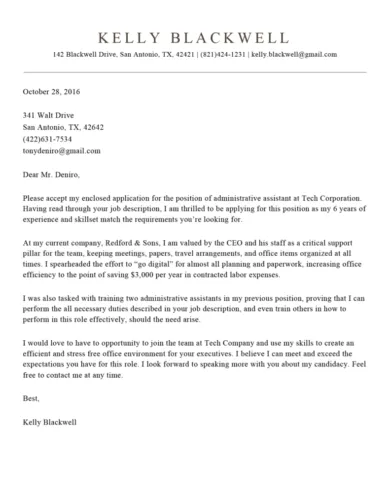
Cover Letter Basics Understand the Essentials
In the competitive world of job hunting, your cover letter is your first opportunity to impress. It provides a personal introduction, giving the hiring manager insights into your background and aspirations that your resume alone cannot. A well-crafted cover letter is essential for getting noticed and securing interviews. By understanding its purpose, the key components, and the nuances of crafting a compelling document, you can significantly enhance your chances of landing your dream job. This guide breaks down the essential elements, providing you with the knowledge and tools to create a standout cover letter.
Purpose of a Cover Letter
The primary purpose of a cover letter is to introduce you to a potential employer, highlight your suitability for a specific job, and showcase your enthusiasm. It allows you to elaborate on your skills, experiences, and achievements. Unlike a resume, which is a summary, a cover letter is a story about how your skills and experiences fit the role. Your cover letter should explain why you’re a perfect fit for this role and why you’re excited about the opportunity. It provides context, personalizes your application, and demonstrates your genuine interest in the specific position and the company. It should entice the hiring manager to want to know more.
Key Components of a Cover Letter

A successful cover letter includes several critical components that work together to create a cohesive and compelling narrative. The first paragraph should immediately grab the reader’s attention while identifying the role you’re applying for. The body of the letter should highlight your relevant skills and experiences, demonstrating how you meet the job requirements. The closing paragraph should reiterate your interest and include a clear call to action. Addressing these components allows you to craft a cover letter that captures attention, showcases your value, and ultimately, secures an interview.
Researching the Company
Before you start writing, research the company to understand their mission, values, and culture. Visit their website, review their social media profiles, and read recent news articles about the organization. This research will help you tailor your cover letter to their specific needs and demonstrate your genuine interest. By understanding the company’s goals, recent projects, and achievements, you can articulate how your skills align with their objectives. This personalized approach shows you care about the company, thus increasing your chances of making a great first impression. This is essential to any good cover letter.
Tailoring Your Cover Letter
A generic cover letter is easily recognized and can be detrimental to your application. Tailor your cover letter to the specific job and company. Begin by carefully reviewing the job description and identifying the key skills and qualifications. Then, customize your letter to address these requirements directly, highlighting the experiences and achievements that demonstrate your ability to excel in the role. Explain why you’re a good fit for the role and the company’s mission, goals, and values. Tailoring your cover letter shows you’ve taken the time to understand the position and are genuinely interested, thus increasing your chances of success.
Writing a Compelling Opening

The opening paragraph is a crucial opportunity to grab the reader’s attention. It should immediately state the position you are applying for and explain where you found the job listing. Then, craft a concise statement that captures your key qualifications or expresses your enthusiasm for the role. Consider mentioning a specific project or accomplishment that’s relevant to the job description. By making a strong first impression, you encourage the hiring manager to keep reading and learn more about your value. A well-crafted opening paragraph is designed to show why you are a good fit.
Highlighting Your Skills and Experience
The body of your cover letter is where you showcase your skills and experiences. Select the most relevant qualifications from your resume and provide specific examples of how you’ve used them to achieve success. Using the STAR method (Situation, Task, Action, Result) is an effective way to describe your accomplishments. Focus on demonstrating your abilities rather than simply listing your skills. Use action verbs and quantify your achievements. This approach makes your cover letter engaging and demonstrates your value to the employer. Ensure your skills and experiences directly align with the job description and the company’s needs.
Quantifying Your Achievements
Quantify your achievements to offer concrete evidence of your impact. Use numbers, percentages, and specific data points to illustrate the effect of your work. For example, instead of stating you “improved customer satisfaction,” write, “Increased customer satisfaction scores by 15% within six months.” Quantifying your achievements makes your cover letter more compelling and demonstrates your value. Quantifiable achievements are more memorable and create a clear picture of your abilities, thus setting your cover letter apart. Use numbers to provide concrete proof of your impact and accomplishments.
Showcasing Relevant Experience

Focus on the experiences that directly relate to the job. Highlight any projects, internships, or roles that show your ability to excel in the position. Describe your responsibilities, the skills you utilized, and the results you achieved for each experience. Tailor your descriptions to align with the keywords and requirements in the job description. Focus on demonstrating your skills and making sure you show how your background is relevant to the role. Tailor your descriptions to align with the keywords and requirements mentioned in the job description to show how your experiences have prepared you.
Cover Letter Structure & Format
A well-structured and formatted cover letter creates a professional impression. Use a clear and concise format with logical headings and paragraphs, and follow standard formatting guidelines. A professional format makes it easier for the hiring manager to quickly understand your key qualifications and experiences. The structure should guide the reader through your skills and experience and show how your background relates to the job requirements. Consider the format to be the foundation to a great cover letter. Make sure that all information is organized and easy to find.
Formatting Best Practices
Follow standard formatting practices to ensure your cover letter is professional and easy to read. Use the business letter format, including your contact information, the date, the hiring manager’s name and title (if known), and the company’s address. Start with a clear opening, follow with the body of the letter, and end with a strong closing. Keep the letter to one page and use a professional font with appropriate margins. Proper formatting ensures your letter looks polished and creates a positive first impression, thus demonstrating your attention to detail.
Font and Font Size

Select a professional and readable font. Recommended fonts include Times New Roman, Arial, Calibri, or Helvetica. Keep the font size between 10 and 12 points. This ensures your letter is easy to read without being too large or small. Avoid ornate fonts that could be distracting. Ensure the font size is consistent. This conveys professionalism and attention to detail. Always proofread and review your formatting.
Margins and Spacing
Set margins to one inch on all sides. Use single spacing for the body of the letter and double spacing between paragraphs. This creates a visually appealing layout and ensures your letter is easy to read. Adequate margins and spacing make the letter less cluttered and easier for the hiring manager to focus on your content. Proper spacing is essential for overall readability. These details enhance the appearance of your letter and make it more professional. These details are key to making your cover letter presentable.
The Art of Closing a Cover Letter
The closing is your final chance to leave a lasting impression. It should reiterate your interest and include a call to action. Express your enthusiasm for the opportunity and thank the reader for their time and consideration. The closing should encourage the hiring manager to take the next step. End with a professional sign-off, such as “Sincerely” or “Best regards,” and include your name. The closing paragraph is the last opportunity to grab the employer’s attention. A strong closing can reinforce your professionalism.
Expressing Enthusiasm

Expressing enthusiasm for the position is critical in the closing paragraph. Use phrases like “I am excited about the opportunity” or “I am eager to learn more.” This shows genuine interest in the role and the company. Emphasize how your skills and experiences align with the company’s needs. Demonstrate your excitement and show that you have taken the time to learn about the company. Expressing enthusiasm makes a strong impression on the hiring manager, setting you apart from other candidates. Show that you are looking forward to the opportunity.
Call to Action
Include a clear call to action, which is a direct request for the hiring manager to take the next step, such as scheduling an interview. State your availability and express your eagerness to discuss your qualifications further. For example, you could write, “I am available for an interview at your earliest convenience.” The call to action gives the hiring manager an easy way to contact you. A call to action increases your chances of moving forward and demonstrating interest. A call to action ensures you are more likely to get the job.
Common Cover Letter Mistakes to Avoid
Avoid these common mistakes to make a positive impression. Attention to detail and avoiding pitfalls will make you a more competitive applicant. Errors can lead to immediate disqualification. Proofreading and tailoring your letter to the specific job is vital. Taking the time to avoid these mistakes will help you stand out.
Grammar and Spelling Errors

Grammar and spelling errors can undermine your credibility. Proofread your letter carefully before submitting it. Use grammar and spell-checking tools, but don’t rely on them entirely. Consider asking a friend to proofread it, too. A polished and error-free cover letter demonstrates attention to detail and commitment to professionalism. Make sure that your grammar and spelling are perfect.
Generic Cover Letters
Avoid generic cover letters. Tailor each letter to the specific job and company. Use the job description as a guide and highlight relevant skills and experiences. Research the company and demonstrate your understanding of their mission. Generic cover letters show a lack of effort. Customize your cover letter to create a strong impression.
Focusing on Yourself
Instead of focusing solely on yourself, focus on how you can contribute to the company and what you bring to the role. Use the cover letter to explain how your skills benefit the company. Frame your accomplishments in terms of what you can offer the employer. Always focus on the employer’s needs and your ability to meet them. Focus on the employer’s needs to demonstrate your value.
Cover Letter Templates & Examples

Use cover letter templates to provide a framework. Customize it to reflect your specific qualifications and the job. There are many cover letter templates available, which can provide structure and guidance. Remember to make your letter original and reflect your unique skills. Templates can be helpful as long as you make it your own.
Using Templates Effectively
When using a template, customize it to your individual needs. Tailor the content to reflect your skills and the job. Replace generic content with your own, specific examples. Personalizing the template creates a compelling letter that reflects your value. Proofread it carefully. Personalizing the template makes your letter unique.
Adapting Examples to Your Needs
Adapt examples to your circumstances. Replace generic phrases with specific examples. Customize the examples to align with the job description and company’s needs. By adapting the examples, you create a cover letter that highlights your qualifications and increases your chances of success. This will make the letter authentic.
Proofreading and Editing
Proofread and edit your cover letter carefully. Review your letter for any grammar, spelling, punctuation, and formatting errors. Consider asking a friend or career counselor to proofread it. A polished, error-free cover letter shows your attention to detail. Always proofread and edit.