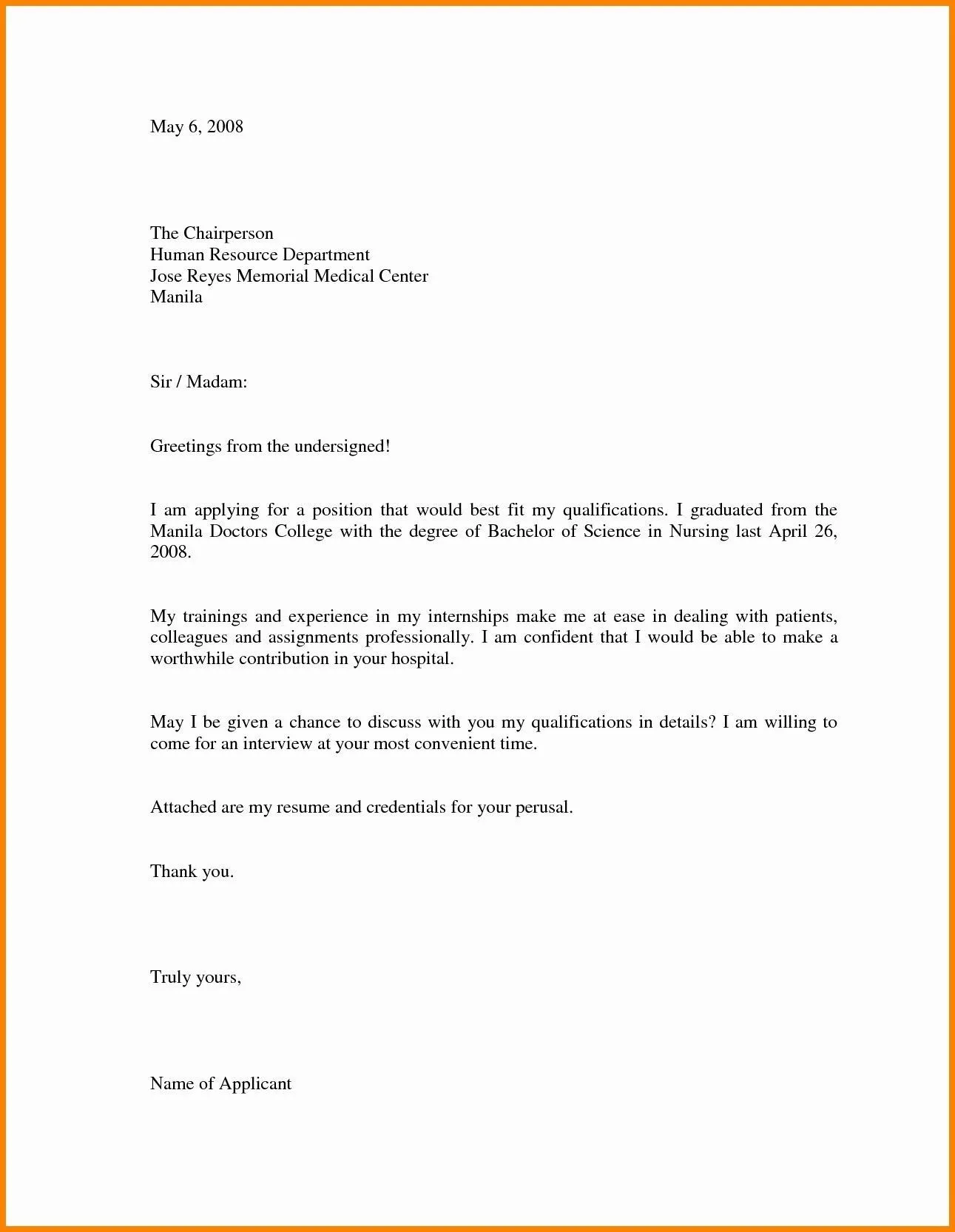
Crafting a Compelling Cover Letter
Your cover letter is your first opportunity to make a strong impression on a potential employer. It serves as an introduction to your skills, experience, and personality, and it should be crafted meticulously to capture the reader’s attention. A well-written cover letter is more than just a summary of your resume; it’s a narrative that showcases your suitability for the role and explains why you are the ideal candidate. Begin by researching the company and the specific job requirements. Customize your letter to demonstrate your understanding of their needs and how your qualifications align with their expectations. Avoid generic templates and instead, write a unique letter that reflects your genuine interest in the position and the company. Pay close attention to the structure, ensuring a clear and logical flow. Use a professional tone, and proofread carefully for any errors in grammar or spelling. Remember, this is your chance to shine; make sure your cover letter is compelling and leaves a lasting positive impact.
Highlighting Your Skills and Experience
A key aspect of a persuasive cover letter is the effective highlighting of your skills and experience. Instead of simply listing your past job duties, focus on demonstrating how your abilities align with the job’s specific requirements. Start by identifying the key skills and qualifications mentioned in the job description. Then, provide concise examples from your professional history that showcase your mastery of these skills. Use action verbs to describe your accomplishments and quantify your achievements whenever possible. For instance, instead of saying ‘Managed projects,’ write ‘Managed and successfully completed three projects, resulting in a 15% increase in efficiency.’ This level of detail not only illustrates your competence but also offers tangible evidence of your value. Remember to tailor your skills section to the specific role, emphasizing those aspects of your experience that are most relevant and beneficial to the employer. This targeted approach shows that you understand the job and are well-equipped to succeed.
Showcasing Your Achievements

While listing your skills and experience is important, highlighting your achievements takes your cover letter to the next level. Achievements demonstrate your ability to deliver results and make a positive impact. When showcasing your accomplishments, use the STAR method Situation, Task, Action, Result. Describe the specific situation you were in, the task you needed to complete, the actions you took, and the results you achieved. Quantify your achievements whenever possible using numbers and metrics. For example, ‘Increased sales by 20% in Q4 through targeted marketing campaigns.’ This provides concrete evidence of your contributions and shows potential employers the value you can bring to their organization. Make sure your achievements are relevant to the job you are applying for and align with the company’s goals. By emphasizing what you have accomplished in past roles, you prove that you are a high-performing candidate capable of delivering similar results in your new position.
Tailoring Your Letter to the Job
Generic cover letters are easily recognized and often disregarded by hiring managers. To significantly increase your chances of landing an interview, you must tailor your cover letter to each specific job application. Start by carefully reviewing the job description, identifying the key requirements, and understanding the company’s values and culture. Then, customize your cover letter to reflect your understanding of their needs and how your skills and experience align with their expectations. Research the company’s website, social media profiles, and recent news articles to gain a deeper understanding of their current projects and goals. Use the company’s language and terminology to demonstrate that you have done your homework and are genuinely interested in the position. Highlight the aspects of your experience that are most relevant to the role and explain why you are the best fit for the job. This personalized approach shows that you are not just sending out mass applications but are truly interested in the opportunity and have taken the time to consider how you can contribute to the company’s success. A tailored cover letter significantly increases your chances of getting noticed and securing an interview.
Requesting an Interview
The primary goal of your cover letter is to secure an interview. Therefore, it’s crucial to include a clear and direct request for an interview. In your concluding paragraph, express your interest in discussing your qualifications further and reiterate your enthusiasm for the opportunity. You can state, ‘I am eager to learn more about this opportunity and discuss how my skills and experience align with the company’s goals. I am available for an interview at your earliest convenience.’ Or, ‘Thank you for considering my application. I am enthusiastic about the possibility of contributing to [Company Name] and would welcome the opportunity to discuss my qualifications in an interview.’ Always provide your contact information, including your phone number and email address, to make it easy for the hiring manager to reach you. A clear, confident request for an interview demonstrates your proactive approach and eagerness to move forward in the hiring process. Make sure your tone is professional and enthusiastic, leaving a positive lasting impression that encourages the hiring manager to contact you.
Why Asking for an Interview Matters

Explicitly asking for an interview in your cover letter is a strategic move that serves several important purposes. Firstly, it demonstrates your proactive approach and genuine interest in the position. By clearly stating your desire to discuss your qualifications further, you signal to the hiring manager that you are serious about the opportunity and eager to move forward in the hiring process. Secondly, it provides a clear call to action, prompting the hiring manager to take the next step. Without a direct request, the hiring manager may simply file your application without considering the next steps. Thirdly, it highlights your confidence and enthusiasm for the role. Your request can be a decisive factor in a highly competitive job market. By including a compelling interview request, you increase your chances of being selected for an interview and ultimately landing the job. Make sure to align your request with the overall tone of your cover letter, maintaining professionalism and a positive, enthusiastic attitude.
Direct and Confident Language
The language you use in your cover letter should be direct and confident, especially when requesting an interview. Avoid using passive or hesitant language that can undermine your credibility. Instead of phrases like ‘I would like to request an interview,’ opt for more assertive statements such as ‘I am available for an interview at your earliest convenience’ or ‘I would welcome the opportunity to discuss my qualifications further.’ Use action verbs to convey your skills and experience, and quantify your achievements whenever possible. For example, ‘Managed projects’ becomes ‘Successfully managed five projects, resulting in a 10% increase in efficiency.’ This direct and confident language not only highlights your skills and experience but also demonstrates your professionalism and enthusiasm for the role. Remember, your cover letter is a reflection of your personality and professional approach. Using clear, assertive language helps you make a strong first impression and positions you as a confident, capable candidate.
Providing Contact Information
Ensuring that your contact information is easily accessible and prominently displayed is critical. Include your full name, phone number, and professional email address in your cover letter. Place this information at the top of the letter, typically below your name and above the date. This makes it easy for the hiring manager to contact you promptly. Double-check that your contact information is accurate and up-to-date. Avoid using unprofessional email addresses; instead, create a professional email address if you don’t already have one. Consider including a link to your LinkedIn profile to provide additional information about your professional background. By providing clear and accessible contact information, you show professionalism and make it easy for the hiring manager to reach out to schedule an interview. Make sure your voicemail is set up professionally and that you are prepared to respond quickly to any calls or emails from potential employers.
Proofreading and Formatting

Proofreading and formatting are crucial steps in crafting a successful cover letter. Errors in grammar, spelling, or formatting can undermine your credibility and make a negative impression on potential employers. Before submitting your cover letter, carefully proofread it multiple times. Use a spell checker and grammar checker, but don’t rely solely on these tools. Read your letter aloud to catch any awkward phrasing or sentence structure issues. Ask a friend or colleague to proofread your letter, as a fresh pair of eyes can often spot mistakes you might miss. Pay close attention to the formatting of your letter. Use a professional font such as Arial or Times New Roman, and ensure that your paragraphs are well-structured and easy to read. Maintain consistent spacing throughout the letter. A well-formatted and error-free cover letter demonstrates attention to detail and professionalism, increasing your chances of getting noticed and securing an interview. Take the time to ensure your cover letter is polished and error-free before submitting your application.
Common Mistakes to Avoid
Several common mistakes can significantly decrease your chances of landing an interview. Avoid using generic templates, as these often appear insincere and do not show a genuine interest in the specific role or company. Make sure not to repeat information directly from your resume. Your cover letter should complement your resume, providing a narrative that expands on your qualifications. Avoid grammatical errors and spelling mistakes, which can damage your credibility and professionalism. Do not use jargon or overly complex language. Keep your letter concise and easy to understand. Avoid negativity and focus on your strengths and accomplishments. Do not include salary expectations unless specifically requested in the job description. Lastly, do not forget to proofread your cover letter carefully before submitting it. By avoiding these common pitfalls, you can significantly enhance the effectiveness of your cover letter and increase your chances of securing an interview and getting hired.